Can’t Get Rid of Yellow Stains on Pillows? Here’s How to Fix It!
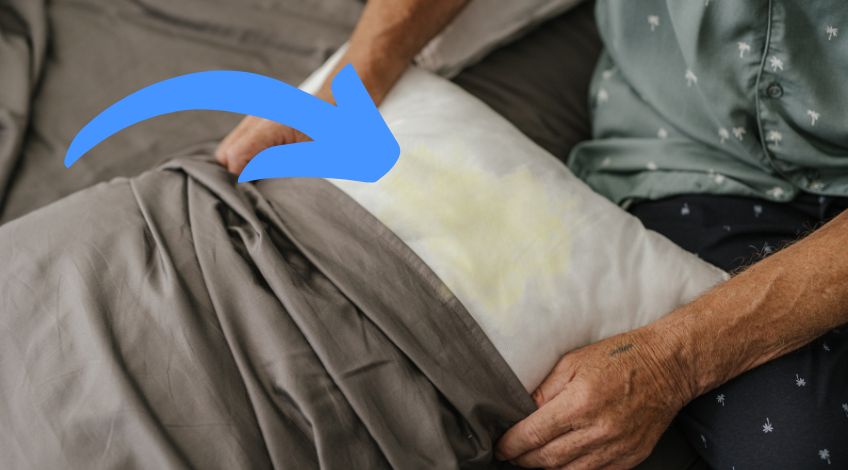
Yellow stains on pillows are an unpleasant but common problem. Even with regular washing of pillowcases, the inner pillow absorbs sweat, natural oils, and saliva over time, leading to unsightly discolouration.
If you’ve struggled to remove these stains, don’t worry! There are effective solutions to bring your pillows back to a fresher, cleaner state.
Why Do Pillows Turn Yellow?
Over time, pillows develop yellow stains due to the accumulation of sweat, body oils, and moisture.
Since we spend hours sleeping on our pillows each night, these substances gradually seep through pillowcases and into the fabric. Humidity and improper drying can also contribute to discolouration.
In addition, skin products, hair treatments, and certain detergents may leave behind residues that make stains worse.
The Best Ways to Remove Yellow Stains from Pillows
If your pillows have already turned yellow, there are several methods to restore their whiteness. The right approach depends on the type of pillow filling and fabric.
Feather and down pillows respond well to gentle washing with mild detergent, while synthetic pillows can handle deeper cleaning. Memory foam pillows should never be submerged in water but can be spot cleaned with a mild solution.
Important note: Always check the care label to ensure you’re using the right approach for your specific pillow type.
1. Deep Cleaning with a Stain Removal Solution
For a powerful stain removing soak, follow these steps:
- Fill a large basin or washing machine with hot water.
- Add half a cup of bicarbonate of soda, one cup of white vinegar, and a small amount of mild detergent.
- Let the pillows soak for at least 30 minutes before washing them on a gentle cycle.
- Rinse thoroughly to remove any detergent residue.
2. Brightening with Hydrogen Peroxide
Hydrogen peroxide is a natural bleaching agent that helps lift yellow stains:
- Mix one part hydrogen peroxide with two parts water.
- Apply the solution to stained areas and let it sit for 15-20 minutes.
- Wash the pillow as usual, ensuring a thorough rinse cycle.
3. Using Enzyme Based Laundry Detergent
Enzyme based detergents break down organic stains effectively:
- Apply a small amount of enzyme cleaner directly to stains and let it sit for 10 – 15 minutes.
- Wash the pillow in warm water with an enzyme detergent for a deep clean.
4. Sun Drying for Natural Whitening
Sunlight acts as a natural bleaching agent and helps kill bacteria:
- After washing, place pillows outside in direct sunlight.
- Flip them occasionally to ensure even drying.
- Avoid humid conditions to prevent mildew growth.
How to Prevent Yellow Stains on Pillows
While stains are difficult to avoid entirely, there are several ways to slow their appearance and keep pillows fresher for longer.
1. Use a Pillow Protector
A high quality, waterproof pillow protector acts as a barrier against sweat and moisture. These covers are machine washable and help extend the life of your pillows by preventing stains from seeping through.
Opt for breathable, hypoallergenic protectors to keep your pillow fresh and comfortable while also reducing allergen buildup.
Washing the protector every two weeks helps maintain hygiene.
2. Wash Pillowcases Frequently
Pillowcases absorb sweat, oils, and skincare products, making them the first line of defence against stains.
Wash pillowcases at least once a week in hot water to remove any buildup. Choosing breathable, natural fabrics like cotton or bamboo can also help minimise sweat absorption, reducing the risk of yellowing over time.
3. Keep Hair and Skin Clean Before Bed
Showering before bed removes sweat, oils, and hair products that can transfer onto pillows. If washing your hair daily isn’t ideal, consider tying it up to reduce contact with the pillowcase.
Using lightweight, oil free skincare products before bed can also help prevent residue from soaking into the pillow.
4. Ensure Proper Drying
Moisture trapped inside a pillow can lead to yellow stains and unpleasant odours. Always ensure pillows are fully dry before placing them back on the bed.
Air drying in direct sunlight can help kill bacteria and naturally whiten fabric, while tumble drying with dryer balls helps maintain the pillow’s shape and ensures even drying.
If using a tumble dryer, check the heat settings to avoid damaging delicate fillings like down or memory foam.
When to Replace Your Pillows
Even with proper care, pillows should be replaced every 18 to 24 months. Over time, they lose support, accumulate allergens, and develop stains that become harder to remove.
Signs that it’s time for a new pillow include persistent yellow stains, loss of shape, unpleasant odours, and increased allergy symptoms.
When choosing a replacement, consider your sleeping position. Side sleepers benefit from firm pillows, back sleepers need medium-firm support, and stomach sleepers require a soft, thin pillow.
Hypoallergenic options, such as memory foam or latex, are great for those prone to allergies.
Help Others Get Their Pillows Looking Fresh Again!
Pillows turn yellow over time, but these easy cleaning methods will make them look brand new again. Share these tips on social media so others can refresh their pillows effortlessly!
SEE ALSO: Can You Put A Pillow In The Washing Machine?
Also, follow us on Pinterest ...