Grandma Was Right! This Easy Trick Keeps Silver Looking Brand New
Are you tired of your treasured silver pieces looking dull and tarnished? Whether you’ve inherited precious family heirlooms or invested in quality silverware yourself, there’s nothing more disappointing than watching these beautiful items lose their lustre. But before you reach for expensive chemical polishes, I’ve got brilliant news for you. Grandma’s old fashioned method really does work wonders!
For vintage lovers cherishing family silver, minimalists maintaining quality possessions, and cleaning enthusiasts seeking effective traditional methods, this simple technique will transform your tarnished treasures back to their original brilliance using just a few common pantry ingredients.
The Secret Pantry Solution That Transforms Tarnished Silver
The cleaning method your grandmother likely swore by isn’t just nostalgic folklore. It’s backed by actual science! This technique creates a chemical reaction that gently pulls tarnish away from your silver without harsh scrubbing or damaging chemicals.
Here’s what you’ll need:
- Aluminium foil
- 2 tablespoons bicarbonate of soda
- 2 tablespoons salt
- Hot, almost boiling water
- Plastic or glass container
- Soft cloth or lint free tea towel
How To Clean Silver With Simple Kitchen Ingredients
Prepare Your Container
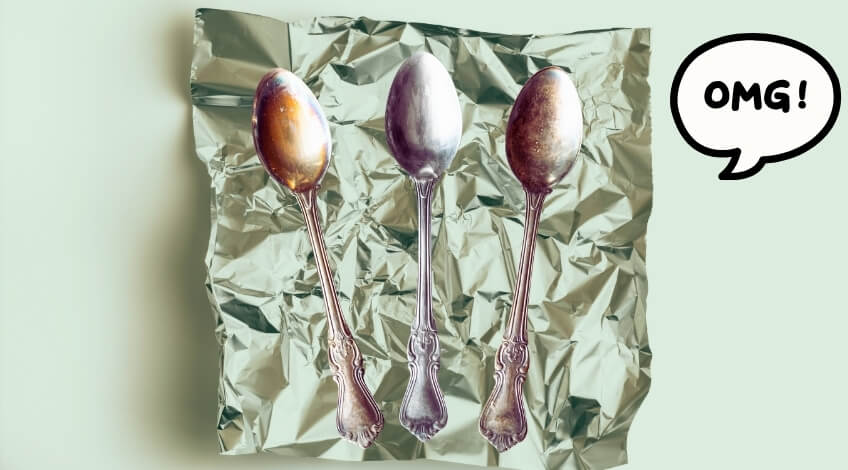
Choose a plastic or glass container large enough to accommodate your silver pieces. Line the bottom with aluminium foil, making sure the shiny side faces upward. This isn’t just for show. The foil is actually a crucial part of the chemical reaction!
Perfect for minimalists who appreciate multi purpose household items, this method repurposes everyday kitchen supplies rather than requiring special products.
Create The Cleaning Mixture
Sprinkle the bicarbonate of soda and salt evenly across the foil lined bottom of your container. Gently shake to distribute the powders uniformly.
Add Your Silver
Place your tarnished silverware or silver items carefully into the container, ensuring each piece makes direct contact with the aluminium foil. This contact is essential for the cleaning reaction to work properly.
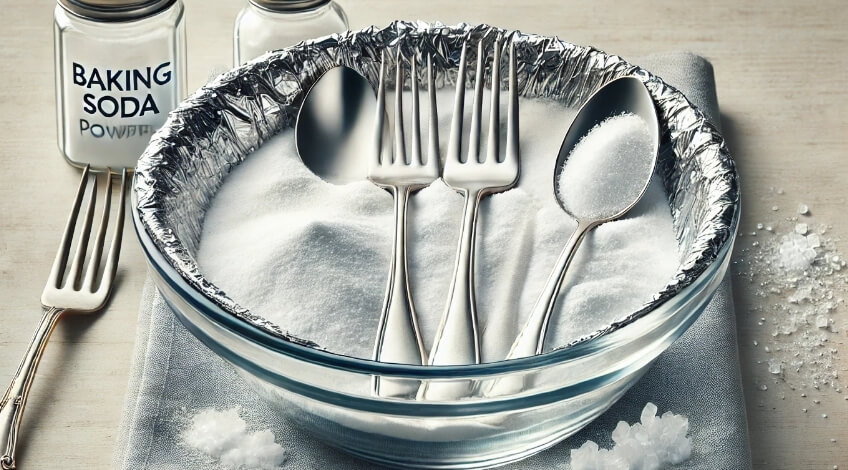
Vintage lovers will appreciate how this gentle method preserves the character and patina of antique pieces while removing unsightly tarnish.
Trigger The Cleaning Reaction
Pour hot water (almost boiling, but not quite) over the silverware until all pieces are completely submerged. You’ll immediately notice the water starting to foam up. That’s the reaction beginning to work!
What’s happening is quite fascinating: a chemical reaction between the foil, bicarbonate of soda, salt and hot water binds the silver sulfide (the tarnish) from your silver items onto the foil. You might notice the foil darkening as it collects the transferred tarnish.
Let Science Do The Work
Allow your silver to soak for 1 to 2 minutes for light tarnish, or up to 5 minutes for heavily tarnished pieces. The beauty of this method is that it’s doing the work for you. No scrubbing required!
Cleaning enthusiasts will love watching this reaction work before their eyes. It’s like a science experiment with impressive results!
Finish The Process
Remove your silverware from the solution, wash thoroughly with warm, soapy water, and dry completely with a soft cloth. If some stubborn tarnish remains, simply repeat the process with fresh materials.
How To Clean Large Silver Items Effectively
Got a tarnished silver teapot or decorative bowl? No problem!
The same method works brilliantly for larger pieces too. Simply increase the quantities of bicarbonate of soda and salt (keeping them equal) to around 1/2 cup each when using a deeper container or non stainless steel sink.
Important note for those with stainless steel sinks: avoid using them for this process, as the different metals can react with each other and potentially cause spotting.
4 Powerful Ingredients To Supercharge Your Silver Cleaning
While the basic method works brilliantly, here are some additional ingredients you can incorporate for extra cleaning power:
Vinegar Boost For Stubborn Tarnish
For particularly stubborn tarnish, add 1/2 cup of distilled white vinegar to the mixture before pouring in the hot water. The acidic properties of vinegar enhance the cleaning reaction, making short work of even the most persistent tarnish.
Laundry Detergent Alternative When You’re Out Of Supplies
Run out of salt or bicarbonate of soda? A tablespoon of laundry detergent drizzled over the aluminium foil before adding your silverware and hot water can work as an effective alternative.
Toothpaste Touch Up For Quick Fixes
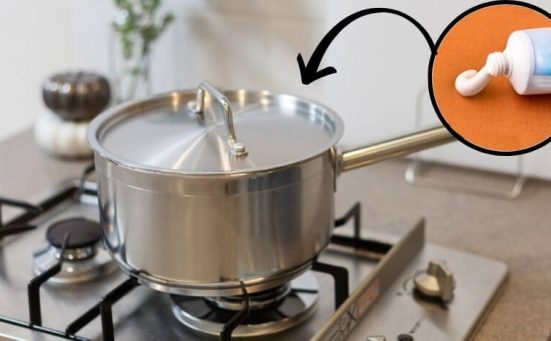
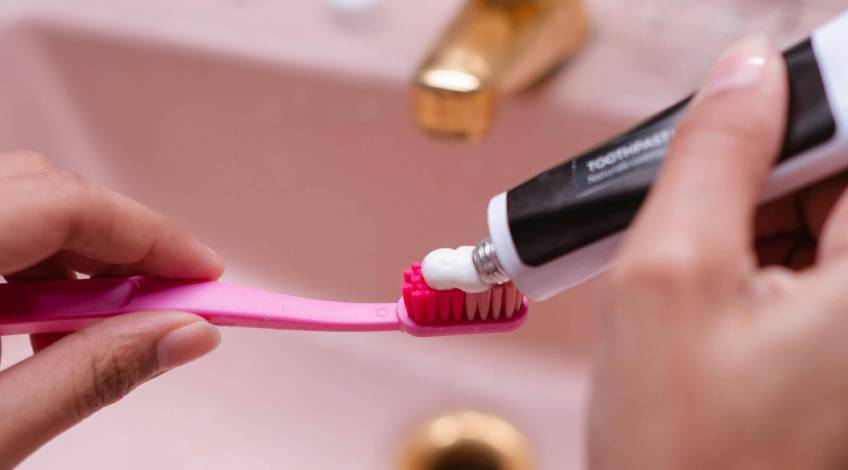
For smaller silver pieces or targeted spot cleaning, apply a small amount of regular white toothpaste using a soft cloth. Gently buff in circular motions, then rinse thoroughly with warm water and dry completely.
Lemon Juice For Stubborn Water Spots
Fresh lemon juice applied with a soft cloth can be particularly effective for removing water spots or light tarnish. The natural acids in lemon gently dissolve spots while leaving a lovely fresh scent.
7 Essential Silver Care Tips Everyone Should Know
Keeping your silver in pristine condition isn’t just about cleaning it when it becomes tarnished. These everyday care habits will extend the time between deep cleanings and help maintain your silver’s beauty for years to come:
Never Use The Dishwasher
Never put sterling silver in the dishwasher! The harsh detergents and high temperatures can damage your precious pieces. Instead, hand wash with mild washing up liquid and warm water using a soft sponge, then dry immediately and thoroughly with a microfibre cloth.
Beware Of These Tarnish Causing Foods
Certain foods like eggs, onions, and mustard contain sulfur compounds that accelerate tarnishing. When using silver for these foods, rinse or wipe the silver promptly after use to prevent rapid tarnishing.
Materials That Speed Up Tarnishing
Keep your silver away from materials that speed up tarnishing like wool, rubber, felt, and latex. These substances contain compounds that react with silver and cause it to darken more quickly.
Wash Immediately After Use
The simplest habit for maintaining silver is to wash it promptly after use. A quick rinse in warm water followed by thorough drying can prevent many tarnish problems before they start.
Buff Regularly With A Soft Cloth
Even when not in use, a gentle buffing with a clean, soft cloth once a month can help maintain shine and remove fingerprints that might lead to tarnish.
Handle With Clean Hands
The oils and acids in our skin can affect silver over time. Try to handle your silver with clean hands, especially when storing it away for longer periods.
Use Gloves For Deep Cleaning
When doing more intensive cleaning or polishing, consider wearing cotton gloves to prevent fingerprints and skin oils from transferring to your freshly cleaned silver.
How To Store Silver Properly To Prevent Tarnish
Proper storage is just as important as cleaning when it comes to keeping your silver looking its best. Ideally, store sterling silver in a lined chest specifically designed for silverware. These chests typically have anti tarnish linings that help keep air (and therefore oxidation) away from your silver.
For minimalists seeking streamlined storage solutions, consider silver storage rolls or bags with anti tarnish properties as a space saving alternative to traditional chests.
Vintage enthusiasts might prefer classic wooden chests, which not only store silver beautifully but also serve as decorative pieces themselves.
A clever trick from cleaning enthusiasts: add a small piece of white chalk to your silver storage chest or drawer to help absorb moisture that can cause tarnishing. This simple addition significantly extends the time between polishings!
When To Polish Versus When To Deep Clean
While the foil method is excellent for removing tarnish, traditional polishing serves a different purpose. Polishing should be done sparingly, only once or twice a year, as it removes a microscopic layer of silver each time.
For regular maintenance between deep cleanings, simply washing and thoroughly drying your silver after use is usually sufficient to keep it looking lovely.
Why Traditional Cleaning Methods Still Work Best Today
In our modern world of disposable goods and instant solutions, there’s profound satisfaction in rediscovering the effectiveness of traditional cleaning methods like this one. Your grandmother knew what she was talking about all along! These time tested techniques often prove not only more economical but also more environmentally friendly and gentler on precious items.
For vintage lovers, these methods maintain the authentic character of antique pieces. For minimalists, they eliminate the need for multiple specialty products. And for cleaning enthusiasts, they provide the satisfaction of seeing dramatic results using simple ingredients.
Next time your silver starts looking dull, skip the expensive commercial cleaners and head to your pantry instead. Your grandmother would be proud!
Try it today and see the difference for yourself. Then hit that share button and let your friends in on the secret! Because let’s be honest, Grandma always knew best.
SEE ALSO: The “End Of Day” Kitchen Reset That Keeps Your Home Looking Spotless
Also, follow us on Pinterest ...