Here’s What to Do If Pantry Pests Are Taking Over Your Kitchen
We all strive to keep our homes clean and tidy. In fact cleaning our homes can take up much of our free time. But did you know that insects and other pests don’t care whether your home is tidy or not.
All they’re interested in is finding decent food and somewhere safe to live. If that happens to be your pantry or food cupboard, so be it. Obviously that’s not an ideal situation for you, the homeowner, which is where this article comes in.
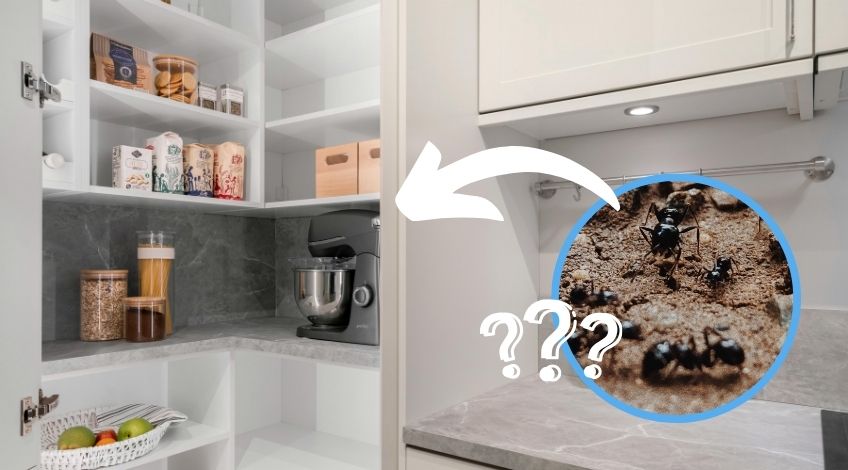
If you have seen evidence of pests in your pantry, keep reading, because in this article we’ll be taking a close look at pantry pests and advising you on the best ways to eliminate them.
Know Your Enemy (Common Pantry Pests)
In order to eliminate pantry pests effectively, you need to identify exactly what you’re dealing with. In this section we’ll look at the most common pests that are generally found in food cupboards and pantries.
We generally don’t disturb the contents of our food cupboards or pantries too often. This makes them ideal spaces for pests to invade. Once you start to spot any form of insect life in your cupboards, the chances are there’s already an infestation.
The most common pantry pests include;
- Ants
- Moths
- Weevils
- Flour Mites
- Fruit Flies
- Biscuit Beetles
- Rodents
They often leave tell tale signs like droppings or even a few small insects moving around the countertop or floor in your kitchen. Sometimes they can be seen close to a window or even in the pantry or food cupboard itself.
When you reach for your cereal packet in the morning, have a quick look around the corners, floors, walls and shelves of your food cupboard and see if anything moves. If it does, you might have an infestation.
How To Eliminate Pantry Pests

It can take a considerable amount of time and patience to completely eliminate any unwanted pests in your food cupboards. But there are a few tried and tested ways to do it. Which include;
Removing & Discarding Infected Food & Open Packages
The first place to check is at the back of the cupboard in those old packets as these will be the most vulnerable to infestation. Pests tend to go for rice, cereals, flour and other grain based products so start with these.
If you find any food in your pantry that’s infested with any form of pest, dispose of it immediately and throw any open or unsealed packages that are in the same cupboard. Even if the other open packets show no signs of insect infestation, they will probably already contain eggs from the insects in the other packages.
Empty The Cupboard & Vacuum Thoroughly
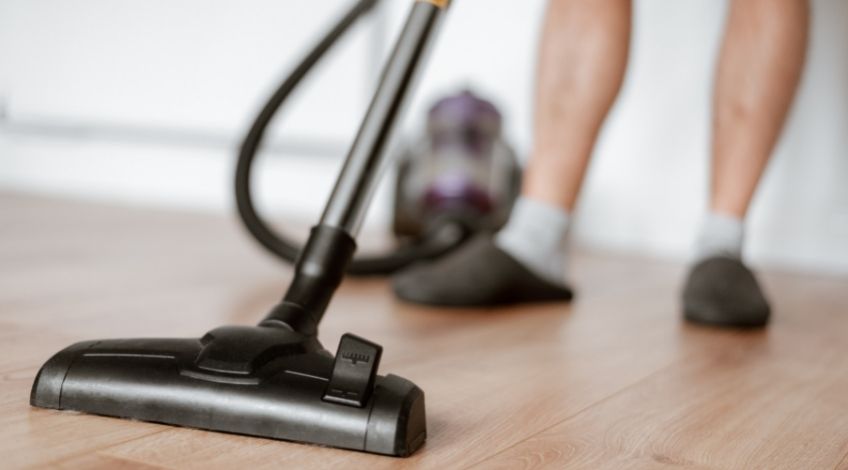
Pests can survive on any foods that have been spilled in the cupboard, no matter how small. Which means that by eliminating any crumbs or spills, you limit their food supply.
Once the cupboard is empty, use the hose attachment on your vacuum to thoroughly clean all of the nooks and crannies of your food cupboard. Remove all visible signs of food and any insects that might be present.
This should be enough to literally starve these pantry pests out of your cupboards.
Get Rid Of Pantry Pest Eggs
Once the cupboard is completely empty and free from any crumbs, spills or visible insects you might think you’ve done enough. But they could have already laid their eggs. Which means in a few days time you’ll be facing the same problem again.
It’s time to bring out the big guns, mix equal parts water and white vinegar in a spray bottle and completely cover all parts of the cupboard. Pay particular attention to corners, cracks, crevices and don’t forget the floor.
Remove Any Rubbish Straight Away
Tie any bags securely that contain the infected foods that you’ve thrown out and get them out of your house immediately. Leaving the bags in your home can allow the insects to escape and reinfest your pantry.
Clean Old Containers Properly Before Returning Them To The Pantry
Any old containers that you’re planning on returning to your pantry need to be thoroughly cleaned beforehand. This will help prevent any pests lurking on these containers from reinfecting the now clean cupboard.
Use Traps
An effective way to remove pantry pests is to lay traps. There are a wide range of pantry pest traps available including traps designed for weevils, beetles and moths. They can be purchased from garden centres, hardware stores or online.
You can also use homemade traps using items that you probably already own.The easiest and yet quite effective pantry pest trap can be made using an old jar and a mixture of sugar and water. All you do is pour a solution of sugar and water into the jar and place the jar in your pantry.
The pests will be attracted to the sweetness and get trapped in the jar. By using a combination of homemade and shop bought pantry pest traps you can reduce the number of pests in your pantry considerably.
If you get into the habit of removing everything from your pantry every 2 to 4 weeks and thoroughly cleaning the whole area finishing off with a vinegar wipe down, you should ensure that your foods are safe and insect free.
Store Dry Foods In Airtight Containers
Dry foods tend to come in paper or cardboard containers which are easy for insects to penetrate. As soon as you get your dry goods home, empty the contents into a glass, plastic or metal container with an airtight sealed lid.
It is possible that some foods come with insect infestation or at least insect eggs. Using airtight containers prevent the spread of pantry pests from one product to another and contain any infected foods to one space.
Where Do Pantry Pests Come From?
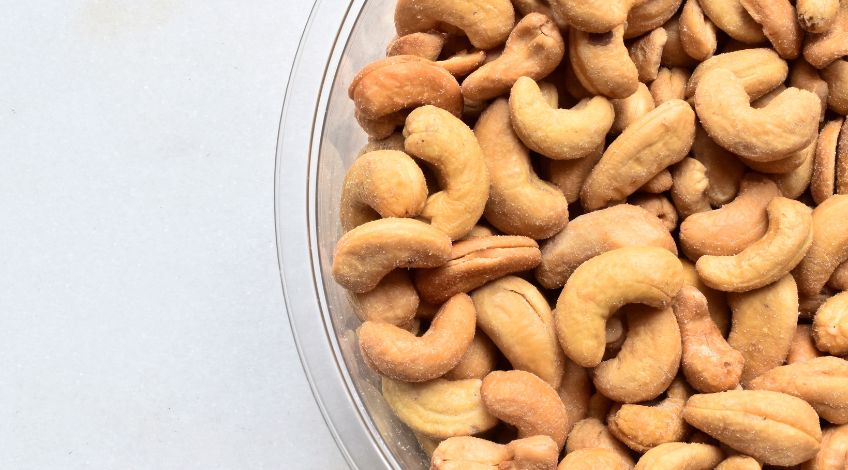
As we just said, pantry pests often arrive in our homes in the dry products that we buy. This can be in the fully grown insect stage or as eggs. We are effectively smuggling pantry pests into our own pantries.
Pantry pests are not only found in dirty homes, it doesn’t matter if you have the cleanest home in town, once they’re in, they will breed. Pantry pests are attracted to a wide range of products like;
- Flour
- Rice
- Cereals
- Grains
- Dried Processed Foods
- Dried Fruit
- Spices
- Nuts
And as if that wasn’t bad enough, they will also eat any dry foods at room temperature. Plus while it’s more convenient for them to get into open packets, they will chew their way into closed ones too. Which is why all dried goods should be stored in glass containers with airtight lids.
Can You Prevent Pantry Pests From Infesting Your Pantry?
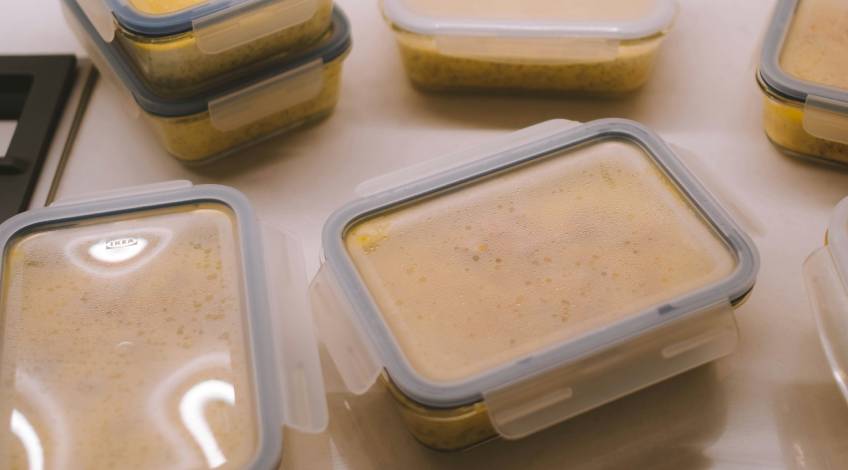
As with most things in life, prevention is better than cure. Which means that you need to do the following;
- Don’t Buy Large Quantities
Don’t bulk buy dried goods. Just buy enough for a few days or weeks. By using these foods up quickly you reduce the chances of pests invading. - Check The Use By Date
Once dried foods go past their use by date, they start to decompose which attracts pests. - Never Mix Old & New Dry Foods
You should completely use up old products before pouring more into the container unless you’re absolutely sure there are no pests present. - Keep Foods In Airtight Containers
Storing dry foods in airtight sealed containers helps to prevent any pests from getting into the foods. Foods like flour can be stored in the freezer to prevent any insect growth in the bag or tipped into an airtight container. - Regularly Clean The Cupboard
You need to remove all of the contents of your pantry and thoroughly clean the whole area on a regular basis. Don’t forget to wipe over containers and packets as well as all of the cracks and crevices of your pantry. - Use Bay Leaves As A Deterrent
Bay leaves are a great pantry pest deterrent due to their pungent aroma. You can strategically place a few bay leaves around the pantry as well as on countertops and shelves to deter pantry pests. - Seal Any Possible Entry Points
Using caulk or another pest proof sealer be sure to seal any possible entry points to prevent unwanted visitors from getting into your home.
Can Pantry Pests Make You Sick?
In most cases, pantry pests like moths, weevils, and beetles aren’t directly harmful to humans. They don’t bite, sting, or spread diseases in the way other pests (like cockroaches or rodents) might. However, that doesn’t mean they’re harmless.
Many pantry pests leave behind waste, shed skins, webbing, and even dead insects in the food they infest. Eating contaminated food, even unknowingly, can lead to;
- Gastrointestinal issues, such as mild nausea, vomiting, or diarrhea
- Allergic reactions, especially in sensitive individuals
- Contaminated kitchen surfaces, which could transfer bacteria from other sources
Plus, some pests may carry mould spores or other allergens that can compromise air quality or food safety over time. If you suspect food has been infested, it’s best to throw it away rather than risk illness.
Is It Safe to Eat Food With Pantry Moths?

Technically, ingesting food with pantry moth larvae or eggs probably won’t cause serious harm, many people have eaten them without even realising it. However, that doesn’t make it a good idea.
Pantry moths (also known as Indian meal moths) lay eggs in dry foods, and the larvae feed on the contents. As they grow, they produce silky webbing and waste, which contaminates everything around them. This not only affects the food’s taste, texture, and smell but can also cause digestive discomfort if eaten.
Even if the food looks okay, invisible eggs could be present. Heating or freezing the product might kill any pests, but it won’t remove waste or change the fact that the food was contaminated.
The safest choice is always to discard infested food and thoroughly clean the storage area before restocking it.
Keep Your Pantry Pest Free For Good
Pantry pests might be small, but the impact they have on your food and peace of mind can be huge. By staying vigilant, keeping your pantry clean, and storing dry goods in airtight containers, you can drastically reduce the risk of an infestation.
Remember, prevention is always better and easier than cure and regular inspections, smart storage habits, and a proactive cleaning routine are your best defences. With a little effort and consistency, you can keep your kitchen safe, clean, and completely pest free.
SEE ALSO: Still Hanging Onto These 15 Kitchen Items? Here’s Why That’s a Huge Mistake
Frequently Asked Questions
Look for signs like small insects crawling in or around food packages, fine webbing, droppings, holes in packaging, or a musty smell. You might also see pests near windows or light sources.
Dry goods like flour, rice, cereals, grains, nuts, dried fruit, and spices are the most common targets for pantry pests. Pests are especially drawn to items stored in paper or cardboard packaging.
Yes, many pantry pests can chew through thin cardboard and even some types of plastic. That’s why airtight containers made of glass, hard plastic, or metal are the best storage option.
Also, follow us on Pinterest ...