Hidden Carbs That Could Spike Your Blood Sugar On Keto
The ketogenic (keto) diet has become an increasingly popular and effective way to lose weight, manage blood sugar levels, and boost overall health. By drastically reducing carbohydrate intake and replacing it with healthy fats, the body enters a metabolic state known as ketosis, where it burns fat for energy instead of glucose.
However, achieving and maintaining ketosis requires strict carb control, and hidden carbs lurking in seemingly keto friendly foods can throw you off track. Many keto dieters unknowingly consume foods that contain hidden sugars and starches, which can lead to unexpected blood sugar spikes and stall progress.
Whether you’re new to keto or a seasoned pro, it’s crucial to be aware of these deceptive ingredients. In this article, we’ll uncover the most common sources of hidden carbs, how they impact your blood sugar, and what you can do to stay on track.
Common Hidden Carbs That Could Kick You Out Of Ketosis

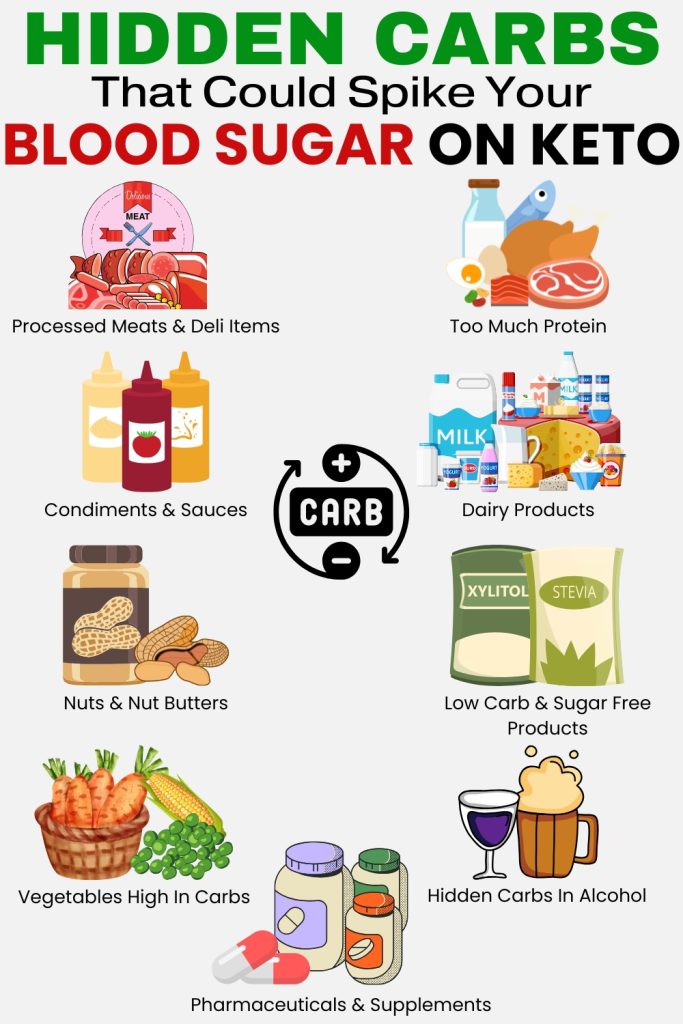
There are several common foods that contain hidden carbs which could affect your metabolic state. They include;
Processed Meats & Deli Items
Many people think that meats are carb free, but processed meats like sausages, ham, and bacon often contain hidden sugars, fillers, or starches. Brands might add dextrose, maltodextrin, or breadcrumbs to enhance flavour and texture, increasing the carbohydrate content.
For example, some supermarket sausages contain up to 4 to 6 grams of carbs per serving. Always check ingredient labels and opt for high quality, minimally processed meats with no added sugars or starches.
Too Much Protein
If you consume too much protein rich meat, the body can turn some of that protein into glucose which will knock you out of ketosis. Limit your protein to around 20 to 30% of your daily food intake. Also be careful with organ meat, particularly liver.
An animal’s liver is where glucose is stored, so it stands to reason that some of that glucose can get into your bloodstream if you consume large amounts of liver. Having said that, liver is a great source of iron, riboflavin, vitamin B12, vitamin A, and copper. So eat in small amounts to remain in ketosis.
Condiments & Sauces
Ketchup, barbecue sauce, salad dressings, and even some mayonnaise brands contain added sugars or corn syrup. For example, a single tablespoon of ketchup can contain up to 4 grams of sugar!
Even “sugar free” versions could contain maltodextrin or hidden carbs that impact blood sugar levels. Opt for homemade versions or look for keto friendly alternatives with no added sugars.
Dairy Products
While cheese, butter, and cream are keto staples, not all dairy products are low in carbs. Flavoured yoghurts, milk, and even some heavy creams can contain hidden sugars or lactose, which can raise blood sugar levels.
Whole milk contains around 12 grams of carbs per cup, while unsweetened almond milk has only 1 to 2 grams. Stick to full fat, unsweetened dairy products, and always check the carb content per serving.
Nuts & Nut Butters
Nuts are a great source of healthy fats, but some varieties, like cashews and pistachios, contain more carbs than you might expect. Cashews have around 9 grams of net carbs per 28g serving, while macadamia nuts contain just 2 grams.
Plus, many nut butters, especially peanut butter, can include added sugars, honey, or syrups. Opt for lower carb nuts like almonds, macadamias, and walnuts, and always choose natural, sugar free nut butters.
Low Carb & Sugar Free Products
Many so called “low carb” or “sugar free” products contain artificial sweeteners like maltitol, which has a high glycaemic index and can spike blood sugar levels. Sugar alcohols such as sorbitol and xylitol also impact blood glucose differently for each person.
Those artificial sweeteners that do have a low glycaemic index can cause the brain to think the body has too much sugar due to their sweet taste. Many artificial sweeteners are way sweeter than sugar so the brain thinks large amounts of calories are coming. This can lead to strong sugar cravings which is also not helpful when trying to remain in ketosis.
Some sugar free chocolates contain up to 15 grams of maltitol per serving, which can be problematic for ketosis. The best approach is to consume whole, unprocessed foods and limit packaged “keto friendly” products unless you are certain they won’t affect your ketosis.
Vegetables High In Carbs
Not all vegetables are keto friendly. Starchy vegetables such as carrots, sweetcorn, peas, and butternut squash contain more carbohydrates than leafy greens or cruciferous vegetables like broccoli and cauliflower.
For example, carrots contain around 9 grams of net carbs per cup, while spinach contains only 1 gram. Pay attention to portion sizes and prioritise low carb vegetables like spinach, courgettes, and mushrooms.
Hidden Carbs In Alcohol
Many alcoholic drinks contain hidden sugars and carbs that can disrupt ketosis. Beer and sweet wines are particularly high in carbohydrates, with a pint of beer containing around 13 grams of carbs.
Even spirits mixed with diet mixers can contain residual sugars. Stick to dry wines, pure spirits (vodka, gin, whisky) in moderation, and avoid flavoured alcohols or sugary cocktails.
Pharmaceuticals & Supplements
Certain medications, vitamins, and protein powders contain hidden carbohydrates in the form of fillers, coatings, or sweeteners. Some protein powders can contain up to 5 to 10 grams of carbs per scoop.
Always check labels for ingredients like maltodextrin, sucrose, or glucose syrup, and opt for keto friendly supplements whenever possible.
How To Avoid Hidden Carbs
Let’s take a brief look at how to stay away from those hidden carbohydrates;
- Read Labels Carefully
Hidden carbs can often be found in the ingredients list under names like dextrose, maltodextrin, or modified starch. Always check the nutritional label and total carbohydrate count per serving. - Stick To Whole Foods
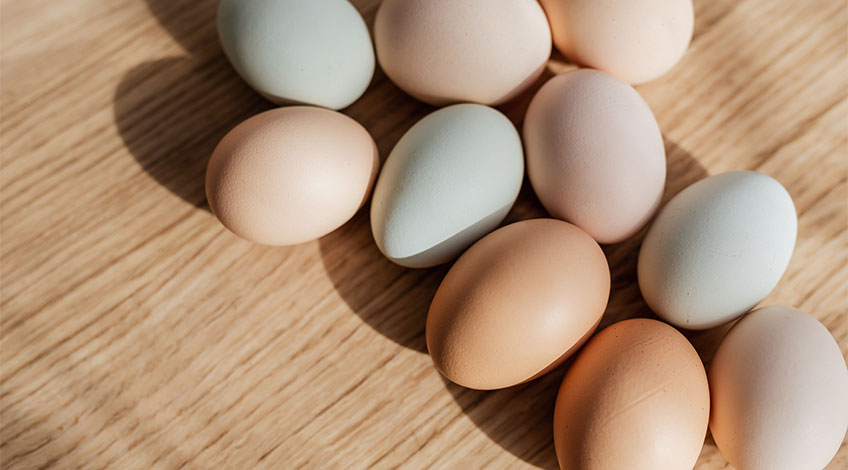
The best way to avoid hidden carbs is to base your diet around whole, unprocessed foods like meat, fish, eggs, dairy, nuts, and low carb vegetables. - Plan Your Meals
Meal prepping ensures that you know exactly what you’re eating and helps you avoid hidden carbs in takeaway or convenience foods. - Test Your Blood Sugar Levels
If you suspect hidden carbs are affecting you, regularly testing your blood glucose or ketone levels can help identify problem foods.
In Conclusion
Maintaining ketosis requires more than just cutting out bread and pasta, it demands vigilance in spotting hidden carbs that could sabotage your efforts. By reading labels, choosing whole foods, and being aware of common sources of hidden sugars and starches, you can stay on track and keep your blood sugar levels stable.
Have you found any surprising sources of hidden carbs on keto? Share your experiences and tips in the comments below and spread the word by sharing this article on social media!
SEE ALSO: Keto Friendly Fruit – The Ones You Can Eat On Keto
Also, follow us on Pinterest ...