If You Own a Home, You NEED to Do These 11 Things Every Month!
Homeownership comes with ongoing responsibilities, but taking care of a few essential tasks each month can prevent costly repairs, improve energy efficiency, and keep your home safe.
Many small problems can escalate when left unchecked, so a little effort now will save you time and money in the long run.
Here are the crucial monthly home maintenance tasks every homeowner should complete.
1. Check for Damp and Condensation in Your Home

Damp and condensation are common problems, especially during colder months. Left untreated, they can lead to mould growth and damage walls, ceilings, and flooring.
Inspect corners of rooms, window sills, and behind furniture for signs of moisture. Open windows regularly for ventilation, use extractor fans in the kitchen and bathroom, and consider a dehumidifier if damp is persistent.
If condensation appears frequently on your windows, it may be worth checking insulation and ventilation systems to prevent future problems.
2. Keep Your Kitchen and Bathroom Mould Free
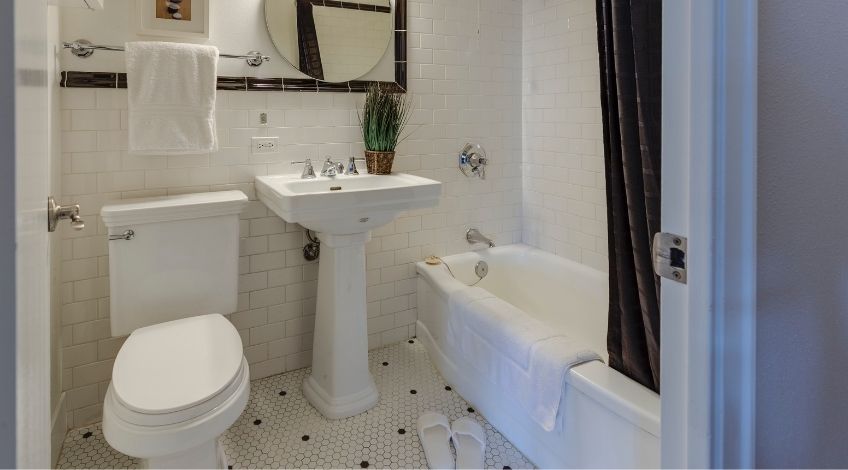
Bathrooms and kitchens are prone to mould due to high humidity. Wipe down surfaces, especially around sinks, showers, and window frames, to prevent mould from forming.
Use an anti-mould spray if needed and keep the area well ventilated. Regular cleaning keeps these spaces fresh and hygienic.
If you frequently struggle with humidity, using moisture absorbing products can help prevent persistent damp issues.
3. Clean Your Drains to Prevent Blockages
Slow draining sinks and showers are a sign of buildup in your pipes. Each month, pour boiling water down your drains followed by a mixture of baking soda and vinegar to break down grease and debris.
Avoid using chemical cleaners, as they can damage pipes over time. Keeping drains clear prevents costly plumbing issues. Regularly removing hair and food particles from plugholes can help reduce blockages.
4. Look for Signs of Pest Activity
Rodents and insects can find their way into homes, particularly in older properties. Each month, check for droppings, gnawed wires, or holes in skirting boards that could indicate an infestation. Keep food stored securely, block any entry points, and contact a pest control professional if needed.
Prevention is key to avoiding costly damage and health risks. Regularly cleaning behind appliances and in cupboards can help deter pests.
5. Clean and Maintain Your Boiler for Efficiency
Boilers play a crucial role in keeping homes warm, particularly in winter. Each month, check for any error codes on your boiler display, listen for unusual noises, and bleed your radiators if they’re not heating properly.
Keeping your heating system in good condition ensures it runs efficiently and prevents unexpected breakdowns. Schedule an annual service with a qualified heating engineer to keep it working safely.
Also, check the pressure gauge on your boiler, low pressure can reduce efficiency, while high pressure could indicate a problem that needs attention.
6. Inspect and Clean Your Guttering
Blocked gutters can lead to leaks, water damage, and even structural issues. Heavy rain often brings leaves, moss, or debris that could cause blockages.
If it’s safe, clear them yourself using a ladder and gloves, or hire a professional for a thorough clean. Ensuring proper drainage prevents water from seeping into your home’s walls or roof. Also, check downpipes and drainage points for blockages that could cause water to overflow and pool around the base of your home.
7. Clear Outdoor Drains and Pathways
Blocked drains can lead to flooding or damp problems. Regularly check and clear any outdoor drains to prevent water buildup.
Sweep leaves and debris from pathways to reduce slip hazards, especially in autumn and winter when ice can form.
Inspect garden drainage systems, ensuring that any water runs away from your home’s foundations to prevent long term damage.
8. Check Window and Door Seals for Draughts

Poorly sealed windows and doors can let cold air in and drive up heating costs. Inspect the seals around your windows and doors, and apply draught excluders if you feel any cold spots.
This simple fix improves insulation and helps maintain a comfortable temperature indoors without excessive heating bills. Consider using thermal curtains in winter to reduce heat loss further.
9. Test Smoke and Carbon Monoxide Alarms
If you have a gas boiler, fireplace, or wood burning stove, a carbon monoxide alarm is vital for detecting dangerous leaks.
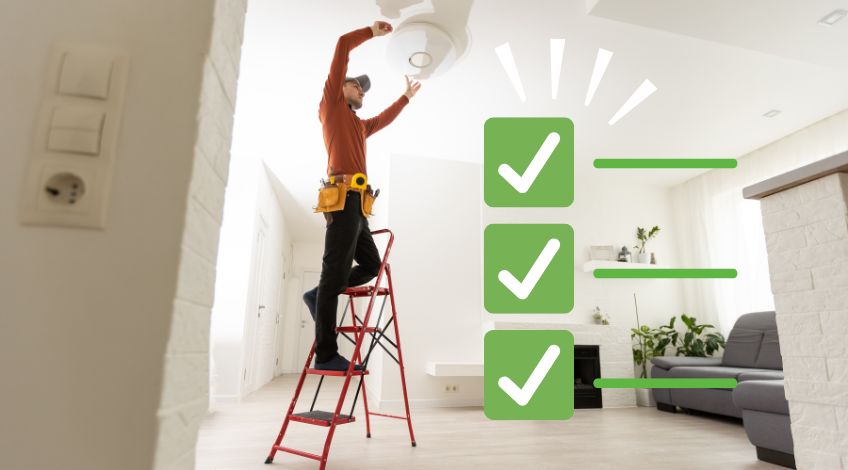
Press the test button on each alarm monthly to ensure they function correctly, and replace batteries as needed.
Ensure alarms are positioned correctly, with smoke alarms in hallways and bedrooms and carbon monoxide detectors near fuel burning appliances.
10. Declutter and Organise Storage Spaces

Each month, take time to organise cupboards, loft spaces, and storage areas. Donate or recycle items you no longer need, and ensure seasonal items like winter coats or summer garden furniture are stored properly.
This habit keeps your home tidy and maximises available space. Label storage boxes clearly to make it easier to find things when needed.
11. Keep an Eye on Your Energy Bills and Reduce Consumption
Check your smart meter readings or energy bills to see if your usage has increased unexpectedly. Simple actions like switching off standby appliances, using energy efficient light bulbs, and running the washing machine at lower temperatures can help reduce bills.
If you suspect a faulty appliance is consuming too much energy, consider investing in an energy monitor to pinpoint the issue.
Additionally, ensure that radiators are not blocked by furniture, which can restrict heat circulation and make your heating system work harder than necessary.
Create a Monthly Maintenance Checklist

A simple checklist helps you stay on top of home maintenance tasks. Whether it’s a written list or a reminder on your phone, tracking what needs to be done each month makes it easier to manage.
Staying proactive ensures your home remains safe, efficient, and comfortable all year round. If certain tasks need seasonal attention, breaking them into monthly sections makes home maintenance more manageable.
Make Sure Other Homeowners Know These Important Monthly Tasks!
These 11 essential home maintenance tips help prevent costly repairs and keep your home running smoothly. Share them online to help others stay on top of their home care routine!
SEE ALSO: 14 Habits of Older Women Who Always Have Clean Homes
Also, follow us on Pinterest ...