27 House Cleaning Tips From the Past You’ve Probably Forgotten
Your grandmother’s cleaning cupboard held more wisdom than any modern cleaning aisle. While we’re here frantically buying expensive sprays and gadgets that promise miraculous results, generations before us were quietly mastering the art of keeping spotless homes with simple ingredients they already had to hand. These brilliant methods have stood the test of time because they actually work, and they won’t cost you a fortune either.
These aren’t just nostalgic remedies from a bygone era, they’re proper solutions that can revolutionise how you tackle household chores. Whether you’re battling stubborn stains, persistent odours, or simply want to maintain a pristine home without breaking the bank, these time honoured tricks will become your new go to methods.
Kitchen Cleaning Hacks That Actually Work
The kitchen sees the most action in any home, which means it needs the cleverest cleaning solutions. These traditional methods will keep your cooking space sparkling without harsh chemicals or expensive products.
Cleaning Hack #1: Steam Your Microwave Clean Without Scrubbing
Fill a microwave safe bowl with one cup of water and add two tablespoons of either lemon juice or bicarbonate of soda. Heat the mixture on high until it boils vigorously, then let the steam work its magic on the interior walls and door. After a few minutes, carefully remove the hot bowl and simply wipe down the inside with a damp cloth.
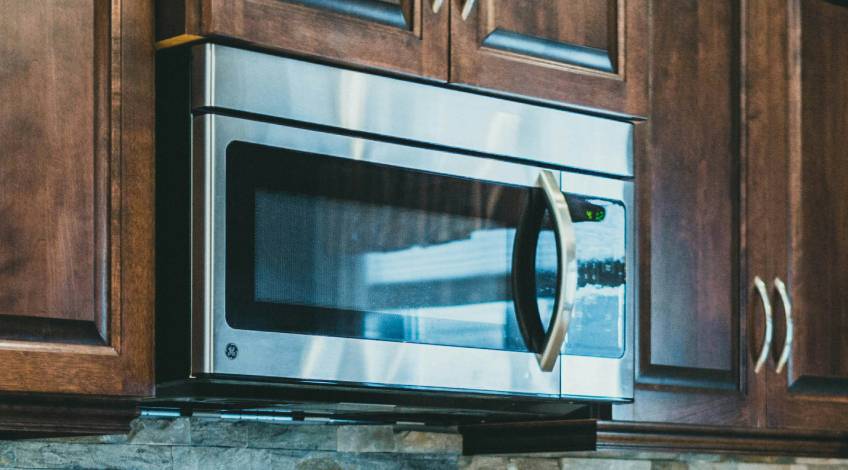
This method works because the steam softens all the dried on food splatters and grease, while the lemon juice cuts through odours and adds a fresh scent. It’s particularly brilliant for those stubborn cheese explosions and tomato sauce disasters that seem impossible to shift by scrubbing alone.
Cleaning Hack #2: Make Brilliant Glass Cleaner From Household Items
Create a streak free glass cleaner by mixing two ounces of rubbing alcohol with two ounces of household ammonia and twelve ounces of water. Add a single drop of blue food colouring to help you distinguish it from other cleaning solutions, then transfer to a spray bottle.
The alcohol evaporates quickly without leaving residue, while the ammonia cuts through grime and fingerprints. This combination creates crystal clear results on windows, mirrors, and glass surfaces that often outperforms expensive commercial cleaners.
Cleaning Hack #3: Protect Your Recipe Books While Cooking
Slip your open cookbook inside a large clear food storage bag when you’re following a recipe. This creates a protective barrier that keeps flour, sauce splatters, and sticky fingers away from the pages while still allowing you to read through the transparent plastic.
This simple trick means your treasured recipe collections will survive countless cooking sessions looking pristine. No more scraping dried batter off page corners or dealing with oil stained pages that stick together.
Cleaning Hack #4: Revive A Sluggish Can Opener
When your can opener starts feeling stiff and difficult to turn, give it a thorough clean with an old toothbrush, hot water, and washing up liquid. Once it’s completely clean, apply a tiny amount of vegetable oil to the moving parts, let it sit for a while, then wipe away any excess.
Food residue builds up in the mechanism over time, making it harder to operate. The deep clean removes all the gunk, while the vegetable oil lubricates the moving parts without adding anything harmful that might contact your food.
Bathroom Cleaning Solutions From Yesteryear
Bathrooms present unique cleaning challenges, but these traditional methods will have yours gleaming without expensive products or harsh chemicals.
Cleaning Hack #5: Dissolve Limescale From Shower Heads Overnight
Fill a plastic bag with white vinegar and secure it around your shower head so the entire head is submerged in the vinegar. Tie the bag in place and leave it overnight. Remove the bag in the morning and run the shower to flush away loosened deposits.
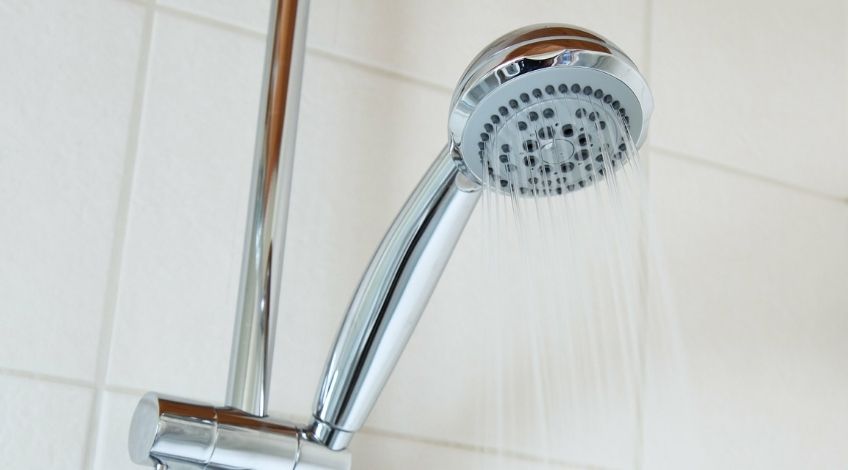
The acetic acid in vinegar dissolves mineral buildup and limescale that accumulates over time, especially in hard water areas. This extended contact time allows the vinegar to work thoroughly, often removing deposits that scrubbing alone can’t shift.
Cleaning Hack #6: Stop Mirrors Fogging Up With This Bathroom Staple
Clean your bathroom mirror with ordinary shaving cream, then buff it completely clean with a soft cloth. The invisible residue left behind prevents condensation from forming on the glass surface. This technique works brilliantly on eyeglasses too!
Shaving cream contains surfactants that reduce surface tension, preventing water droplets from forming on the glass. Instead of creating a foggy film, moisture simply slides off, keeping your mirror clear even during the steamiest showers.
Cleaning Hack #7: Keep Shower Doors Spotless For Months
Wipe down glass shower doors with a soft cloth lightly moistened with baby oil. This creates an invisible protective barrier that prevents soap scum buildup and hard water spots from adhering to the glass.
The thin oil coating repels water and soap residue, meaning less scrubbing for you and consistently clear glass that makes your entire bathroom look cleaner and brighter. It’s particularly effective in areas with hard water where mineral deposits usually accumulate quickly.
Living Room And General Household Wisdom
These clever solutions will help you maintain every area of your home using simple ingredients that are gentle on surfaces and kind to your budget.
Cleaning Hack #8: Restore Stainless Steel Shine With Fizzy Water
Place tarnished stainless steel cutlery in a bowl filled with any type of carbonated water: soda water, club soda, or sparkling water. Leave it until all the bubbles have gone flat, then remove and dry your cutlery to reveal a brilliant shine.
The carbonation helps lift tarnish and water spots from the steel surface. As the bubbles dissipate, they carry away dulling residues without any scrubbing or harsh chemicals that might scratch the metal.
Cleaning Hack #9: Remove Stubborn Stickers Effortlessly
Spray sticky price labels and adhesive residue with a light coating of WD40. Wait a few minutes for it to penetrate, then peel away the sticker. The adhesive will come off cleanly without leaving any sticky residue behind.
WD40’s solvent properties break down the adhesive bond between the sticker and surface. It’s particularly effective on glass and smooth surfaces where you can see the adhesive starting to dissolve.
Cleaning Hack #10: Clean Intricate Wicker Furniture Properly
Instead of trying to work furniture polish into wicker’s countless crevices with a cloth, spray the polish onto a clean paintbrush. The bristles can follow every curve and reach into every gap that standard cleaning cloths simply can’t access.
Wicker furniture has endless nooks and crannies that trap dust and grime. A paintbrush gets into every space while distributing polish evenly, conditioning the wicker and helping prevent it from drying out and cracking.
Cleaning Hack #11: Bring Tarnished Silver Back To Life
Line a large bowl or sink with aluminium foil, then place your tarnished silver items on top. Sprinkle three tablespoons of bicarbonate of soda over the silver and cover everything with boiling water. Leave for 10 to 15 minutes and watch the tarnish disappear.
This creates an electrochemical reaction between the aluminium, bicarbonate of soda, and tarnished silver. The tarnish transfers from your silver to the foil, restoring shine without any polishing or harsh rubbing that might damage delicate pieces.
Fabric And Clothing Care Secrets
These traditional stain fighting and fabric care methods will save you money on dry cleaning and keep your textiles looking their best.
Cleaning Hack #12: Remove Ink And Crayon Marks Instantly
Dab rubbing alcohol onto ink stains on clothing or crayon marks on walls and woodwork using a clean cloth. The alcohol breaks down both ink pigments and waxy crayon residue, lifting them away from surfaces without damaging the underlying material.
Rubbing alcohol is an excellent solvent for many types of ink and waxy substances. It works on both hard and soft surfaces, making it invaluable for households with artistic children who see every surface as a potential canvas.
Cleaning Hack #13: Get Chewing Gum Out Of Hair And Fabric
Rub a generous amount of smooth peanut butter or vegetable oil into stuck chewing gum. Wait several minutes for the oils to work, then gently work the gum free. Wash the area normally afterwards to remove any oily residue.
The oils break down the polymers in chewing gum, making it lose its sticky properties. This method works much better than trying to pull or freeze the gum, and it’s gentler on hair and fabric fibres.
Cleaning Hack #14: Stop Clothes Tangling In The Wash
Before putting shirts in the washing machine, button the cuffs to the shirt front. This prevents sleeves from wrapping around other clothes or knotting themselves during the wash cycle, reducing wrinkles and making ironing easier.
Loose sleeves can create stubborn tangles during the agitation cycle, leading to wrinkles and sometimes even damage. Securing the cuffs keeps shirts neat throughout the wash, so they come out looking much tidier.
Clever Emergency Cleaning Solutions
These ingenious methods solve unexpected cleaning disasters using items you already have around the house.
Cleaning Hack #15: Clean Up Broken Glass Safely
Press a slice of fresh bread lightly over areas where glass has shattered. The soft, slightly sticky texture of bread picks up even microscopic glass fragments that brooms and vacuum cleaners might miss. Dispose of the bread immediately in a secure bag.
This method is particularly brilliant because it captures those dangerous tiny shards that can be nearly invisible but painful if stepped on. It’s much safer than trying to wipe up glass with cloths or paper towels.
Cleaning Hack #16: Hide Wood Scratches With Kitchen Nuts
Rub minor scratches and nicks in wooden furniture with the meat of a walnut or pecan. The natural oils in the nuts penetrate the wood and help disguise damage by darkening the scratched area to match the surrounding wood tone.
Nut oils contain compounds that condition wood while providing colour that blends with most wood finishes. It’s a quick temporary fix that can make damage much less noticeable until you can arrange proper repairs.
Cleaning Hack #17: Remove Hairspray Buildup From Mirrors
Clean mirrors that are cloudy from hairspray buildup by wiping them down with a cloth soaked in rubbing alcohol. The alcohol cuts through the sticky polymers in hairspray, leaving your mirrors completely clear and streak free.
Hairspray creates a film of polymers and other ingredients that water alone can’t remove. Rubbing alcohol dissolves these compounds effectively, restoring perfect clarity to your mirrors.
Natural Air Freshening Methods
These time tested approaches to keeping your home smelling wonderful use natural ingredients that are safe around families and pets.
Cleaning Hack #18: Keep Bins Fresh With Garden Herbs
Place a fresh sprig of mint in your kitchen bin daily during warm weather. The natural antimicrobial properties in mint help control odour causing bacteria while releasing a clean, fresh scent that neutralises unpleasant smells.
Unlike artificial air fresheners that simply mask odours, mint’s natural compounds actually help reduce the bacteria that cause bins to smell. It’s particularly effective during summer when warm temperatures make odours more noticeable.
Cleaning Hack #19: Create Natural Room Fragrance
Fill a small saucepan with water and add cinnamon sticks, whole cloves, and strips of orange peel. Heat gently on your hob and let the aromatic steam naturally scent your home while adding moisture to dry air.
This releases essential oils from the spices and citrus into the air, creating a welcoming atmosphere that’s completely natural. Unlike commercial air fresheners, you control exactly what goes into your home’s air.
Cleaning Hack #20: Eliminate Carpet And Upholstery Odours
Sprinkle bicarbonate of soda generously over carpets and upholstered furniture. Leave it for at least 30 minutes to absorb odours, then vacuum thoroughly. For stronger smells, leave overnight before vacuuming.
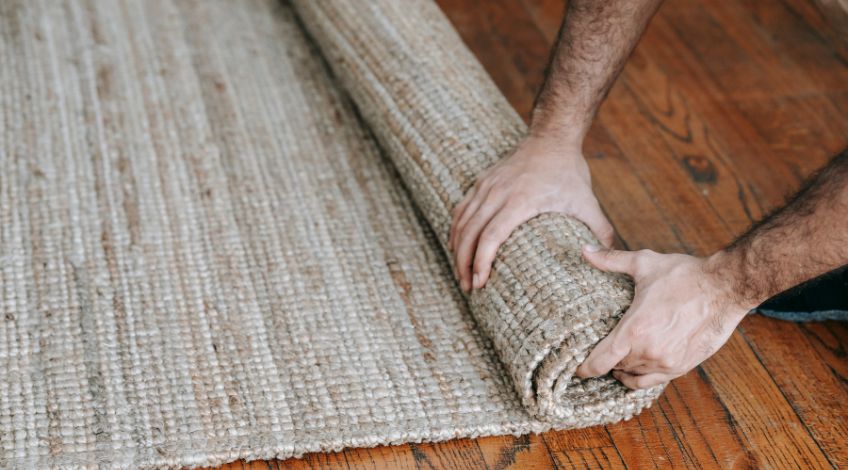
Bicarbonate of soda neutralises acidic compounds that cause most household odours. It doesn’t just mask smells but actually absorbs and eliminates them at source, making it particularly effective for pet odours and spilled food.
Outdoor And Garden Cleaning Tricks
These methods help you maintain outdoor equipment and spaces with minimal effort and maximum effectiveness.
Cleaning Hack #21: Clean BBQ Grills While You Sleep
Place your greasy barbecue grill rack on the lawn overnight. The combination of dew moisture and natural enzymes in grass works to soften and loosen burned on grease and food residue. This method works for oven racks too!
The moisture from dew softens stubborn grime while grass enzymes help break down organic compounds. You’ll wake up to find most of the hard work done for you, making scrubbing much easier.
Cleaning Hack #22: Set Up Outdoor Hand Washing
Slip a bar of soap into the toe of an old nylon stocking and tie it securely to your outdoor tap. This creates a permanent hand washing station that’s always ready for muddy gardening sessions.
The stocking protects the soap from weather while allowing it to lather when wet. It prevents soap from slipping out of muddy hands or getting lost among garden tools, ensuring you can always clean up properly after outdoor work.
Quick Beauty And Grooming Fixes
These traditional solutions solve common personal care challenges using household ingredients.
Cleaning Hack #23: Get Seriously Dirty Hands Properly Clean
When soap alone won’t shift ingrained dirt and stains, add a teaspoon of granulated sugar to your soap lather. The gentle abrasive action helps scrub away stubborn grime without being harsh on your skin.
Sugar provides just enough abrasiveness to lift stubborn stains and ground in dirt, while being much gentler than commercial hand scrubs. It’s particularly useful after gardening, car maintenance, or messy craft projects.
Cleaning Hack #24: Restore Patent Leather Accessories
Polish patent leather shoes and handbags with a small amount of milk applied with a soft cloth. Work it into the surface and buff to a brilliant shine that restores the leather’s original lustre.
The proteins and fats in milk help condition patent leather while providing a protective coating that enhances its natural shine. This gentle method won’t damage the delicate finish like harsh cleaners might.
Advanced Household Maintenance Tips
These sophisticated cleaning methods tackle more challenging household maintenance tasks with surprising simplicity.
Cleaning Hack #25: Speed Up Wall Washing
Use a clean paint roller and tray system to wash large wall areas. Load the roller with your cleaning solution, roll it across the wall, then follow with a second roller loaded with clean rinse water. This covers much more area than sponging.
Paint rollers hold more cleaning solution than sponges and distribute it evenly across large surfaces. The rolling action also helps work cleaner into textured wall surfaces more effectively than wiping alone.
Cleaning Hack #26: Refresh Artificial Flowers
Revive dusty silk flower arrangements by dipping them quickly in warm soapy water. Shake gently to remove excess water, then lay flat on towels to dry completely. They’ll look vibrant and new again.
Artificial flowers accumulate dust and grime that makes colours look faded and dull. A gentle wash removes this buildup and restores original colours without damaging the fabric petals.
Cleaning Hack #27: Prevent Moths Naturally
Create natural moth deterrents by mixing a few drops each of clove oil and cinnamon oil, then soaking cotton wool balls in the mixture. Place these in small fabric pouches and hang in wardrobes.
These essential oils contain natural compounds that moths find repellent, but they smell pleasant to humans. Unlike chemical mothballs, they’re safe around clothing and won’t leave harmful residues on your garments.
These Old School Methods Still Rule Today
These forgotten cleaning gems prove that our ancestors knew a thing or two about keeping homes spotless without fancy products or complicated processes. They’re economical, effective, and use ingredients you likely already have in your kitchen cupboards and bathroom cabinets.
The brilliance of these traditional methods lies in their simplicity and reliability. No complicated instructions, no expensive gadgets, just practical solutions that have been keeping homes clean and fresh for generations. They work because they’re based on sound principles of chemistry and physics, not marketing hype.
Try a few of these time tested tricks and discover why your grandmother’s house always seemed to sparkle. Your cleaning routine will never be the same again, and neither will your grocery bill!
Share these brilliant tips with friends who could use some cleaning inspiration! Hit that share button on Facebook, X, or Pinterest, or simply send this article to your family group chat. Because sharing is caring, and we could all use these clever shortcuts to a cleaner home!
SEE ALSO: Thinking of Using Your Oven’s Self-Cleaning Setting? Read This First
Also, follow us on Pinterest ...