How To Clean Your Kettle The Right Way (So It Lasts For Years!)
If you’re a tea or coffee lover, your kettle is probably one of the most used appliances in your kitchen. But when was the last time you gave it a proper clean? Over time, limescale, mineral deposits, and even odd smells can build up, affecting the taste of your drinks and the lifespan of your kettle. The good news?
Cleaning your kettle doesn’t have to be a chore. With a few simple steps, you can keep it in top condition for years to come. Let’s get started.
Why Cleaning Your Kettle Matters
A clean kettle isn’t just about aesthetics.
Limescale, which forms due to hard water, can clog the heating element, making your kettle less efficient and even causing it to break down prematurely. Plus, nobody wants to drink tea or coffee that tastes like old minerals or has floating bits of limescale. Regular cleaning ensures your kettle works efficiently, tastes great, and lasts longer.
What You’ll Need
Before we get into the cleaning process, gather these items:
- White vinegar or lemon juice
- Water
- A soft sponge or cloth
- A toothbrush (for hard-to-reach spots)
- Bicarbonate of soda (optional, for stubborn stains)
Step 1: The Vinegar Method (The Classic Clean)
White vinegar is a natural descaler and works wonders on limescale. Here’s how to use it:
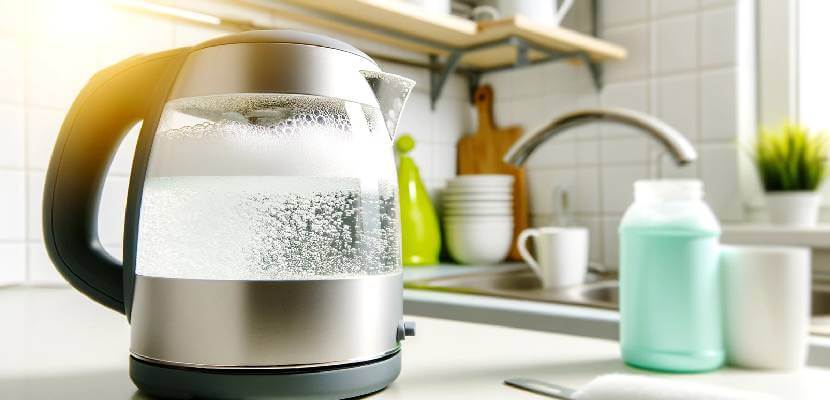
- Mix the Solution: Fill your kettle halfway with equal parts white vinegar and water. If your kettle is particularly scaled, you can use undiluted vinegar.
- Let It Sit: Leave the solution in the kettle for about an hour. This gives the vinegar time to break down the limescale.
- Boil It: Bring the solution to a boil, then turn off the kettle and let it cool for 15 to 20 minutes.
- Scrub and Rinse: Empty the kettle and use a soft sponge to wipe away any remaining limescale. Rinse thoroughly with clean water to remove any vinegar smell.
Pro Tip: If the smell of vinegar lingers, boil a kettle full of clean water and discard it. Repeat if necessary.
Step 2: The Lemon Juice Method (For A Fresh Scent)
If you’re not a fan of vinegar, lemon juice is a great alternative. It’s equally effective and leaves a fresh, citrusy scent.
- Squeeze the Lemons: Cut two lemons in half and squeeze the juice into your kettle. Add the lemon halves as well for extra cleaning power.
- Add Water: Fill the kettle halfway with water.
- Boil and Soak: Bring the mixture to a boil, then let it sit for an hour.
- Scrub and Rinse: Empty the kettle, scrub away any residue, and rinse thoroughly.
Step 3: Cleaning The Exterior
While the inside of your kettle gets most of the attention, the outside deserves some love too.
- Wipe It Down: Use a damp cloth to wipe the exterior. For stainless steel kettles, a bit of white vinegar on the cloth can help remove fingerprints and smudges.
- Tackle Stubborn Stains: For tough stains, make a paste with bicarbonate of soda and water. Gently scrub the affected area with a soft sponge, then wipe clean.
- Dry Thoroughly: Always dry your kettle after cleaning to prevent water spots or rust.
Step 4: Preventative Maintenance
To keep your kettle in top shape, follow these tips:
- Descale Regularly: If you live in a hard water area, descale your kettle every 1 to 2 months. For soft water areas, every 3-4 months should suffice.
- Empty After Use: Don’t leave water sitting in your kettle overnight. This can lead to mineral buildup and odd smells.
- Use Filtered Water: If possible, use filtered water to reduce limescale formation.
Bonus Tip: Cleaning The Spout And Lid
The spout and lid are often overlooked but can harbour bacteria and limescale.
- Use a Toothbrush: Dip an old toothbrush in vinegar or lemon juice and scrub the spout and lid.
- Rinse Well: Make sure to rinse these areas thoroughly to remove any cleaning solution.
A Clean Kettle For Perfect Brews
Cleaning your kettle might seem like a small task, but it makes a big difference. Not only will your tea and coffee taste better, but your kettle will also run more efficiently and last longer. Plus, it’s a quick and easy job that you can do while waiting for your morning brew to steep.
So, grab that bottle of vinegar or those lemons and give your kettle the care it deserves. Your future self (and your taste buds) will thank you!
If you found this guide helpful, share it with your fellow tea and coffee lovers on Facebook or Pinterest!
SEE ALSO: Last Minute Guests? These 7 Speed Cleaning Tips Will Save The Day (some are borderline genius)!
Also, follow us on Pinterest ...