Here’s How To Get Rid Of Burnt Food On Your Glass Cooktop Without Damaging It
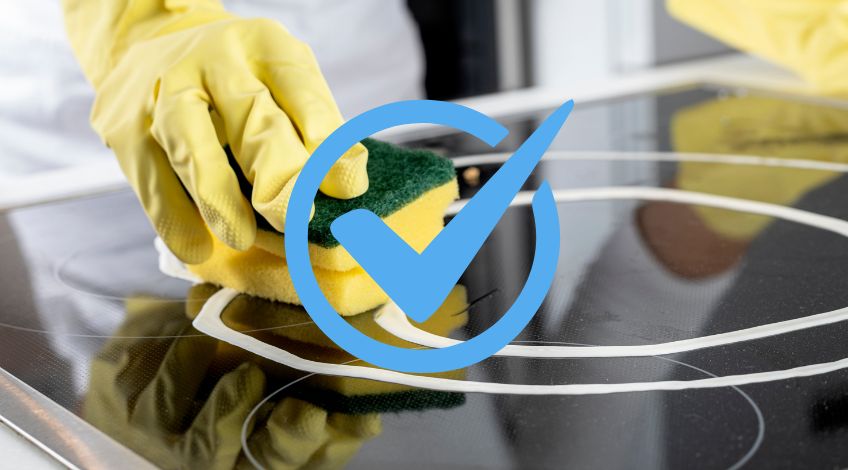
A burnt on mess on your glass cooktop can feel like a nightmare. One wrong move and you could scratch the surface or spread the grime even further.
But there’s good news. You do not need to panic or reach for heavy duty chemicals. There’s a gentle way to remove burnt food that leaves your glass hob looking spotless without risking damage.
Here’s how to do it the right way.
Why Glass Cooktops Need Special Care
Glass cooktops look sleek and modern, but they are not as tough as they seem.
They can crack under pressure, scratch easily and get stained by the smallest spill if left too long. This is especially true with burnt food, which can leave behind cloudy marks or baked on crusts that do not budge with a normal wipe.
That’s why it’s important to use cleaning methods that are gentle but still effective.
Avoid using metal scrapers, harsh abrasives or rough sponges. These might seem like a quick fix, but they can permanently scratch the surface. And once it’s scratched, there’s no way to undo it.
Instead, the best approach is a combination of patience, the right tools and the right cleaner.
How To Safely Remove Burnt Food From A Glass Hob
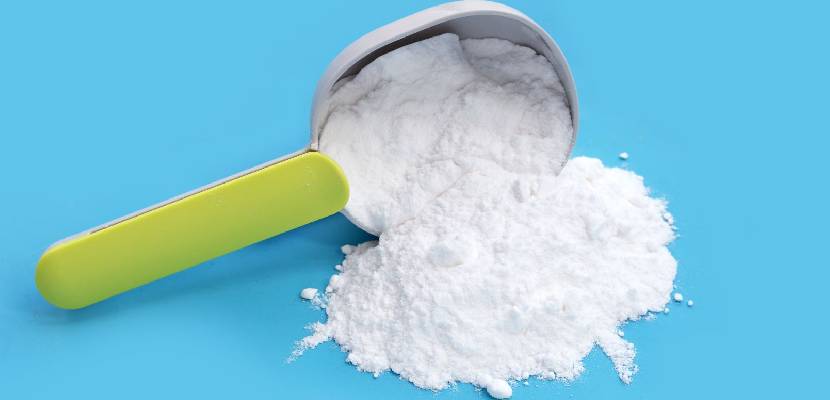
You do not need a cupboard full of products. You only need a few simple items to get the job done safely:
- A soft microfibre cloth or soft sponge
- White vinegar
- Bicarbonate of soda
- A plastic scraper or an old card
- A spray bottle (optional)
These ingredients are gentle on the glass but still powerful enough to lift off the burnt food and stains.
You’ll also want to make sure the cooktop is completely cool before you begin cleaning. Never try this while it’s warm, as you could risk burns or damage the glass.
Start by spraying or wiping the burnt area with a little white vinegar. This helps to soften the crust and break down greasy residue.
Next, sprinkle a good amount of bicarbonate of soda over the vinegar. It will start to fizz as the two ingredients react, which helps to lift grime from the surface.
Leave the mixture to sit for at least 10 to 15 minutes. This gives it time to work on the stain without any harsh scrubbing.
Once it has settled, take your plastic scraper or old card and gently scrape across the surface. You should see the burnt bits start to peel away with ease.
Finally, wipe everything down with a damp microfibre cloth. If any marks remain, repeat the process once more.
You can finish with a bit more vinegar to bring back the shine and remove any streaks. Avoid using paper towels, as they can leave fibres behind or cause fine scratches over time.
Common Mistakes To Avoid When Cleaning Your Glass Hob

The most common mistake is using tools that are too rough. Steel wool, rough scourers or powdered cleaners with sharp grains can cause micro scratches that grow worse over time.
These scratches make the surface harder to clean and can even cause it to crack if the hob heats unevenly.
Another mistake is using too much water. Liquid can seep into the edges of your hob, especially if it’s not sealed properly.
Always use a damp cloth, not a soaking one. Also, don’t use cream cleaners unless they’re marked as safe for glass or ceramic hobs. Some can leave streaks or a cloudy finish.
The Best Way To Maintain A Glass Hob Without Damaging It

The best way to avoid stubborn stains is to clean little spills straight away, once the surface has cooled. A simple wipe with a damp cloth every evening after cooking goes a long way.
For deeper cleans, use the natural method described above once a week. This keeps your hob in good shape and avoids the build up of grime over time.
If you want to go one step further, consider using a protective glass hob cover or mat when not in use. These can prevent scratches from pans and make wiping up even easier.
Can You Use Store Bought Cleaners Instead?
Yes, but with care. In the UK, you’ll find products like Hob Brite or Astonish Hob Cleaner, which are made specifically for ceramic and glass surfaces.
These are usually safe when used as directed. Still, it’s a good idea to test a small patch first. Look for ones that mention “non scratch” or “suitable for glass hobs” on the label.
That said, the vinegar and bicarbonate method works just as well for most burnt stains and it costs next to nothing.
It also avoids any added fragrances or ingredients that can linger or cause streaking.
Spread the Word About These Burnt Food Cleaning Hacks!
These practical cleaning methods are perfect for those dealing with stubborn messes on their glass cooktops. Share them on social media to show how to tackle burnt on food quickly and safely.
SEE ALSO: This Simple Mistake Could Crack Your Glass Top Stove Without Warning
Also, follow us on Pinterest ...