How to Keep a Clean Home When You Have Chronic Pain or Health Challenges
Struggling to keep your home clean when chronic pain or health challenges get in the way? You’re not alone. The frustration of trying to manage a never ending list of chores while battling low energy or discomfort can feel overwhelming. But what if there’s a better way?
This article isn’t about piling on unrealistic expectations or making you feel guilty. Instead, it’s about uncovering smart, practical strategies that fit your reality. You’ll learn how to make your space work for you, and not the other way around.
It’s time to take back control of your home, your time, and your energy. Ready to start transforming your day-to-day life?
Start With Small Cleaning Sessions
When you’re not feeling your best, tackling a big cleaning project can feel impossible. Instead of trying to do everything in one go, break tasks into smaller, more manageable sessions.
Set a timer for 10 or 15 minutes and focus on one area, like clearing off a table or wiping down a countertop. These short bursts of cleaning can add up over time and make your home feel significantly tidier without leaving you exhausted.
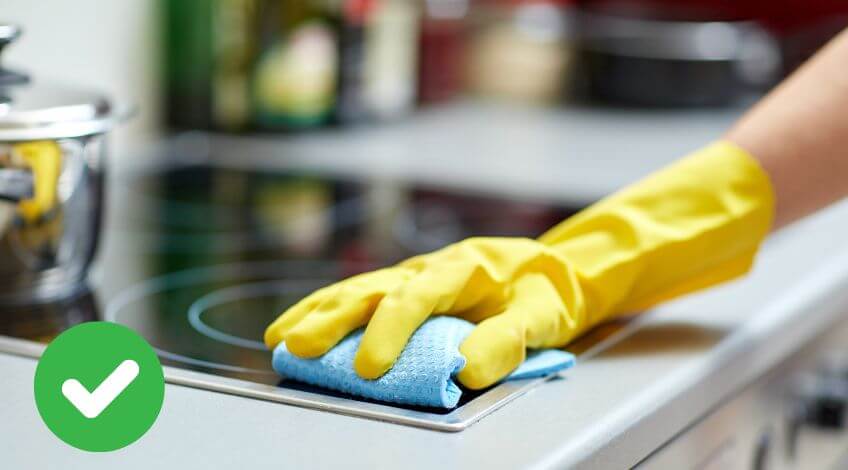
If your energy levels are especially low, even five minutes can make a difference. The key is to stop before you overdo it. Consistency, rather than perfection, is what keeps your home in a manageable state.
Keep Cleaning Supplies Close To Hand
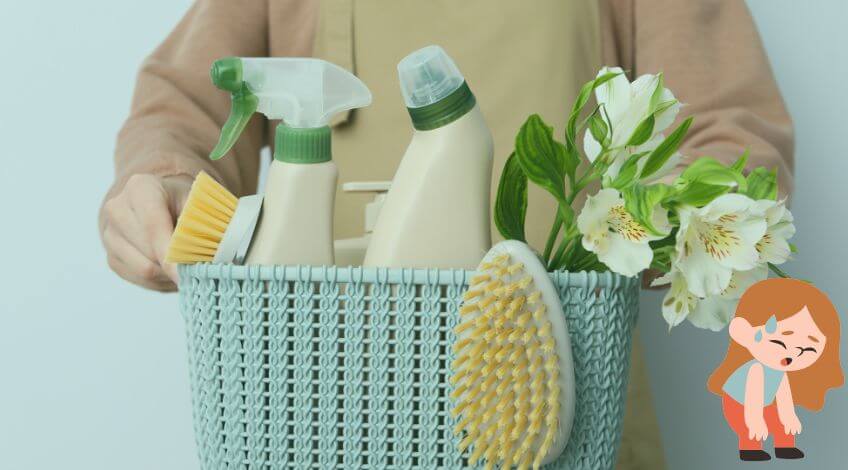
Storing cleaning tools in easily accessible places can make your routine much smoother. Keep a small caddy with essentials, such as wipes, spray cleaner, and a microfibre cloth, in frequently used areas like the kitchen or bathroom. This way, when you notice a mess, you can clean it immediately without having to hunt for supplies.
If carrying a cleaning caddy is difficult, consider storing supplies in multiple locations. For example, keep a small set of items in each room or area where they are likely to be used. This strategy saves energy and makes it easier to stay on top of daily cleaning needs.
Focus On High Traffic Areas
Not every part of your home needs the same level of attention. Prioritise high traffic spaces, such as the kitchen, bathroom, and living room. These areas tend to accumulate dirt and clutter quickly, and keeping them clean can make your entire home feel more inviting. Start with the most visible surfaces, like countertops and floors, as they make the biggest impact.
Remember that focusing on these key areas doesn’t mean ignoring the rest of your home. It’s about working smarter, not harder. By tackling the most used spaces first, you’ll ensure your efforts have the most noticeable results.
Tidy As You Go
Making small cleaning tasks part of your daily routine can save you from larger, more exhausting chores later. Wash dishes or load the dishwasher while cooking, wipe spills as they happen, and put things back where they belong after using them. These simple habits can keep clutter and messes from piling up, making it easier to maintain a clean home over time.
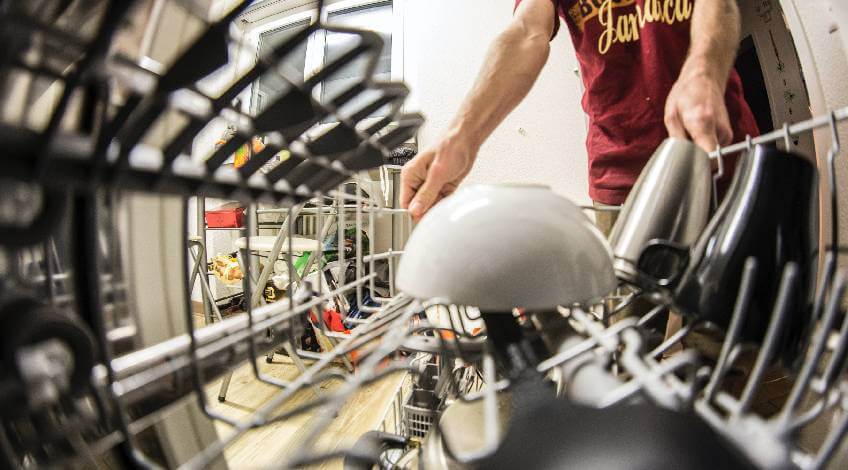
If you live alone, try to pace yourself and focus on one or two tasks at a time. If you live with others, encourage them to adopt the same “clean as you go” approach. Teamwork can make a significant difference.
Declutter Gradually
Clutter can make cleaning feel overwhelming, so it’s important to reduce it wherever possible. Start small by focusing on one area at a time, like a drawer, a shelf, or a corner of the room. Sorting through your belongings in short bursts can make the process feel less daunting and prevent you from overexerting yourself.
Consider using a simple rule, like “one in, one out.” Every time you bring a new item into your home, donate or discard something you no longer use. Over time, this habit can keep clutter under control and make your space easier to clean and maintain.
Invest In Time Saving Tools
Using the right tools can make cleaning less physically demanding and more efficient. Lightweight cordless vacuums, spray mops, and extendable dusters are all great options. These tools are designed to minimise effort while still delivering effective results. Look for items that are easy to manoeuvre and don’t require excessive bending or lifting.
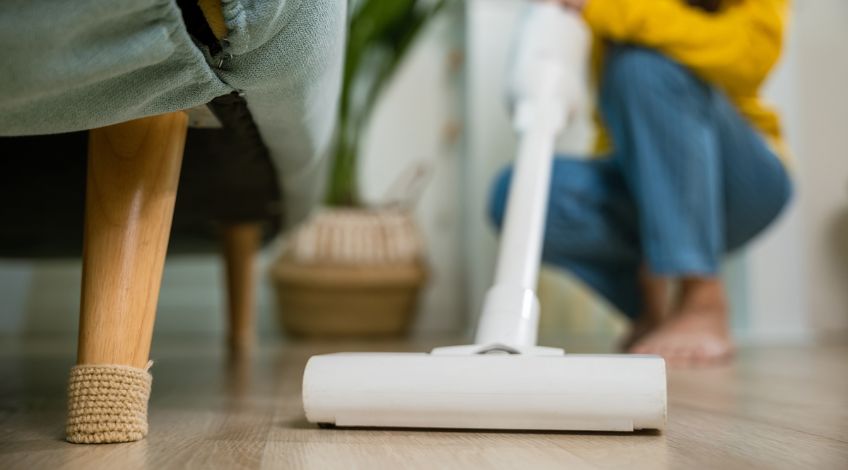
For example, a cordless vacuum can make quick work of high traffic areas without the hassle of plugging and unplugging cords. Similarly, a spray mop can help you clean hard floors without the need for heavy buckets or wringing out traditional mops.
Accept Help When You Need It
Living with chronic pain or health challenges can make it difficult to do everything on your own, and that’s okay. If you have friends or family nearby, don’t hesitate to ask for their assistance with tasks that are particularly taxing, like vacuuming or moving furniture. You can also look into hiring help for occasional deep cleans if it fits within your budget.
Remember, accepting help doesn’t mean you’re failing: it’s a practical way to take care of yourself and your home. If you’re part of a local support group or community network, you might even find opportunities to exchange help with others in similar situations.
Your Sanctuary, Simplified
A clean and comfortable home can have a profound impact on your overall well being, especially when you’re managing chronic pain or health challenges. By focusing on small, manageable habits and prioritising what’s most important, you can create a space that supports your needs without overwhelming yourself.
Start with one or two of these tips and build from there, your home doesn’t have to be perfect to feel like a sanctuary.
If you found this article helpful, share it with others who might benefit from these tips. Small changes can make a big difference, and everyone deserves a space that feels like home.
SEE ALSO: People Feel Duped After Finding Out How Often Wool Really Needs To Be Washed
Also, follow us on Pinterest ...