How To Keep Copper Pots Shiny Without Harsh Chemicals
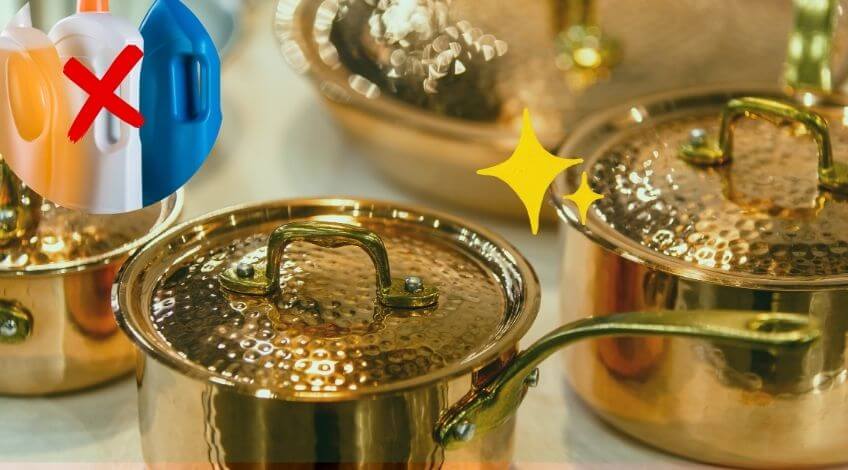
If you’ve got copper pots and pans hanging in your kitchen, you already know they’re absolute stunners. There’s something about that warm, gleaming finish that makes your kitchen feel like a proper chef’s paradise. But here’s the thing: keeping copper shiny can feel like a never ending battle, especially if you’re trying to avoid those harsh chemical cleaners that smell like a science lab and make your eyes water.
Good news! You don’t need aggressive chemicals to make your copper cookware sparkle. Whether you’re worried about exposing your family to nasty toxins or you’re simply trying to be more eco friendly, there are brilliant natural methods that work absolute wonders. These gentle yet effective techniques will have your copper gleaming in no time, using simple ingredients you probably already have in your kitchen.
Why Copper Tarnishes (And Why It’s Completely Normal)
Copper naturally reacts with oxygen in the air, creating a layer of copper oxide that dulls that gorgeous shine. This process is called oxidation and it’s perfectly normal! It doesn’t mean you’ve done anything wrong or that your pots are damaged.
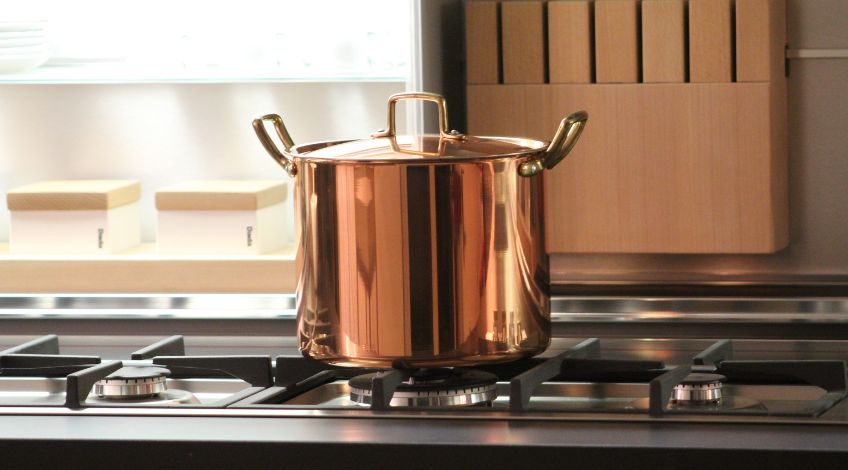
The tarnish can range from a dull brown to a dark, almost black colour depending on how long it’s been exposed to air and moisture. Some people actually love the aged patina look, but if you prefer that mirror like shine, regular cleaning with gentle methods is the way to go.
Understanding this natural process helps you realise why regular maintenance is easier than letting tarnish build up for months. A quick clean every few weeks means you’re only dealing with a light layer of oxidation, not years of built up grime!
The Salt And Lemon Method (Your New Best Friend)
This is hands down one of the most effective and satisfying ways to clean copper without any harsh chemicals. The combination of salt and lemon creates a gentle abrasive that cuts through tarnish brilliantly.
What You’ll Need
Grab a fresh lemon (or bottled lemon juice works in a pinch), some ordinary table salt, and a soft cloth. That’s it! No fancy equipment or expensive products required.
How To Use It
Cut your lemon in half and sprinkle a generous amount of salt directly onto the cut surface. Now here’s the fun part: use that salted lemon half like a scrubber, rubbing it all over your copper pot in circular motions.

The salt acts as a gentle abrasive while the citric acid in the lemon breaks down the tarnish. You’ll actually see the copper brighten up before your eyes! It’s oddly satisfying, honestly.
For stubborn spots, let the lemon juice and salt sit on the surface for a few minutes before scrubbing. Once you’ve worked over the entire surface, rinse thoroughly with warm water and dry immediately with a soft cloth. Leaving water spots will just create new tarnish, so make sure you dry it properly!
This method is particularly brilliant because lemon juice is naturally antibacterial, so you’re not just polishing, you’re also sanitising your cookware. Plus, your kitchen will smell absolutely lovely afterwards!
The Vinegar And Salt Paste Solution
If you don’t have lemons on hand, white vinegar is your next best mate. This combination creates a paste that’s perfect for tackling more stubborn tarnish.
Mix equal parts white vinegar and table salt to create a paste. You want it thick enough to stick to the copper surface but not so thick that it’s difficult to spread. Think somewhere between toothpaste and pancake batter consistency.
Apply this paste to your copper pot using a soft cloth or sponge, working it into the tarnished areas with gentle circular motions. The acetic acid in the vinegar works similarly to the citric acid in lemon, breaking down that oxidation layer while the salt provides gentle scrubbing action.
Let the paste sit for about 10 to 15 minutes for really tarnished pieces. For lightly tarnished copper, you can start scrubbing straight away. Once you’ve worked over all the tarnished areas, rinse thoroughly with warm water and dry immediately.
Some people worry about vinegar’s smell, but it dissipates quickly once you rinse the pot. If you’re particularly sensitive to the scent, crack open a window while you work!
The Tomato Ketchup Trick (Yes, Really!)
This sounds absolutely bonkers, but ketchup is surprisingly effective at cleaning copper! The acidity from the tomatoes and vinegar in ketchup works to dissolve tarnish and it’s something most households already have in the fridge.
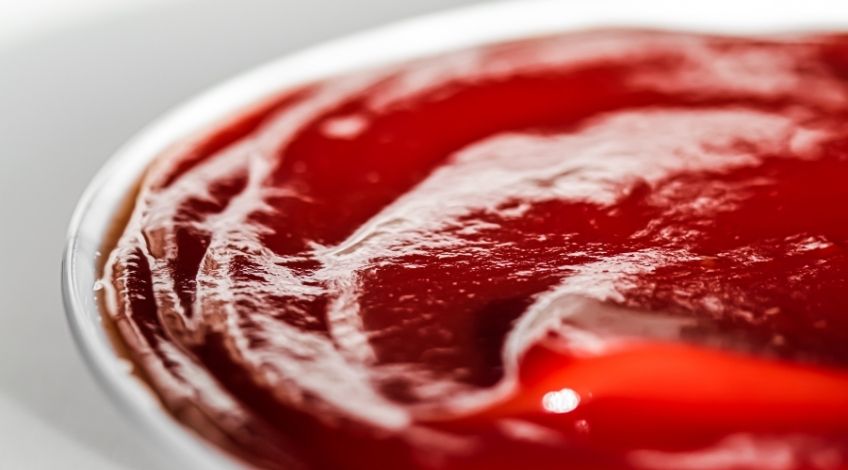
Simply squeeze a generous amount of ketchup onto your copper pot and spread it around with a soft cloth. Make sure you cover all the tarnished areas. Let it sit for about 15 to 20 minutes, then use the cloth to rub the ketchup around in circular motions.
The tarnish should come off quite easily. Rinse thoroughly with warm water and dry immediately. This method works best on light to medium tarnish. For heavily tarnished pieces, you might need to repeat the process or try one of the stronger methods like lemon and salt.
Kids absolutely love helping with this method because it seems so silly to clean with ketchup! It’s a great way to get them involved in kitchen maintenance while teaching them about natural cleaning methods.
The Flour, Salt And Vinegar Polish
For a more traditional polishing approach, this three ingredient paste creates a thick mixture that’s particularly good for detailed areas and intricate designs on copper cookware.
Combine equal parts plain flour, salt and white vinegar to create a thick paste. The flour acts as a gentle filler that helps the mixture cling to vertical surfaces, while the salt and vinegar do the actual cleaning work.
Apply this paste generously to your copper pot, making sure to work it into any crevices or decorative details. Let it sit for about 30 minutes to an hour, depending on how tarnished the piece is. The paste will dry somewhat, which is fine!
Use a soft cloth to rub the dried paste in circular motions, then rinse thoroughly with warm water. You might need to use a soft brush to get the paste out of detailed areas. Dry immediately and thoroughly.
This method is brilliant for copper pieces with lots of detail because the thick paste really gets into all those nooks and crannies where tarnish loves to hide.
Quick Daily Maintenance Tips
The secret to keeping copper shiny isn’t just about deep cleaning. Regular quick maintenance makes a massive difference and means you’ll spend far less time scrubbing in the long run.
- After each use, wash your copper pots with warm, soapy water and dry them immediately. Water spots are one of the main culprits behind rapid tarnishing, so thorough drying is essential. Use a soft microfibre cloth for the best results.
- If you notice slight tarnishing starting to appear, a quick rub with half a lemon can nip it in the bud before it becomes a bigger job. Think of it like brushing your teeth: easier to do a little bit regularly than to deal with major problems later!
- Store copper pots in a dry place. Humidity accelerates tarnishing, so avoid keeping them near the sink or in damp cupboards. If you’re hanging copper pots as kitchen decoration, expect to clean them more frequently as they’ll be constantly exposed to air.
What About Lacquered Copper?
Here’s something important to know: some copper cookware comes with a protective lacquer coating. This thin, clear layer helps prevent tarnishing but requires different care.
Lacquered copper should only be cleaned with mild soap and water. Using acidic cleaners like lemon juice or vinegar can actually damage the protective coating, which defeats the whole purpose! Check your pot’s care instructions or look for a shiny, somewhat plastic like finish, which indicates lacquer.
If the lacquer on your copper pot is damaged or wearing off, you have two options. You can have it professionally relacquered, or you can remove the lacquer completely and maintain the copper using the natural methods we’ve discussed. To remove lacquer, you’ll need to use a commercial lacquer remover (which is a harsh chemical) or have it done professionally.
Unlacquered copper develops a natural patina over time that many people find beautiful. It’s really a matter of personal preference whether you want to maintain that bright shine or embrace the aged look!
Common Mistakes To Avoid
Even with the best intentions, there are a few mistakes that can damage your copper cookware or make cleaning more difficult than it needs to be.
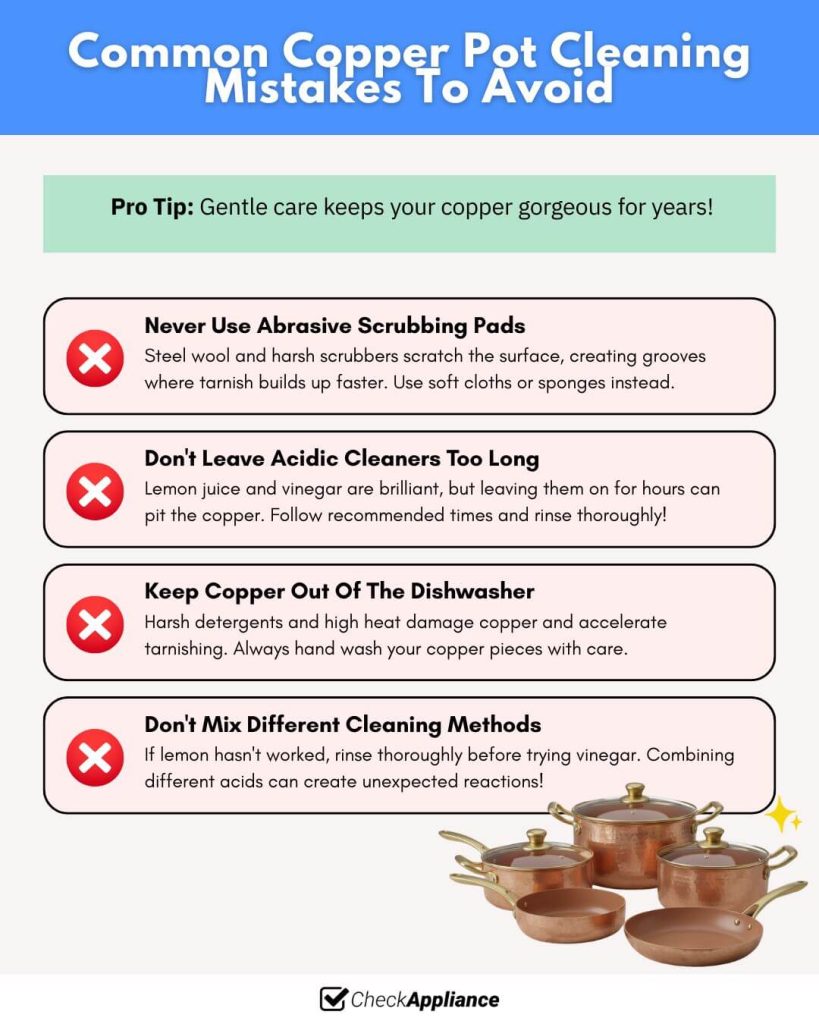
Never use abrasive scrubbing pads or steel wool on copper. These can scratch the surface, creating tiny grooves where tarnish builds up even faster. Stick to soft cloths, sponges, or at most, a soft bristled brush for stubborn spots.
Don’t let acidic cleaning solutions sit on copper for too long. While lemon juice and vinegar are excellent cleaners, leaving them on for hours can actually pit the copper surface. Follow the recommended times and rinse thoroughly.
Avoid putting copper cookware in the dishwasher, even if you’re just trying to give it a quick rinse. The harsh detergents and high heat can damage copper and accelerate tarnishing. Always hand wash copper pieces.
Don’t mix different cleaning methods at the same time. If you’ve tried lemon and it hasn’t worked, rinse thoroughly before trying vinegar. Combining different acids or adding other ingredients can sometimes create unexpected reactions.
How Often Should You Clean Copper?
The frequency of deep cleaning depends on how you use and display your copper cookware. Pieces that are used regularly for cooking will need more frequent attention than decorative items.
For cookware used weekly, a quick polish with lemon and salt once a month should keep things looking brilliant. For display pieces, you might only need to clean them every few months, depending on your kitchen’s humidity levels.
If you notice your copper starting to look dull or developing dark spots, that’s your signal to give it some attention. Don’t wait until it’s completely black, as heavy tarnish requires more aggressive scrubbing and takes much longer to remove.
Some copper enthusiasts do a light polish after every use, which takes just a minute or two and keeps the copper absolutely gleaming. If you enjoy the ritual of caring for your cookware, this approach means you never have to do a major cleaning session!
Keeping Your Copper Cookware Gorgeous For Years
Looking after copper cookware doesn’t have to mean hours of elbow grease or exposure to harsh chemicals. With these simple, natural methods using ingredients from your kitchen, you can keep your copper pots and pans looking absolutely stunning.
The key is regular maintenance rather than letting tarnish build up until you need a hazmat suit to tackle it! A quick rub with lemon and salt takes just a few minutes and keeps your copper gleaming. Plus, you’ll have the satisfaction of knowing you’re caring for your cookware in a way that’s safe for your family and kind to the environment.
If you found these tips helpful, why not share them with your friends on Facebook? Someone in your circle probably has copper cookware gathering dust because they think cleaning it is too much hassle!
SEE ALSO: Dryer Sheets Beyond Laundry: 10 Clever Uses You’ll Actually Want To Try
Also, follow us on Pinterest ...