How To Make Your Laundry Smell Fresh Without Fabric Softener
Let’s be honest: there’s nothing quite like pulling clean laundry from the machine and being hit with that fresh, just washed smell. But what if you’re trying to avoid fabric softener? Maybe you’ve got sensitive skin, you’re looking for more natural options or you’re just fed up with the chemical residue it leaves behind.
Good news! You don’t need fabric softener to get beautifully fresh smelling laundry. There are plenty of natural, homemade solutions that work brilliantly and they’re probably sitting in your kitchen cupboard right now. Whether you’re a DIY cleaning enthusiast or just someone who wants to ditch the chemicals, these tips will transform your laundry routine without breaking the bank.
Why Skip Fabric Softener?
Before we get into the solutions, let’s talk about why you might want to give fabric softener the boot.
Fabric softener works by coating your clothes in a layer of chemicals that make them feel softer. Sounds lovely, right? But this coating can actually trap odours over time, reduce the absorbency of towels and irritate sensitive skin. Plus, it’s not great for the environment.
For those of us who love natural cleaning solutions, fabric softener feels like the opposite of what we’re trying to achieve. We want clean clothes that smell genuinely fresh, not clothes that smell like artificial fragrance covering up whatever’s underneath.
Tip #1: Use White Vinegar In The Rinse Cycle
White vinegar is your new best friend when it comes to fresh smelling laundry. This is because it’s a natural deodoriser that breaks down detergent residue and eliminates odours at the source.
Add half a cup to a full cup of white vinegar to your washing machine’s fabric softener dispenser, or pour it directly into the drum during the rinse cycle. The vinegar smell disappears completely as your clothes dry, leaving nothing but fresh, clean laundry behind.
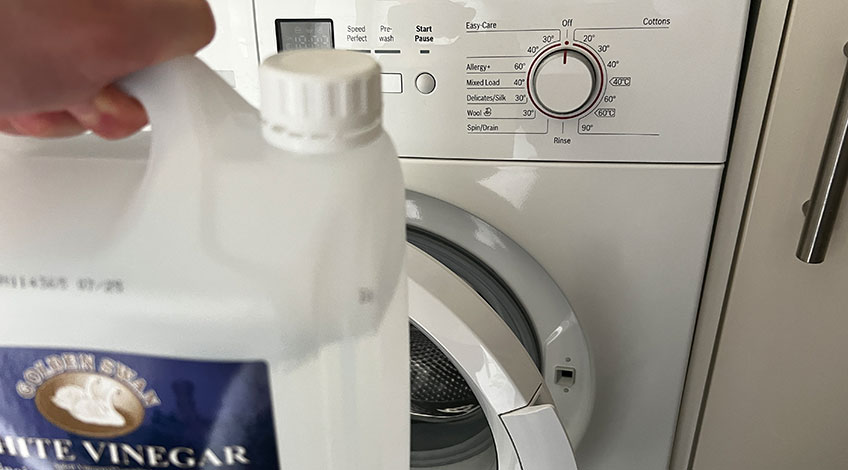
The acidity in vinegar helps to strip away soap buildup that can make clothes smell musty or feel stiff. It also softens fabrics naturally without leaving any coating behind. Your towels will actually absorb water again!
Don’t worry about your clothes smelling like a chip shop. Once they’re dry, there’s absolutely no vinegar scent left. Just clean, neutral smelling fabric.
Tip #2: Add Bicarbonate Of Soda To Your Wash
Bicarbonate of soda is another kitchen staple that works wonders in the laundry. It’s a natural odour neutraliser that tackles smells at a molecular level rather than just covering them up.
Add a quarter cup of bicarbonate of soda directly to your washing machine drum along with your regular detergent. It boosts your detergent’s cleaning power while naturally freshening your clothes.
This method is particularly brilliant for gym kits, musty towels or anything that’s developed a bit of a pong. The bicarbonate of soda neutralises the bacteria that cause odours rather than just masking them with fragrance.
You can even make your own laundry booster by mixing bicarbonate of soda with a few drops of essential oil. Pop it in an airtight jar and use a couple of tablespoons per load for extra freshness.
Tip #3: Try Essential Oils For Natural Fragrance
If you miss that lovely scented laundry smell, essential oils are your answer. They provide natural fragrance without the chemicals found in commercial fabric softeners.
Add 10 to 15 drops of your favourite essential oil to a damp flannel or small cloth, then toss it in the tumble dryer with your wet laundry. As the heat activates the oils, your clothes will pick up a subtle, natural scent.
Lavender is brilliant for bedding and towels. Tea tree oil works wonders for gym clothes because it has natural antibacterial properties. Lemon or eucalyptus gives everything a fresh, clean smell.
You can also add a few drops of essential oil to wool dryer balls. They’ll distribute the scent evenly throughout your load while helping to soften fabrics and reduce drying time.
Tip #4: Make Your Own Scent Boosters
Shop bought scent boosters are expensive and full of artificial fragrances. Why not make your own using natural ingredients you probably already have?
Mix one cup of Epsom salts with 20 to 30 drops of essential oil in a glass jar. Shake it up thoroughly and let it sit for 24 hours so the salts can absorb the oils. Add a tablespoon or two directly to your washing machine drum before adding clothes.
The Epsom salts dissolve completely in the wash, releasing their fresh scent without leaving any residue. You can customise the fragrance to whatever you fancy: try peppermint for a crisp, clean smell or create your own blend by mixing different oils.
Store your homemade scent booster in an airtight jar and give it a shake before each use. It’ll last for months and costs a fraction of what you’d pay for commercial versions.
Tip #5: Clean Your Washing Machine Regularly
Here’s something most people don’t realise: a dirty washing machine means smelly laundry, no matter what you add to the wash.
Your washing machine needs regular cleaning to prevent mould, mildew, and detergent buildup that can transfer funky smells to your clothes. Once a month, run an empty hot wash with two cups of white vinegar. Then run another hot cycle with half a cup of bicarbonate of soda sprinkled in the drum.
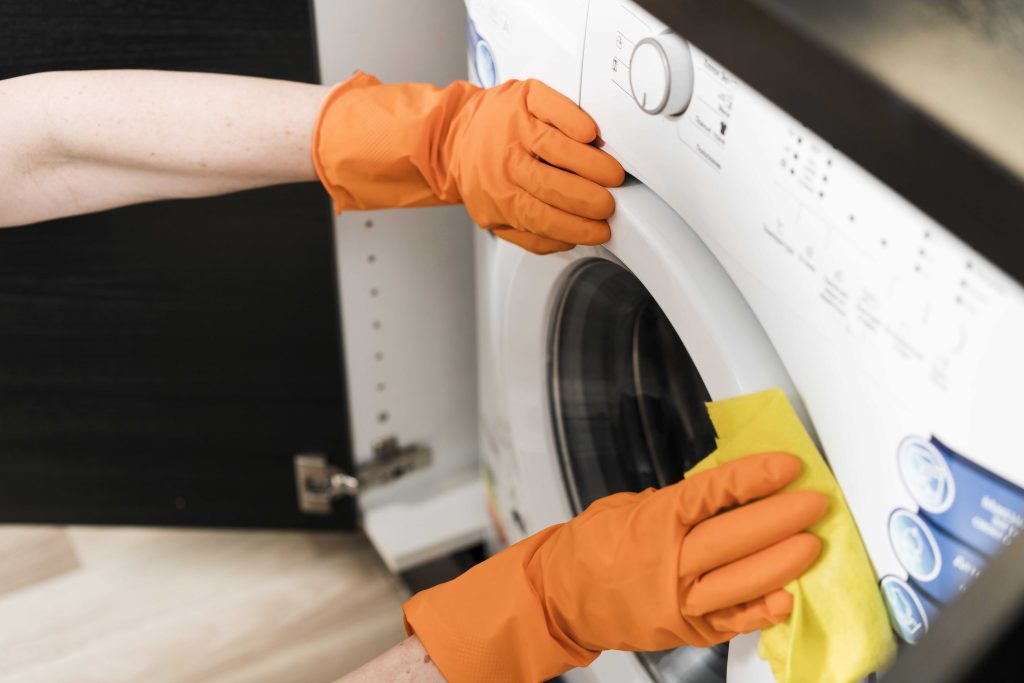
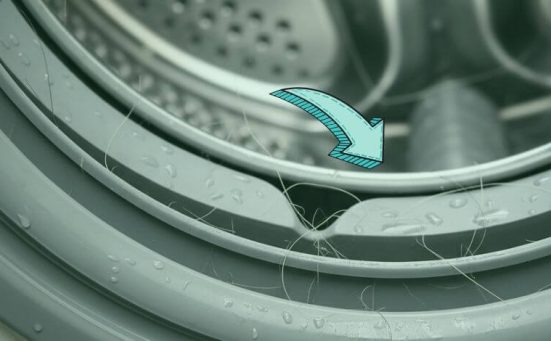
Don’t forget to wipe down the rubber seal around the door where mould loves to hide. Use a cloth dampened with vinegar and water to clean it thoroughly, getting into all those folds where gunk accumulates.
Leave your washing machine door open between washes to let it air out properly. This simple habit prevents that damp, musty smell that can plague front loading machines especially.
Tip #6: Dry Clothes Properly
How you dry your clothes matters just as much as how you wash them. Damp clothes left sitting in the machine or piled in a basket will develop that horrible mildew smell faster than you can say “I forgot about the washing”.
Get clothes out of the washing machine as soon as the cycle finishes. If you’re using a tumble dryer, make sure not to overload it so air can circulate properly. If you’re line drying, give each item a good shake before hanging it up to help it dry faster and prevent wrinkles.
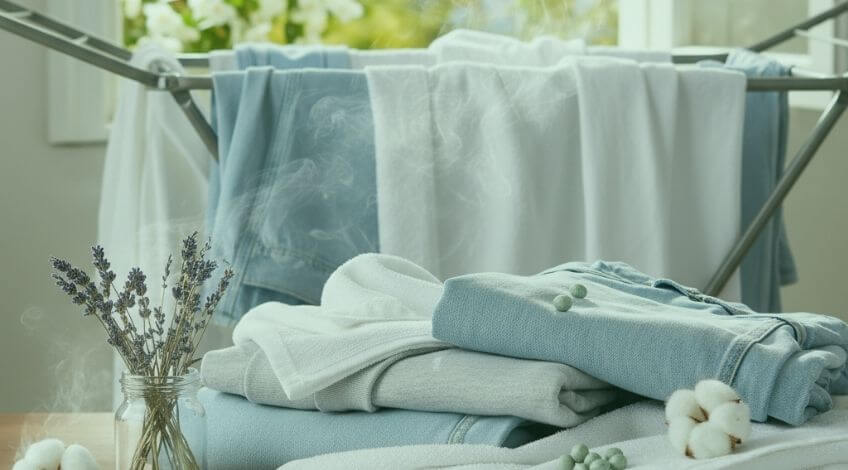
Sunlight is nature’s best deodoriser and whitener. Whenever possible, dry your clothes outside in the fresh air and sunshine. The UV rays naturally kill bacteria and leave clothes smelling absolutely lovely.
If you’re drying indoors, make sure there’s good ventilation. Open a window or use a dehumidifier to prevent that damp smell from developing.
Tip #7: Use Wool Dryer Balls
Wool dryer balls are a brilliant natural alternative to dryer sheets and fabric softener. They work by bouncing around in the dryer, separating clothes and allowing hot air to circulate more efficiently.
This reduces drying time, saves energy and naturally softens fabrics without any chemicals whatsoever. Plus, they last for years, making them incredibly economical.
You can add a few drops of essential oil to your dryer balls for a light, natural scent. They’ll distribute it throughout your load as they tumble around.
Wool dryer balls also reduce static cling, which is one of the main reasons people reach for dryer sheets. They’re reusable, sustainable, and work just as well, if not better than disposable alternatives.
Tip #8: Don’t Use Too Much Detergent
This might sound backwards, but using too much detergent is actually making your clothes smell worse, not better.
Excess detergent doesn’t rinse out completely and builds up in fabric fibres. This residue traps dirt and odours, creating that musty smell that makes you think your clothes aren’t getting clean.
Check your detergent bottle for the recommended amount, then use even less. Modern detergents are concentrated and incredibly effective, you really don’t need much at all. Start with half the recommended amount and see how your clothes come out.
If you have soft water, you need even less detergent. Hard water requires a bit more, but not nearly as much as you might think.
Tip #9: Store Clean Laundry Properly
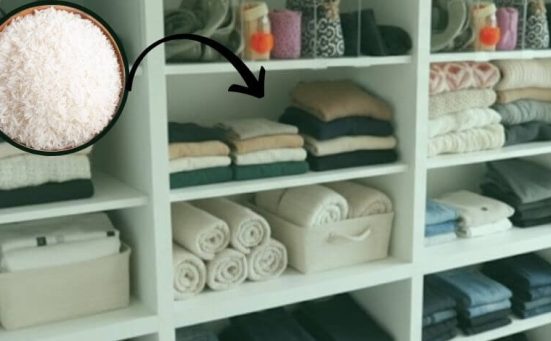
Fresh smelling laundry can quickly turn stale if it’s not stored properly. Make sure clothes are completely dry before putting them away. Even slightly damp clothes will develop that musty wardrobe smell.
Add natural sachets to your drawers and wardrobes. Fill small fabric bags with dried lavender, cedar chips, or make sachets using bicarbonate of soda mixed with essential oils. These keep clothes smelling fresh between washes.

Avoid cramming too many clothes into drawers or wardrobes. Air needs to circulate around fabrics to keep them fresh. If everything’s squashed together, that fresh laundry smell won’t last long.
Consider adding a few drops of essential oil to a cotton ball and popping it in your drawers. It’ll keep everything smelling lovely without any artificial fragrances.
Keep Your Clothes Fresh Naturally
Making your laundry smell fresh without fabric softener isn’t just possible, it’s actually better for your clothes, your skin and your wallet!
These natural methods work brilliantly because they address odours at their source rather than masking them with artificial fragrances. Your clothes will be genuinely clean and fresh, not just perfumed.
The best part? Most of these solutions use ingredients you already have at home. White vinegar, bicarbonate of soda and a few essential oils are all you need to transform your laundry routine.
Give these methods a try and you’ll wonder why you ever bothered with fabric softener in the first place. Your clothes will smell naturally fresh, feel softer and you’ll save money while ditching unnecessary chemicals.
If you found these tips helpful, share them with your friends on Facebook or Pinterest!
SEE ALSO: Why Your Freezer Door Keeps Popping Open (And How To Stop It)
Also, follow us on Pinterest ...