How To Tell If Cheese Has Gone Bad (And Which Moulds Are Actually Safe)
Let’s be honest: we’ve all stood in front of the fridge, staring at that block of cheddar with suspicious spots, wondering if it’s still safe to eat.
If you’re a home cook who loves cheese but isn’t sure what’s still edible, or someone trying to reduce food waste without risking your health, this guide is for you. We’ll help you become a cheese detective, spot the difference between safe and dangerous mould and give you the confidence to save money while keeping your family safe!
The Quick Answer: Most Hard Cheeses Are Salvageable
Here’s the good news: most hard cheeses can be saved even if they’ve got a bit of mould on them. You can simply cut off the mouldy bit (plus an extra inch around it) and the rest is perfectly fine to eat. Soft cheeses, however, are a different story entirely. They should be binned if you spot any mould at all.
The key is knowing which type of cheese you’re dealing with and what kind of mould you’re looking at. Some moulds are actually supposed to be there, while others are definitely unwelcome guests in your fridge.
Understanding Different Types Of Cheese And Their Mould Tolerance
Not all cheeses are created equal when it comes to mould safety. The moisture content and texture of your cheese determines how mould spreads through it, which is why the rules differ so much between cheese types.
Hard Cheeses: The Forgiving Ones
Hard cheeses like cheddar, parmesan, and gouda have low moisture content, which means mould can’t penetrate very deeply into the cheese. Think of it like trying to push a straw through concrete versus pushing it through a sponge. The dense structure of hard cheese acts as a barrier.
These cheeses are the most forgiving when it comes to unwanted mould. If you spot some fuzzy growth on your block of mature cheddar, you can cut it off generously (at least an inch around and below the mouldy area) and the rest is perfectly safe to eat. Make sure you use a clean knife and don’t let it touch the mouldy area, then wrap the remaining cheese in fresh paper or cling film.
The reason this works is that mould grows in thread like structures called hyphae, but in hard cheese, these can’t spread very far. By cutting away the visible mould plus a good margin, you’re removing any invisible threads that might have spread nearby.
Semi Hard Cheeses: Proceed With Caution
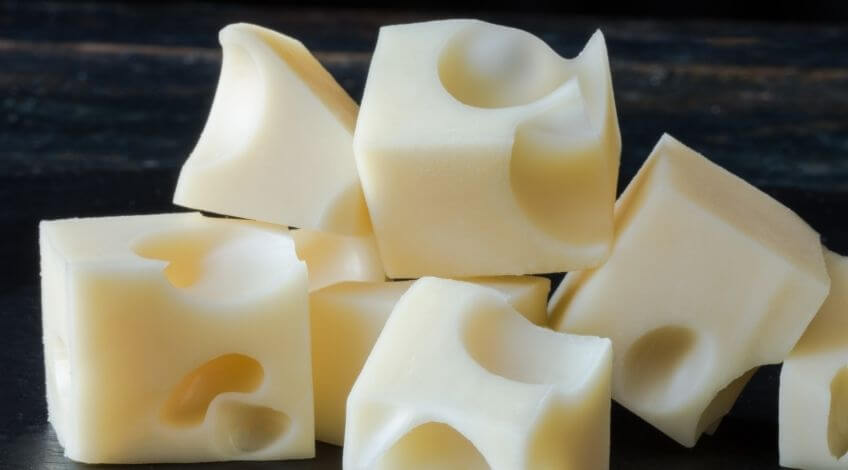
Semi hard cheeses like gruyere, swiss, or manchego fall into a middle ground. They have slightly more moisture than hard cheeses but are still dense enough to limit mould penetration. You can usually apply the same rule as hard cheeses: cut away the mouldy area with a generous margin and the rest should be fine.
However, if the mould covers a large portion of the cheese or if it looks particularly nasty (we’ll cover warning signs later), it’s better to err on the side of caution and throw it away. These cheeses are more expensive, so it hurts to waste them, but your health is worth more than a few pounds.
Soft Cheeses: When In Doubt, Throw It Out
Soft cheeses like brie, camembert, ricotta, cottage cheese, and cream cheese should be thrown away entirely if any unwanted mould appears. Their high moisture content means mould can spread quickly throughout the entire cheese, even if you can only see it in one spot.
This is particularly important for fresh cheeses like ricotta or cottage cheese. These have such high water content that mould can spread invisibly throughout the entire container. If you see any fuzzy growth, the whole thing needs to go in the bin, no matter how small the affected area looks.
The Good Moulds: When Mould Is Supposed To Be There
Here’s where things get interesting: some cheeses are supposed to have mould on them! These are the intentional moulds that give certain cheeses their distinctive flavours and textures.
White Mould Cheeses
Cheeses like brie and camembert have a white, velvety mould called Penicillium candidum on their rinds. This mould is completely safe and is actually essential for the cheese’s flavour development. The white coating should look fairly uniform and feel slightly fuzzy. It might have some brownish spots as it ages, which is normal.
However, if you see any other coloured moulds (black, green, blue, or bright colours) on these cheeses, that’s not supposed to be there and the cheese should be discarded.
Blue Cheeses
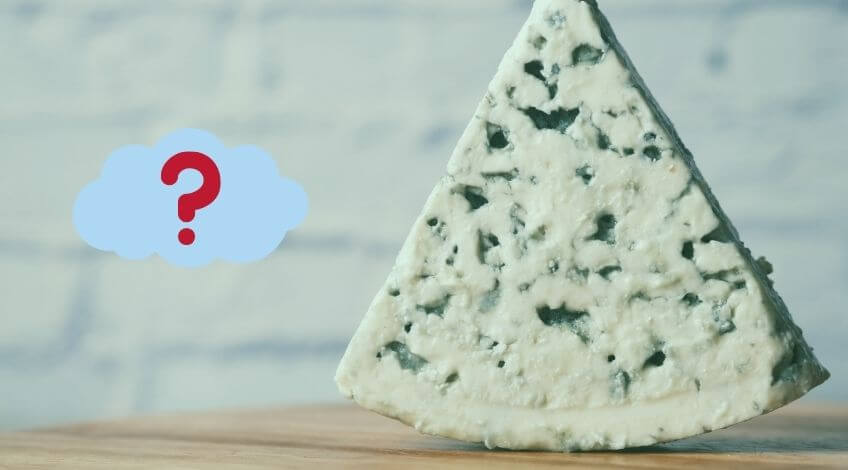
Blue cheeses like stilton, roquefort, and gorgonzola contain Penicillium roqueforti, which creates those distinctive blue green veins. This mould is not only safe but essential for the cheese’s character. The blue veining should look relatively uniform throughout the cheese and shouldn’t extend to the outside rind in unusual patterns.
If your blue cheese develops additional moulds on the outside (especially if they’re different colours), it’s time to say goodbye. The rule here is that the blue mould should be internal and intentional, not external and random.
Red Flags: When To Throw Cheese Away Immediately
Certain warning signs mean your cheese has gone beyond salvageable and needs to go straight in the bin. Learning to recognise these will save you from potential food poisoning and help you make confident decisions about what’s safe to eat.
Colour Changes To Avoid
Any bright or unusual colours are bad news. Green mould (unless it’s the blue green in blue cheese), black mould, pink mould, or any rainbow coloured growth should send your cheese straight to the bin. These colours often indicate dangerous moulds that can produce toxins.
Yellow or orange spots on cheese that shouldn’t have them (like mozzarella or cheddar) can indicate bacterial growth rather than mould, which is equally problematic. If your white cheese has turned yellow in patches, don’t risk it.
Texture Warning Signs
Slimy surfaces are a definite no go. If your cheese feels slippery or slimy to the touch, bacteria have likely taken hold. This is especially common with soft cheeses that have been stored too long or at incorrect temperatures.
Unusual hardness in soft cheeses or unexpected softness in hard cheeses can also indicate spoilage. If your brie has gone rock hard or your cheddar has become squishy, something’s gone wrong with the aging process or storage conditions.
Smell Test
Trust your nose: it’s often the best indicator of cheese safety. Fresh, properly aged cheese should smell pleasant, even if it’s a strong smell. However, if your cheese smells like ammonia, nail polish remover, or anything that makes you recoil, it’s time to throw it away.
Some cheeses naturally have strong odours (looking at you, camembert), but there’s a difference between a pungent cheese smell and a rotten one. If you’re familiar with how the cheese normally smells, trust your instincts when something seems off.
Proper Storage To Prevent Unwanted Mould
Prevention is better than cure, especially when it comes to expensive artisanal cheeses. Proper storage can significantly extend your cheese’s life and reduce the likelihood of dangerous mould growth.
Temperature And Humidity Control
Keep your cheese in the fridge between 1 to 4°C. The vegetable drawer is often ideal because it maintains slightly higher humidity than the main fridge compartment, which prevents cheese from drying out while still being cold enough to slow mould growth.
Avoid storing cheese in the door of your fridge, where temperatures fluctuate every time you open it. These temperature changes can encourage condensation, which creates perfect conditions for unwanted mould growth.
Wrapping Techniques
Different cheeses need different wrapping methods. Hard cheeses do well wrapped in wax paper or parchment paper, which allows them to breathe while preventing them from drying out. Avoid cling film for long term storage of hard cheeses, as it can trap moisture and encourage mould growth.
Soft cheeses often come in their own packaging, which is usually designed for optimal storage. If you’ve opened the original packaging, rewrap tightly in cling film or store in an airtight container to prevent contamination from other fridge odours and bacteria.
For blue cheeses, wrap in foil rather than plastic. The foil allows proper air circulation while preventing the cheese from drying out. This helps maintain the right conditions for the beneficial mould while preventing harmful moulds from taking hold.
Avoiding Cross Contamination
Keep different types of cheese separate, especially if one has developed mould. Use separate knives for different cheeses, and always use a clean knife when cutting away mouldy sections. Store mouldy cheese (even if you plan to salvage it) away from other cheeses to prevent spores from spreading.
Clean your cheese storage area regularly. Wipe down the cheese drawer in your fridge and replace any reusable containers periodically to prevent the buildup of mould spores that could contaminate fresh cheese.
When To Trust Your Cheese (And When To Trust Your Instincts)
Sometimes the decision about whether cheese is safe comes down to trusting your instincts. If you’re unsure, here are some guidelines to help you decide.
The 24 Hour Rule
If you’ve discovered mould on hard cheese and successfully cut it away, eat the remaining cheese within 24 hours. Don’t save it for weeks longer, as the conditions that allowed the first mould to grow are still present and could lead to more mould developing.
This rule helps you enjoy your salvaged cheese while it’s still at its best quality, rather than pushing your luck and potentially ending up with more waste later.
Consider The Cost Versus Risk
Expensive artisanal cheeses deserve more careful consideration than everyday supermarket blocks. If you’ve got a £20 piece of aged parmesan with a small spot of surface mould, it’s worth trying to salvage it. If it’s a £2 block of mild cheddar, the risk might not be worth the savings.
However, never let the cost of cheese override obvious safety concerns. No cheese is worth food poisoning, regardless of how much you paid for it.
Trust Your Experience
As you become more experienced with different cheeses, you’ll develop better instincts about what’s normal and what’s not. Start with safer choices (hard cheeses with small amounts of surface mould) and work your way up to making more complex decisions as your confidence grows.
Keep notes about what you’ve tried and how it worked out. If cutting the mould off that block of aged cheddar worked perfectly last time, you’ll be more confident doing it again in similar circumstances.
Cheese Safety For Families With Children And Elderly
If you’re cooking for young children, elderly relatives, pregnant women, or anyone with compromised immune systems, it’s better to be extra cautious with questionable cheese. These groups are more susceptible to foodborne illnesses, so err on the side of throwing questionable cheese away rather than risking it.
For these vulnerable groups, stick to cheese that’s clearly fresh and well within its use by date. The money saved by salvaging slightly mouldy cheese isn’t worth the potential health risks for people who might struggle to fight off food poisoning.
If you’re feeding a family with mixed ages and health statuses, you might choose to salvage cheese for the adults while giving the children completely fresh portions. This way, you can reduce waste without putting vulnerable family members at risk.
How To Buy Cheese To Reduce Food Waste
Planning your cheese purchases can significantly reduce how much you end up throwing away. Here are some strategies to help you buy smarter and waste less.
Buy Smaller Portions More Often
Unless you’re feeding a large family or entertaining regularly, buy smaller amounts of cheese more often rather than large blocks that might go off before you finish them. Many supermarkets sell pre cut portions that are perfect for smaller households.
This is particularly important for soft cheeses, which have shorter lifespans than hard cheeses. A small pot of ricotta that gets used up within a few days is much better value than a large one that goes mouldy before you can finish it.
Check Use By Dates When Shopping
Look for cheese with the longest possible use by dates when shopping, especially if you don’t plan to use it immediately. Don’t just grab the first block you see: take a moment to check the dates on different packages and choose the freshest one.
However, remember that use by dates are guidelines rather than absolute rules, particularly for hard cheeses. A properly stored hard cheese might still be perfectly good for several days past its use by date, while a poorly stored soft cheese might go off before the date on the package.
Match Your Cheese Purchases To Usage Patterns
If you know you only use cheese occasionally, stick to varieties that keep well. Hard cheeses like parmesan can last for months when properly stored, making them better choices for infrequent cheese users than delicate soft cheeses that need to be used within days.
Alternatively, consider buying pre grated cheese for cooking if you don’t eat much fresh cheese. While it’s often more expensive per kilogram, you might actually save money by not wasting large blocks of cheese that go mouldy before you can use them up.
Keep Your Cheese Game Strong Without The Worry
Understanding cheese safety doesn’t have to be complicated. Remember the basic rule: hard cheeses can usually be salvaged by cutting away mould with a generous margin, while soft cheeses should be thrown away if any unwanted mould appears. Trust your senses, store your cheese properly, and don’t take unnecessary risks with vulnerable family members.
The next time you open your fridge to find that block of cheddar sporting some suspicious fuzz, you’ll know exactly what to do. You’ll save money, reduce waste and keep your family safe, all while enjoying delicious cheese without the stress of wondering whether you’re about to poison everyone at dinner!
If you found these cheese safety tips helpful, share them with your fellow cheese lovers on social media!
SEE ALSO: If You’re Keeping This Near The Stove, You Might Regret It Later
Also, follow us on Pinterest ...