Is Fabric Softener Bad For Workout Clothes / Activewear?
Modern fabrics have moved on and evolved into softer, more comfortable clothes than were made 10 or 20 years ago. Back then, many materials were harsh, rough and scratchy and needed a fabric softener to make them feel comfortable.
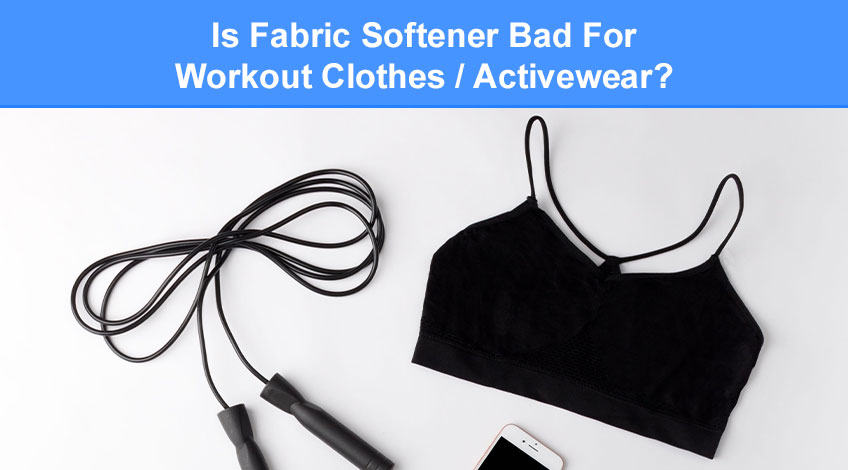
Many of us still use a fabric softener out of nothing more than habit or tradition. But you need to ask yourself, is fabric softener bad for workout clothes?
Workout clothes or active wear is designed differently to regular clothes. In as much as it is designed to stretch, wick away moisture and in some cases be waterproof. This means you shouldn’t treat active wear in the same way as you do the rest of your clothes when it comes to washing them.
What Is Workout Wear/Active Wear?
Workout wear is typically made from polyester or one of the other synthetic materials. These fabrics are designed to wick moisture away from the skin and transfer it to the outside of the clothing where it can evaporate.
This keeps the skin at a reasonable temperature, dryer and less likely to chafe or become uncomfortable. It does this by having minute pores or holes in the fabric which are designed to remove moisture.
The other material often used in active wear is wool or smart wool. This fabric doesn’t wick moisture away. Instead it absorbs it and as it has a high absorption rate, it can keep you dry longer.
Then there are leggings which are often made from blended fabrics of cotton and lycra or polyester. Some include spandex for more stretchability.
What Is Fabric Softener & What Is it For?
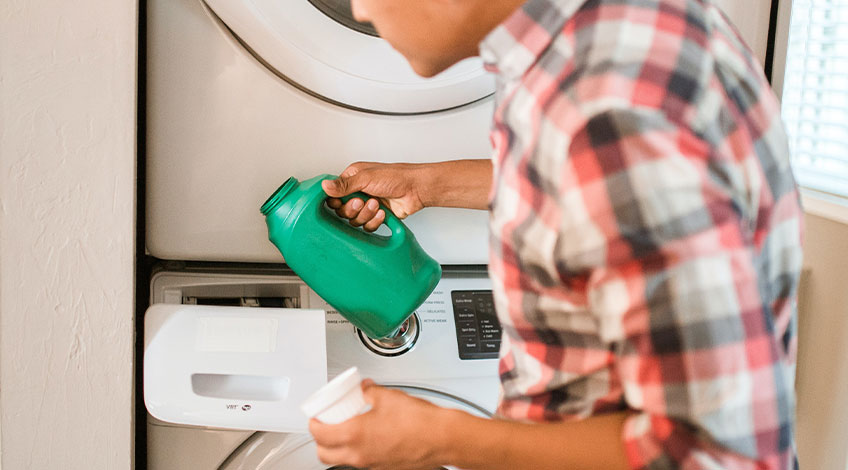
Fabric softener is made from a combination of various chemicals that are designed to soften fabric, reduce static and leave behind a pleasant fragrance. It does this by coating the fibres of the materials in a silicone oil-based substance that smoothes the fibres.
There are two types of fabric softener which are liquid fabric softener and dryer sheets.
Liquid Fabric Softener
Liquid fabric softener is designed for use in the washing machine and is added during the rinse cycle. You either measure out a specific amount or there are now pods available which are already measured into the correct dosage.
Dryer Sheets
Dryer sheets are made from non-woven plastic sheets that are coated with the same or a very similar fabric softener as the liquid type. The softener gets released once the temperature reaches a certain point.
Why Do Fabric Softeners Get Such Bad Press?
The chemicals used to make both types of fabric softener can be detrimental to health and the well being of the planet. With some pretty serious conditions linked to some of the chemicals used in fabric softeners. Including;
- Ethanol
Which has links to disorders affecting the central nervous system. - Hexylene Glycol
There are links with eye irritations, skin allergies and breathing problems with hexylene glycol.This is one of the main irritants associated with fabric softeners. - Benzyl Alcohol
This has been linked with many coughs, breathing issues and asthma. - Glutaraldehyde
Also known as glutaral, this chemical is said to have been the cause of many skin allergies as well as asthma. - Benzyl Acetate
There have been links between benzyl acetate and pancreatic cancer.
To reduce static, fabric softeners also use compounds called quaternary ammonium compounds (quats). These quats have been linked with skin allergies, respiratory issues, anaphylactic shock and reproductive issues.
Environmental Concerns
Then there’s the effect that these chemicals have on our wildlife. As the residue from fabric softeners get flushed away down the drain, it enters our water courses. Our rivers, streams and oceans get affected by these chemicals.
Many of which do not biodegrade which means they live on for many years and are harmful to fish, invertebrates, plant life and algae. This then has a knock on effect on birds and animals that rely on that waterway for survival.
Many rivers and oceans have “dead zones” caused by a buildup of these harmful chemicals.
Many clothes nowadays are treated with a fire retardant as a safety measure. Over time fabric softener builds up on the fabric and coats the fire retardant. Many of the chemicals in fabric softener are flammable and you can see where this could be problematic.
Is Fabric Softener Bad For Workout Wear/Activewear?
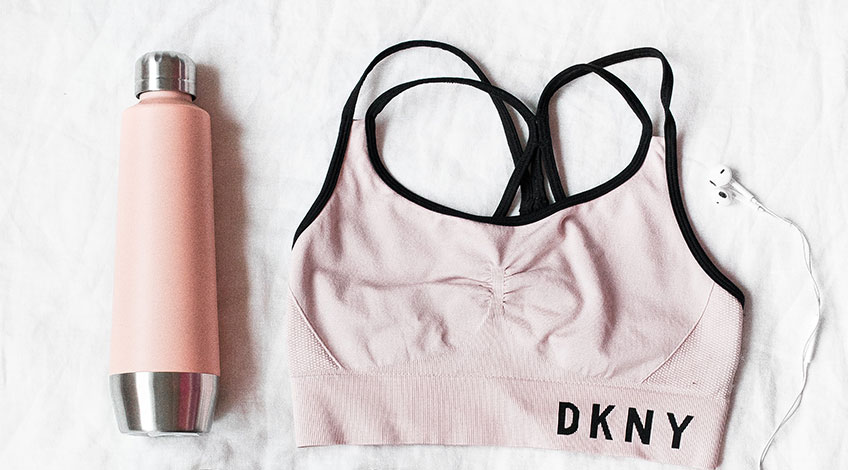
Now we have a better idea of both the nature of the fabrics used to make our workout wear and active wear and fabric softeners we can better understand the potential problems when combining the two.
As we saw earlier, most workout wear and activewear is designed to wick moisture away from the skin and evaporate on the surface of the fabric.
We also saw how the fabric softener coats the fibres in a chemical substance that smoothes the fibres and leaves a pleasant smelling fragrance.
The problem is, that coating clogs the microscopic holes in the fabric and prohibits the wicking process. Which means the clothes are no longer able to remove moisture. Worse still, as the fibres get coated they get any odours sealed into the fabric. Which means the workout wear or active wear don’t get clean and hold onto any bad smells from sweat etc.
When it comes to wool blends, the fabric softener coats the wool fibres preventing them from absorbing moisture and leading to them not being able to get washed clean.
So, when it comes to workout wear, activewear or leggings it’s always best to not use fabric softener.
What Can You Use Instead Of Fabric Softener?
As fabric softener is not a good idea to use with workout wear or activewear and yet you’re still going to want those items to feel soft, you’ll be glad to know there are alternatives. Which include;
White Vinegar

- PERFECT FOR COOKING - Use in vinaigrettes, sweet-and-sour dishes, marinades, pickles, chutneys, and butter sauces. Or infuse with fresh herbs to make flavoured vinegar. Whatever the occasion our Fresh White wine vinegar will be perfect.
- FABRIC SOFTENER - This white vinegar is perfect for households that have pets and children around as well as commercial premises where health and safety is of paramount importance
Add ½ a cup of white vinegar to the rinse cycle when washing your workout wear or activewear to naturally soften the fabric whilst helping the colours to stay fast.
Bicarbonate Of Soda

- ECO-FRIENDLY: Sodium Bicarbonate / Baking Soda is one of the top eco-friendly , safe and inexpensive cleaning, baking and household products available.
- CLEANING: Baking Soda is particularly useful in food preparation, cleaning surfaces, ovens, grills, microwaves and fridges whilst also deodorising and freshening without leaving any harsh chemical smells.
Bicarbonate of soda has many good uses around the home and helping to soften laundry is one of them.
Just add ½ a cup in with the wash to soften the water and your workout wear/activewear.
Wool Dryer Balls

- 🌍 𝐄𝐂𝐎-𝐅𝐑𝐈𝐄𝐍𝐃𝐋𝐘 & 𝐒𝐔𝐒𝐓𝐀𝐈𝐍𝐀𝐁𝐋𝐄 𝐋𝐀𝐔𝐍𝐃𝐑𝐘 𝐒𝐎𝐋𝐔𝐓𝐈𝐎𝐍: Made from 100% premium New Zealand wool and hand-felted in Nepal, these reusable wool dryer balls are a natural alternative to dryer sheets and plastic balls—perfect for zero-waste and green living households
- ⚡ 𝐅𝐀𝐒𝐓𝐄𝐑 𝐃𝐑𝐘𝐈𝐍𝐆 𝐓𝐈𝐌𝐄, 𝐋𝐎𝐖𝐄𝐑 𝐄𝐍𝐄𝐑𝐆𝐘 𝐁𝐈𝐋𝐋𝐒: Designed to absorb excess moisture and improve hot air circulation, these extra-large dryer balls reduce drying time by up to 40%, helping you save on electricity with every load
Instead of using dryer sheets in the tumble dryer, use wool dryer balls. These will bounce around the drum colliding with your clothes and naturally break down any clumps of hard fibres.
An added bonus is drying times will be reduced by at least 25% when using wool dryer balls. Also wool dryer balls reduce static and wrinkling & creasing.
If you don’t have any wool dryer balls, you can use clean tennis balls instead.
How To Wash Workout Wear/Activewear
Because workout wear and activewear clothes get dirty and sweaty you might think that the best way to wash them would be in a hot wash. However that would be wrong, a hot wash will damage the fabrics and can cause them to become misshapen and reduce elasticity.
Instead you should use a cold water wash on a gentle cycle. Modern detergents are far better at cleaning clothes at low temperatures and to be sure of removing bacteria we also recommend using a laundry sanitiser as well.
You can also buy sports detergents that are specifically designed for washing all sports clothing and gym gear. Here are some of the more popular sports detergents;
Grangers Active Wash
No products found.
This product is designed to deal with the dirt and smells that are associated with sportswear.
Halo Proactive Sports Wash Liquid
No products found.
This non-biological detergent is designed specifically for sportswear and is effective even at 30 degrees C.
Ecozone Proactive Sports Wash
No products found.
This product is specifically designed for use with sportswear and is vegan, non-toxic, eco-friendly and gentle on the skin.
You should also always turn your workout clothes and activewear inside out before washing to help maintain their colour.
When it comes to drying your exercise clothes, you should opt for air drying whenever possible as the heat and rough action from a tumble dryer will not do the fabrics much good either.
However, if you need to use a tumble dryer it should be on a delicate cycle at low temperatures.
As most of these types of clothes are made from synthetic materials, they won’t need ironing either. In fact, you should keep the iron as far away as possible.
By using a cold water wash and air drying your workout wear and activewear, you will ensure it lasts far longer.
SEE ALSO: Is Fabric Softener Bad For Your Washing Machine?
Frequently Asked Questions
You should never use fabric softener on activewear or sportswear. It coats the fibres preventing them from wicking moisture away. It also will leave streaks on the fabric.
Fabric softener does ruin gym clothes. It clogs up the minute pores in the fabric that are used to wick moisture away from the skin. It also prevents clothes from getting fully clean once it builds up.
Fabric softener is bad for leggings which are usually made from a synthetic fabric. The fabric softener will clog the pores of the leggings, making them no longer able to wick away moisture. Plus fabric softener can damage the elasticity of the fabric.
Also, follow us on Pinterest ...