Is Your Mattress Really Clean? Here’s How to Tell
Ever lie down at night and wonder what’s lurking in your mattress? You wash your sheets religiously and keep your bedroom tidy, but when did you last think about what’s happening inside that thick layer of fabric and foam where your family spends eight hours every night?
The uncomfortable truth is that most mattresses are far from clean, even in the most well maintained homes. They’re silently collecting dead skin cells, dust mites, sweat, and allergens that can affect your family’s health and sleep quality. But here’s the reassuring news: you can easily tell if your mattress needs attention and take simple steps to create a healthier sleeping environment for everyone in your household.
Whether you’re dealing with mysterious nighttime sneezing, wanting to reduce allergens for sensitive family members, or simply ensuring your investment lasts as long as possible, these telltale signs and proven cleaning methods will help you reclaim your bedroom as the clean, restful sanctuary it should be.
Sign #1: Visible Stains And Discolouration
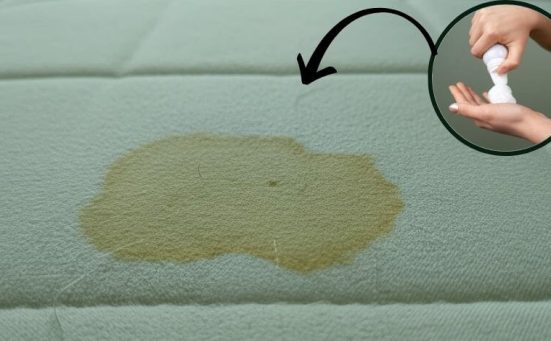
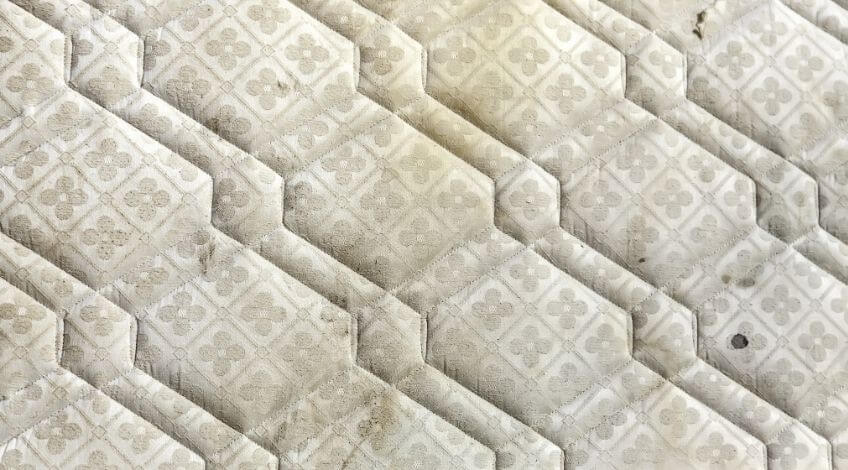
The most obvious indicator of an unclean mattress is visible staining. Look for yellow or brown patches, which typically indicate sweat, body oils, or spilled drinks that have soaked through your bedding over time. These stains aren’t just unsightly; they create the perfect breeding ground for bacteria and dust mites.
What You Can Do About It:
- Mix one cup of hydrogen peroxide, three tablespoons of bicarbonate of soda, and a few drops of washing up liquid in a spray bottle
- Spray the solution onto a microfibre cloth rather than directly onto the mattress to avoid oversaturating
- Gently dab the stain, working from the outside in to prevent spreading
- For older stains, let the solution sit for 10 to 15 minutes before blotting with a clean, damp cloth
Sign #2: Persistent Musty Or Sour Odours
A clean mattress should smell neutral, not musty, sour, or stale. If you detect any unpleasant odours when you strip your bed, especially that distinctive “old” smell, your mattress has absorbed moisture and organic matter that’s breaking down inside.
What You Can Do About It:
- Sprinkle a generous layer of bicarbonate of soda across the entire mattress surface
- Let it sit for at least 8 hours, preferably overnight to absorb odours and moisture
- For severe odours, mix a few drops of essential oil (like lavender or tea tree) with the bicarbonate of soda before sprinkling
- Vacuum thoroughly afterwards using your upholstery attachment, making multiple passes to remove all residue
Sign #3: Increased Allergy Symptoms At Night
Are you or your family members waking up with stuffy noses, itchy eyes, or unexplained sneezing fits that seem worse in the morning? Your mattress could be harbouring millions of dust mites and their waste products, which become airborne every time you move during sleep.
What You Can Do About It:
- Strip your bed completely and vacuum the entire mattress surface with the upholstery attachment
- Pay special attention to seams and crevices where dust mites love to hide
- Steam clean if you have access to a steamer, as temperatures above 60oC (140°F) kill dust mites effectively
- Wash all bedding in hot water (at least 60°C) to eliminate any remaining allergens
- Invest in dust mite proof mattress and pillow covers for ongoing protection
- Keep bedroom humidity below 50% using a dehumidifier if necessary
Sign #4: Unusual Texture Changes Or Dampness
Run your hands over your mattress surface. Does it feel bumpy, uneven, or slightly damp in places? These texture changes often indicate moisture buildup, which creates perfect conditions for mould and mildew growth within the mattress layers.
What You Can Do About It:
- First, identify and eliminate the moisture source (high humidity, poor ventilation, or water damage)
- Use a fan to improve air circulation around the mattress
- Consider a dehumidifier for the room to reduce overall moisture levels
- If you detect mould, create a solution of equal parts white vinegar and water
- Spray lightly on affected areas and allow to air dry completely
- For severe mould issues, professional cleaning or replacement may be necessary
Sign #5: Tiny Dark Spots Or Gritty Feeling
Check your mattress for tiny dark spots, reddish brown stains, or a slightly gritty feeling when you run your hand across the surface. These are telltale signs of dust mite waste or blood spots that indicate a significant mite population.
What You Can Do About It:
- Vacuum the mattress thoroughly to remove visible debris and waste
- Use steam cleaning to kill remaining mites and their eggs
- Create a natural mite deterrent spray: 2 cups distilled water, 1 cup white vinegar, and 10 drops eucalyptus oil
- Spray lightly over the mattress surface and allow to air dry completely
- Repeat this treatment monthly for ongoing protection
- Always use mattress protectors that can be washed weekly in hot water
Sign #6: Waking Up With Unexplained Skin Irritation
If you’re experiencing rashes, itchy skin, or other unexplained irritation that seems worse after sleeping, your mattress may be harbouring bacteria, allergens, or even bed bugs that are affecting your skin during the night.
What You Can Do About It:
- Inspect the mattress carefully for signs of bed bugs (small blood spots, dark faecal stains, or actual insects in seams)
- If bed bugs are present, contact a professional pest control service immediately
- For general bacterial buildup, use the hydrogen peroxide cleaning solution from Sign #1
- Follow up with thorough steam cleaning to sanitise the surface
- Allow complete air drying before replacing bedding
- Consider replacing very old mattresses that may have accumulated too many irritants to clean effectively
Sign #7: Poor Sleep Quality Despite Comfort
If your mattress feels physically comfortable but you’re still experiencing restless sleep, frequent waking, or feeling unrefreshed in the morning, hidden allergens and poor air quality around your mattress could be the culprit.

What You Can Do About It:
- Vacuum the mattress thoroughly and steam clean if possible
- Wash all bedding and pillows in hot water to eliminate allergens
- Improve bedroom air quality with an air purifier equipped with a HEPA filter
- Ensure proper ventilation and maintain humidity levels between 30 to 50%
- Consider switching to hypoallergenic bedding materials
- Replace old pillows that may be harbouring allergens despite regular washing
Sign #8: Mattress Feels Heavier Than Usual
Over time, mattresses can actually gain weight from the accumulation of dead skin cells, dust mites, and absorbed moisture. If your mattress feels noticeably heavier when you flip or rotate it, it’s carrying a significant load of unwanted material.
What You Can Do About It:
- Start with thorough vacuuming of all surfaces, including the sides and underneath if possible
- Use the bicarbonate of soda treatment for several hours to draw out moisture and odours
- Steam clean to sanitise and kill microorganisms that add to the weight
- If the mattress is very old and still feels heavy after cleaning, it may be time to consider replacement
- Future prevention: use mattress protectors and rotate/flip regularly to prevent uneven accumulation
Sign #9: Family Members Snore More Than Usual
Increased snoring can indicate nasal congestion caused by allergens in your sleeping environment. Dust mites, mould spores, and other mattress born irritants can cause inflammation in nasal passages, leading to breathing difficulties during sleep.
What You Can Do About It:
- Use steam cleaning to kill dust mites and mould spores that cause nasal congestion
- Follow up with the bicarbonate of soda treatment to remove remaining allergens
- Install an air purifier in the bedroom and ensure proper ventilation
- Wash all bedding weekly in hot water and use allergen proof mattress and pillow covers
- Consider replacing very old mattresses that may be beyond effective cleaning
- Monitor snoring levels after cleaning to see if there’s improvement
Sign #10: Feeling Tired Despite Full Night’s Sleep
If you’re getting your recommended 7 to 9 hours of sleep but still feeling exhausted, poor air quality from your mattress could be disrupting your sleep cycles without you realising it. Allergens and bacteria can cause low level inflammation that affects sleep quality.
What You Can Do About It:
- Deep clean your mattress using all the methods above: thorough vacuuming, stain removal, bicarbonate of soda treatment, and steam cleaning
- Focus on maintaining cleanliness with monthly light cleaning and weekly bedding changes
- Use an air purifier and maintain optimal humidity levels in the bedroom
- Track your sleep quality after cleaning to monitor improvement
- If tiredness persists after thorough cleaning, consider consulting a sleep specialist
Creating A Healthier Sleep Environment For Your Family
Recognising these warning signs and taking action isn’t just about mattress maintenance; it’s about protecting your family’s health and ensuring everyone gets the restorative sleep they need. A clean mattress contributes to better respiratory health, fewer allergy symptoms, and more restful nights for everyone in your household.
Remember that some situations may require professional help or mattress replacement. Don’t hesitate to invest in your family’s health and sleep quality when cleaning methods aren’t sufficient to resolve persistent problems.
Most importantly, prevention through quality mattress protectors, regular bedding changes, and proper bedroom ventilation will keep your mattresses cleaner for longer, saving you time and ensuring your family sleeps in the healthiest environment possible.
Share these insights with other families who care about creating healthy homes. After all, quality sleep is one of the foundations of good health, and it starts with a truly clean mattress!
SEE ALSO: This Simple Toilet Paper Hack Will Make Your Bathroom Smell Amazing
Also, follow us on Pinterest ...