
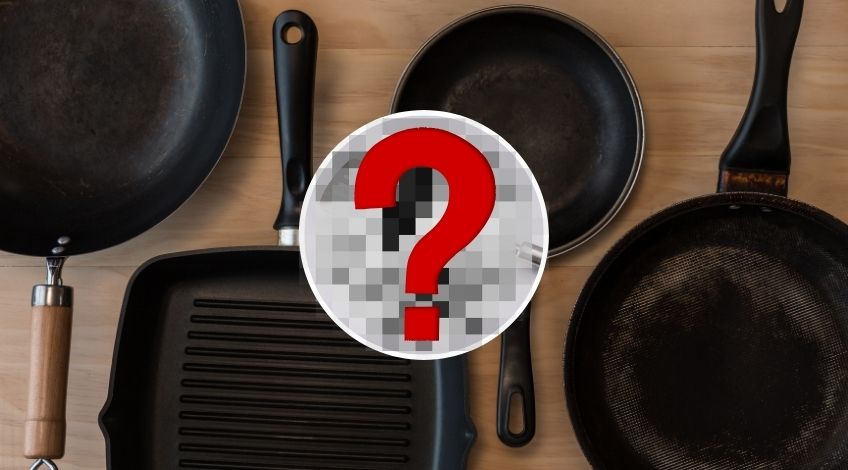
The Kitchen Tool That’s Secretly Ruining Your Non Stick Pans
Non stick pans are a kitchen essential in most British homes. They make it easy to cook eggs, pancakes and fish without sticking and cleaning up is usually a breeze.
But if your favourite frying pan has started to flake, scratch or lose its slick surface, it might not be old age or poor quality to blame.
There’s one common kitchen tool that’s secretly doing damage every time you use it. Most people don’t realise just how quickly it can wear down even the best non stick coating.
In this guide, we’ll reveal what it is, why it causes harm and what to use instead to keep your pans in top condition.
What Kitchen Tool Is Ruining Your Non Stick Pans?
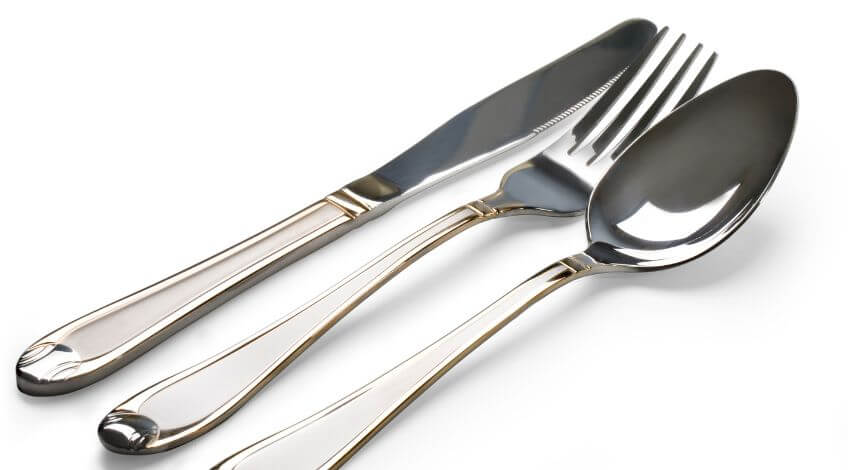
The biggest culprit is the metal utensil. Whether it’s a metal spatula, spoon or fork, these everyday tools can scratch and weaken the non stick coating on your cookware.
Even if you’re gentle, the sharp edges and pressure of scraping or stirring with metal can slowly chip away at the surface.
At first, you might only see tiny scratches but over time these turn into bigger problems. The coating starts to flake off, food sticks more easily and eventually your once reliable pan becomes unusable.
If you’ve ever noticed black flakes in your scrambled eggs or rough patches in your frying pan, chances are metal tools are the reason.
Why Non Stick Coatings Are So Easy To Damage
Non stick pans are coated with materials like PTFE (commonly known by the brand Teflon).
These coatings are designed to prevent food from clinging to the surface. They’re incredibly handy, but they’re also delicate especially when exposed to high heat or rough tools.
In the UK, most non stick pans are meant for use with low to medium heat and soft utensils. But if you use metal on them, even occasionally, you’re applying concentrated pressure on a thin layer of coating.
Once that coating is scratched, it opens the door to more damage every time you cook. Oils and food particles settle into those scratches and heat only makes things worse.
How To Tell If Your Pan Has Been Damaged
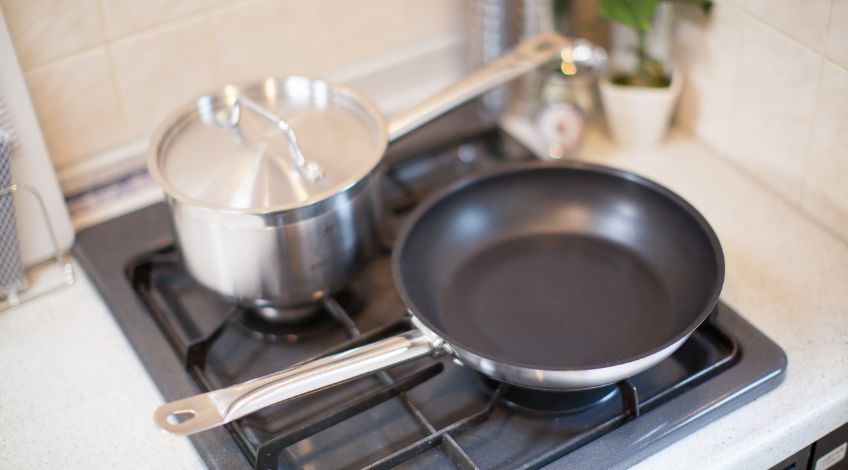
Here are some signs that your non stick pan has suffered from utensil damage:
- Scratches that weren’t there when you bought it
- Dull patches where the non stick finish has worn away
- Food sticking more than usual during cooking
- Black flakes showing up in your food
- Uneven heat spots or a rough texture across the surface
Once you spot any of these issues, it’s time to change how you’re using your utensils or consider replacing the pan if the damage is too far gone.
Are Damaged Non Stick Pans Still Safe To Use?
This depends on how badly the coating has worn off. Most non stick pans sold in the UK are PFOA free, which means they don’t contain the harmful chemicals once found in older pans.
However, if the coating is flaking into your food or the surface is heavily scratched, it’s best to stop using it.
Eating small bits of coating isn’t toxic in small amounts, but a badly scratched pan can release fumes if overheated, especially at high temperatures. Plus, it’s just not pleasant to find black bits in your breakfast.
If your pan is beyond saving, it’s safer to buy a new one and use the right tools from the start.
Best Utensils To Use On Non Stick Pans Without Causing Damage
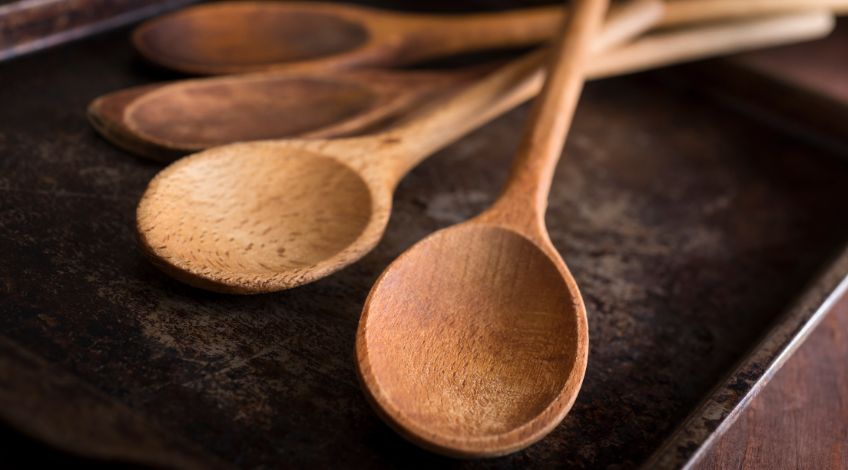
To protect your non stick pans and get the longest life out of them, ditch the metal and switch to:
- Silicone utensils – flexible, heat resistant and perfect for stirring or flipping
- Wooden spoons – gentle on pans and great for everyday cooking
- Plastic or nylon spatulas – soft edges that won’t scrape coatings
- Bamboo utensils – lightweight and eco friendly
How To Care For Non Stick Pans And Keep Them Looking New
Looking after your non stick pans properly can make a big difference to how long they last.
One of the most important things is to avoid high heat. Most non stick cookware in the UK is designed for low to medium temperatures. Overheating can weaken the coating and make it less effective.
You should also steer clear of scouring pads or steel wool, as these will scratch the surface just as badly as metal utensils. Instead, use a soft sponge with warm water and washing up liquid to clean your pan gently after each use.
It’s best to avoid cooking sprays too, as they often leave behind a sticky residue that builds up over time.
When storing your pans, don’t stack them directly on top of each other. Place a tea towel or pan protector between them to stop the surfaces from getting scratched.
With just a few simple changes to your routine, you can keep your non stick pans looking clean, smooth and working like new for years to come.
Don’t Keep This Pan Saving Tip to Yourself!
This everyday kitchen mistake is more common than you think. Share this with your friends and family so they can stop ruining their pans without realising it.
SEE ALSO: Is the Salt Hack for Nonstick Pans Worth It? I Tried It So You Don’t Have To
Also, follow us on Pinterest ...