If your laundry comes out the washer dripping wet, check THIS immediately
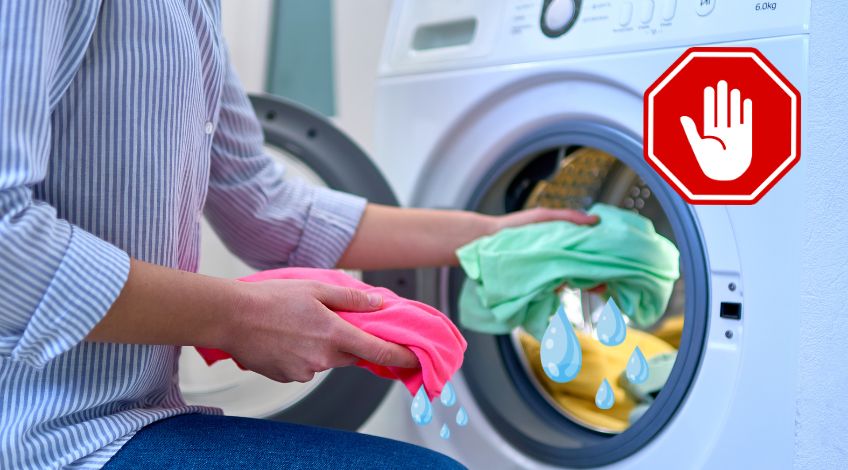
There’s nothing worse than pulling your laundry out of the washer only to find it dripping wet and heavier than a soggy dog on a rainy day. Or your laundry is wetter than a swim team’s towels after the cycle has ended.
So, what’s going on? Is your machine on strike? Don’t panic just yet. This soggy situation usually has a simple explanation, and the quicker you act, the sooner you can save the day (and your laundry).
Time is of the essence, because no one has time for wet clothes dripping all over the floor! Read on for the most likely culprits and how to fix them fast.
What Do You Need To Do If Your Laundry Leaves The Machine Wetter Than A Bank Holiday Weekend
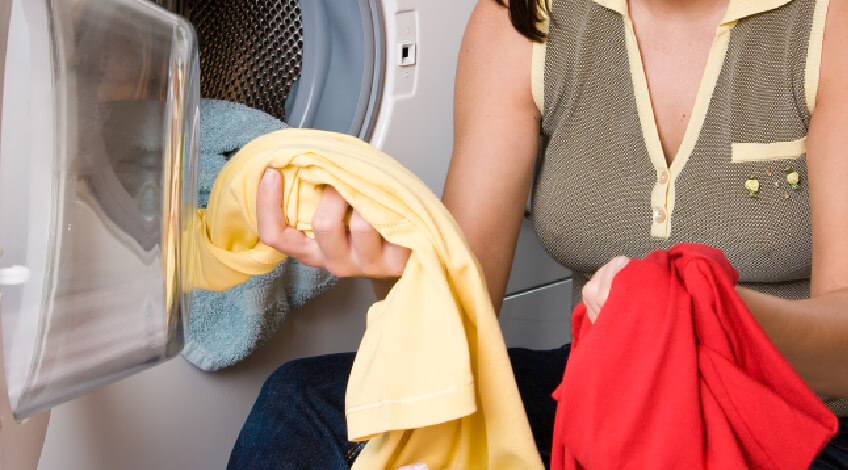
Obviously, something’s gone wrong and the culprit has to be your washing machine, there can be no doubt about that. Below we’ve listed all of the problems that could cause this laundry crisis so you can solve this issue and get on with your day. They include;
Check The Cycle
Washing machines are clever these days, offering more programmes than a TV guide. But some cycles, like the no-spin or no-drain options, are designed to leave your clothes wetter than a puddle jumper.
Double check your settings before blaming the machine. If the wrong programme is the culprit, consider it a lesson learned: always read the labels… and the manual.
Check For Overloading
We get it, time is precious, and stuffing the drum to the brim feels efficient. But it’s not. Overloading is like trying to run a marathon in flip flops, it’s just not going to work.
Your machine can’t spin properly if the drum is bursting with clothes, which means water won’t get spun out, leaving your laundry wetter than ever. Keep the load to about three quarters full, and your machine (and clothes) will thank you.
If this is the problem with your machine, congrats…you’re not alone. This is the most common cause of wet loads leaving the washer.
Is The Load Imbalanced
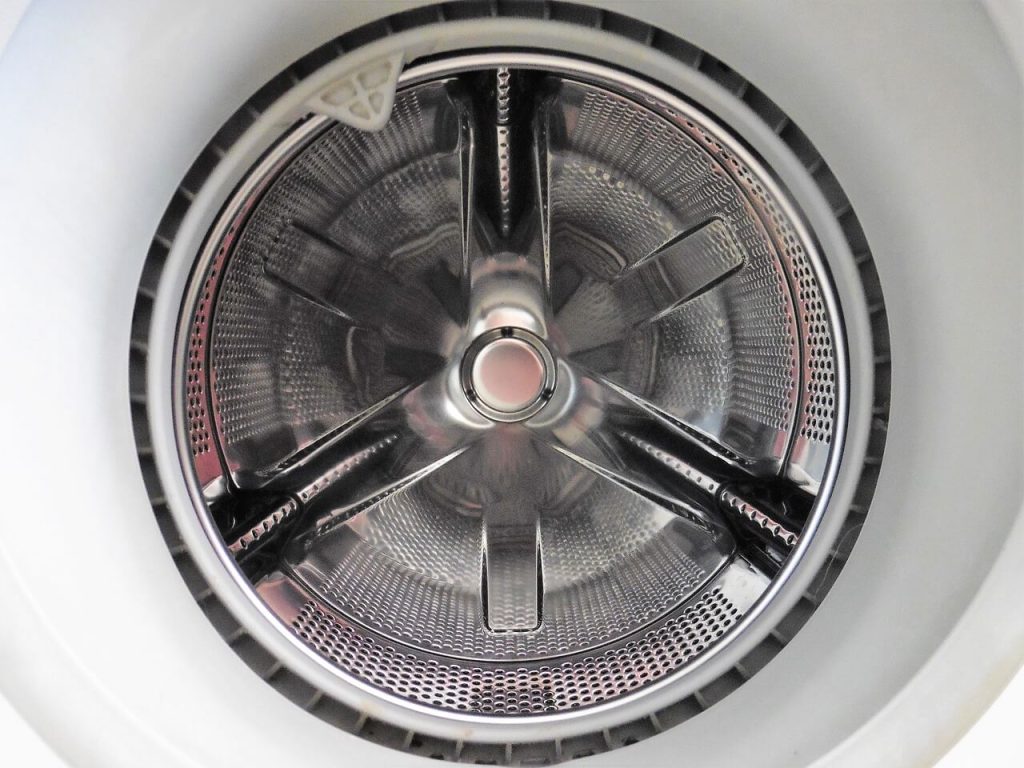
If you’re washing large items, like duvet covers or bath mats, they can clump together in the drum, throwing it off balance. Your washer might stop mid cycle as a safety precaution, leaving your clothes unspun.
You can solve this by throwing in a few smaller items to even things out. Think of it as teamwork… socks, meet the duvet.
Is The Drain Hose Blocked?
If your washing machine can’t drain water, it’s a recipe for a soggy disaster. A kinked or blocked drain hose is a common culprit.
Inspect the hose for bends, blockages, or rogue socks that somehow made their way inside. A plumber’s snake (or even a straightened coat hanger) can help clear out stubborn obstructions.
Check The Drain Pump Filter For Clogs?
Every washing machine has a drain pump filter, usually lurking near the bottom. This little treasure chest often collects coins, hairpins, and the odd bra wire. Anything trapped in the filter can cause a blockage and prevent water from leaving the drum.
Grab your manual, locate the filter, and give it a good clean. Place a bowl and a towel under the filter before removing because things could get wet.
While you’re there, check the pump for any signs of damage and spin the impeller by hand to check that it can move freely. If the pump is damaged, it’s time to call in an engineer.
Has The Drive Belt Worn Out?
The drive belt connects your washer’s motor to the drum. If it’s worn or loose, it can slip or even snap, leaving your drum barely spinning (or not at all).
This is a bit more technical to fix and best left to a professional unless you’re confident in your DIY skills. But hey, at least you’ll know what’s wrong when the engineer shows up.
Check Your Power Supply
Running your washing machine on an extension lead? That could be the issue. Extension cords often can’t provide enough juice for the machine to hit top speed spins.
You’ll probably find that your user manual tells you that using an extension cord voids your washer’s warranty. Plug your washer directly into a wall socket and let it work its magic without interruptions.
Washer Dryers Have Their Own Unique Problems

If you’ve got a washer/dryer combo and your clothes aren’t drying properly, it’s time to go on an extra hunt;
Clogged Lint Filter
Lint filters, often found on the door rim, are notorious for trapping fluff, fibres, and who knows what else. Clean it after every use to keep things running smoothly.
If you haven’t been doing this, expect the machine to struggle like a cat in a rainstorm.
Clogged Condenser Filter
For machines with condensers or heat pumps, there’s an extra filter that needs regular TLC. If this gets blocked, drying times will drag on and on.
Some washer/dryer combos have a filter warning light that lets you know when it needs clearing. But don’t rely on it because some don’t have a warning light or a symbol and even those that do, it often doesn’t work.
Check and clean the filter periodically, your clothes (and energy bill) will be much happier.
Don’t Let A Soggy Laundry Day Ruin Your Week
With these quick checks and fixes, you’ll soon have your washing machine back on its A-game. Whether it’s a clogged hose, a mismatched load, or a sneaky lint filter, the solutions are simple, and mostly DIY friendly.
So, roll up your sleeves and banish soggy laundry days for good! And don’t forget to share this with anyone you think might benefit from reading it.
SEE ALSO: The 10 minute hack everyone’s using to make white socks brighter than ever
Also, follow us on Pinterest ...