Lettuce Going Bad Too Quickly? Here’s What You’re Doing Wrong
It’s a common kitchen problem. You buy a fresh bag of lettuce or a full head, only to find it wilted or soggy just a few days later.
But the truth is, many people are unknowingly storing and handling their lettuce the wrong way. Simple changes to how you handle it from the moment you get home can keep it crisp and usable for much longer.
If your lettuce never seems to stay fresh, this guide will help you spot what’s causing the problem. These everyday mistakes could be why it spoils so quickly.
Washing Lettuce at the Wrong Time Makes It Spoil Faster
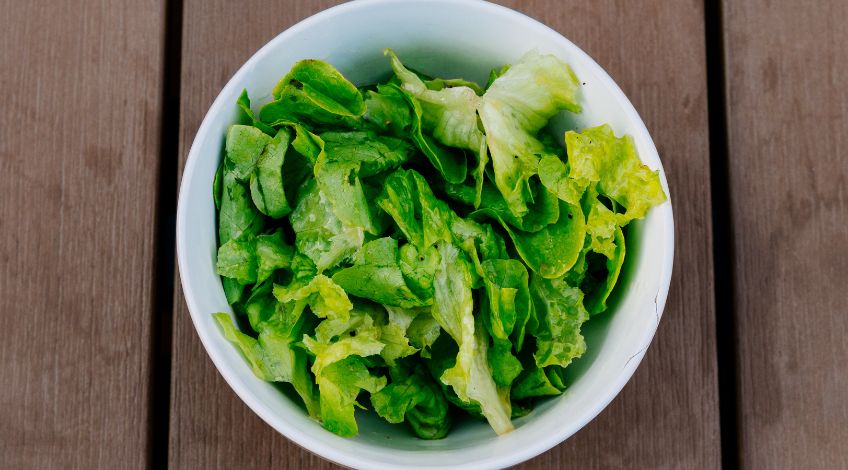
Most people wait until they are about to prepare a meal before washing their lettuce.
While that might sound like a good idea, doing so can shorten its life. By the time you wash it, bacteria or leftover dirt may have already caused damage.
A better way is to give your lettuce a quick clean once you bring it home.
Remove any tired or damaged leaves and rinse the rest in cold water. Once washed, dry the leaves gently using a clean tea towel or a salad spinner.
Damp leaves cause quicker spoilage, so drying them properly is just as important as washing them.
Foods You Store Next to Lettuce in the Fridge
Even if you store it carefully, your lettuce can spoil faster if it’s near certain types of fruit.
Apples, tomatoes, pears and bananas release a natural gas as they ripen, which affects nearby produce.
Lettuce is sensitive to this and may wilt or brown sooner when kept in the same drawer. The best option is to store your lettuce in a separate part of the fridge.
If your fridge has a drawer labelled for salad or vegetables, use that space and avoid mixing it with fruit whenever possible.
Best Way to Store Lettuce in the Fridge Without It Going Soggy

One of the biggest mistakes is sealing lettuce inside airtight plastic bags or containers. Without air, moisture builds up and causes it to go soft or slimy.
Lettuce does best when stored in a way that allows a bit of airflow while still staying cool. A reusable container lined with a dry cloth or kitchen paper works well.
It’s also helpful to place a few extra sheets between the layers of leaves to soak up any leftover moisture.
If you prefer using bags, avoid tying them shut. Leave a small opening to let some air in and reduce the risk of rot.
How to Bring Limp Lettuce Back to Life Quickly
Don’t throw out your lettuce just because it looks a little soft. If the leaves are still clean and not slimy, they can often be brought back to life with a short soak in cold water.
Simply place the lettuce in a bowl of cold water for ten minutes. Adding a few ice cubes makes it even more effective. After soaking, dry the leaves thoroughly before putting them back in the fridge.
This trick works especially well with thicker lettuces and can save you from wasting food that is still perfectly fine to eat.
Can You Freeze Lettuce and Still Use It Later?

If you’ve got more lettuce than you can use, freezing it might help you avoid throwing it out.
However, frozen lettuce is not suitable for salads. Once defrosted, its texture changes and becomes much softer. You can still use it in cooking, such as in soups, sauces or even smoothies if you enjoy a green boost.
To freeze, wash and dry the leaves first. Store them flat in a freezer safe bag or puree them and pour into ice cube trays for easy portions.
While it’s not the perfect fix, it can be a useful way to make the most of your leftovers.
Know Someone Struggling With Wilted Lettuce? Share These Tips!
These practical tips are great for cutting down waste and keeping salad ingredients crisp for longer. Share them online to help others store lettuce properly and avoid throwing it away too soon.
SEE ALSO: How Long Is Too Long? The Freezing Guide That Saves Food & Money
Also, follow us on Pinterest ...