Your Microfibre Towels Aren’t Absorbing Like They Used To? Here’s Why!
Is your trusty microfibre towel not soaking up spills like it once did? Don’t worry, we’ve all been there!
Whether you’re a cleaning fanatic who relies on these miracle cloths for daily chores or you’ve switched to them as a sustainable alternative to paper towels, there’s nothing more annoying than when your go to cleaning buddy stops doing its job properly.
The good news? Those beloved microfibre towels can absolutely be brought back to life with the right care. Let’s chat about why they lose their superpowers and how to get them working like new again!
What Makes Microfibre Towels So Special?
Let’s be real, these aren’t just ordinary cloths. Microfibre towels are pretty amazing little inventions, packed with millions of tiny synthetic fibres that create an incredible surface area for trapping dust, dirt, and moisture.
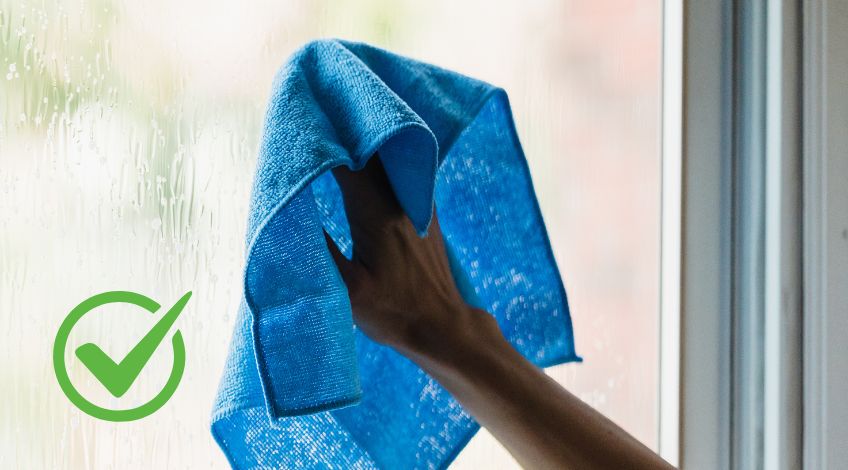
When they’re working properly, a single microfibre cloth can replace absolutely loads of paper towels, making them the ultimate choice if you’re trying to cut down on household waste. For cleaning enthusiasts, they’re brilliant for getting streak free results on mirrors and glass, and they pick up dust without just moving it around your home.
Why Your Microfibre Towels Lose Their Absorbency
1. Fabric Softener Is The Number One Enemy
The biggest culprit behind poorly performing microfibre? That innocent looking fabric softener! Those lovely smelling liquid softeners and dryer sheets make your clothes feel soft and fluffy, but they’re absolutely terrible for your cleaning cloths.
Why cleaning enthusiasts should care: Fabric softener coats all those microfibres with a waxy residue that blocks the tiny gaps between fibres, stopping them from trapping dust and soaking up liquids. Nothing worse than tackling a big cleaning job and finding your favourite tools aren’t up to scratch!
Why eco conscious users should care: When your microfibre towels stop working properly, you might end up reaching for disposable alternatives, completely defeating the purpose of going green with your cleaning routine. Proper care ensures you can keep using the same towels for years, keeping waste to a minimum.
2. Heat Damage From Tumble Drying
Those super fine synthetic fibres really don’t like heat. They start to break down and melt when exposed to high temperatures, which literally destroys the clever structure that makes microfibre so effective.
Cleaning tip: Air drying takes a bit longer, sure, but it will make your cleaning tools last so much longer! If you’re serious about your cleaning and have multiple cloths in rotation, set up a dedicated drying area for your microfibre collection to make the process super easy.
3. Cross Contamination With Regular Laundry
Washing your microfibre with regular clothes and towels is asking for trouble! It leads to lint transfer that clogs up those tiny spaces between microfibres. Cotton is the worst offender because its lint gets stuck deep in the microfibre structure.
For the environmentally conscious: Creating a separate small laundry load just for your microfibre items might seem like a waste of water, but it’s actually more eco friendly in the long run as it prevents you having to replace your cloths before their time.
4. Excessive Detergent Build Up
Using loads of laundry detergent doesn’t make your towels cleaner. In fact, it does the opposite! All that leftover detergent sticks to the fibres, making them rubbish at absorbing.
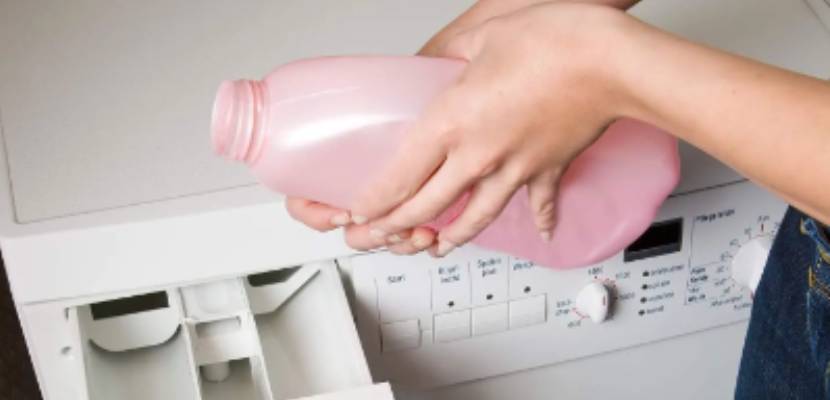
Pro tip for cleaning enthusiasts: Try using half the recommended amount of detergent for your microfibre loads. You’ll be amazed at how clean they get even with less soap!
How To Restore Your Microfibre Towels’ Absorbency
Good news! Even if your microfibre towels have lost their magic, there’s hope. These restoration techniques work wonders on tired cloths:
The Vinegar Revival Method
This simple technique works brilliantly to strip away build up that’s clogging your microfibres:
- Fill your washing machine with warm water (not hot!)
- Add 1 cup of white vinegar (no detergent!)
- Wash your microfibre towels on a regular cycle
- Run an extra rinse cycle to ensure all vinegar is removed
- Air dry completely
Perfect for eco warriors: White vinegar is an environmentally friendly cleaning agent that breaks down residues without harsh chemicals, making this method doubly green.
The Deep Clean Method
For severely clogged microfibre that doesn’t respond to the vinegar treatment:
- Fill a basin with warm water
- Add 1 tablespoon of fragrance free washing up liquid (not detergent)
- Soak towels for 30 minutes, agitating occasionally
- Rinse thoroughly until no soap bubbles remain
- Air dry completely
Cleaning enthusiast’s note: This method is particularly effective for cloths that have been used for greasy kitchen cleaning tasks, as the washing up liquid helps break down oil residues that regular detergent might miss.
The Proper Way To Care For Microfibre Towels
Now that you’ve restored your microfibre towels, let’s make sure they stay in top condition:
1. Always Wash Separately
Keep your microfibre towels away from cotton, wool, and other lint producing fabrics. Either hand wash them or run them in a separate machine load.
Time saving tip for busy cleaners: Keep a small bucket with a lid under your sink to collect used microfibre cloths. When you’ve accumulated enough for a small load, wash them all at once.
2. Use Minimal Detergent
Less is more when it comes to cleaning microfibre. Use about half the recommended amount of mild detergent, and make sure it’s free from additives like fabric softeners and fragrance.
For the eco conscious: Consider using environmentally friendly detergents specifically formulated for technical fabrics, which are designed to rinse clean without leaving residue.
3. Skip The Heat
Always wash in cool or warm water (never hot), and air dry instead of using the tumble dryer. If you must use a dryer, use the lowest heat setting possible.
Cleaning enthusiast’s organisation tip: A small tension rod installed under your sink creates the perfect spot to hang and dry microfibre cloths after washing.
4. Colour Code Your Collection
To prevent cross contamination between cleaning zones, maintain separate cloths for different purposes. For example:
- Blue for glass and mirrors
- Yellow for bathrooms
- Pink for kitchen surfaces
- Green for dusting
This system helps cleaning enthusiasts maintain hygiene standards while extending the life of your microfibre collection by ensuring bathroom cloths don’t end up cleaning kitchen counters!
5. Revive Regularly
Even with proper care, occasional deep cleaning with the vinegar method keeps your microfibre performing at its best. Aim to do this every 10 to 15 washes.
Know When It’s Time To Replace
Even the best maintained microfibre towels don’t last forever. Signs it’s time for replacement include:
- Visible fraying or damage to the edges
- Persistent odour that doesn’t wash out
- Significantly reduced absorbency despite proper cleaning
- Development of rough patches or pilling
For environmentally conscious users: When it’s finally time to retire your microfibre cloths, check with local textile recycling facilities as some now accept synthetic fabrics. Alternatively, they can find new life as pet bedding liners or cleaning rags for particularly dirty jobs like car maintenance.
The Bottom Line On Microfibre Care
Taking proper care of your microfibre towels isn’t just about saving money (although that’s a nice bonus!). For serious cleaning enthusiasts, it ensures you always have effective tools at your disposal. For the environmentally conscious, it reduces waste and maximises the benefits of choosing reusable cleaning supplies.
By following these care instructions, your microfibre collection will remain absorbent, effective, and ready to tackle whatever cleaning challenges come your way!
Share these tips with other cleaning enthusiasts who might be struggling with lacklustre microfibre performance. Your future sparkling surfaces will thank you!
SEE ALSO: No-Fuss Laundry Routine For Tired, Time-Starved Women (Get It Done Fast & Easy)!
Also, follow us on Pinterest ...