Mould, Oil, Bacteria? The Gross Truth About Dirty Coffee Makers
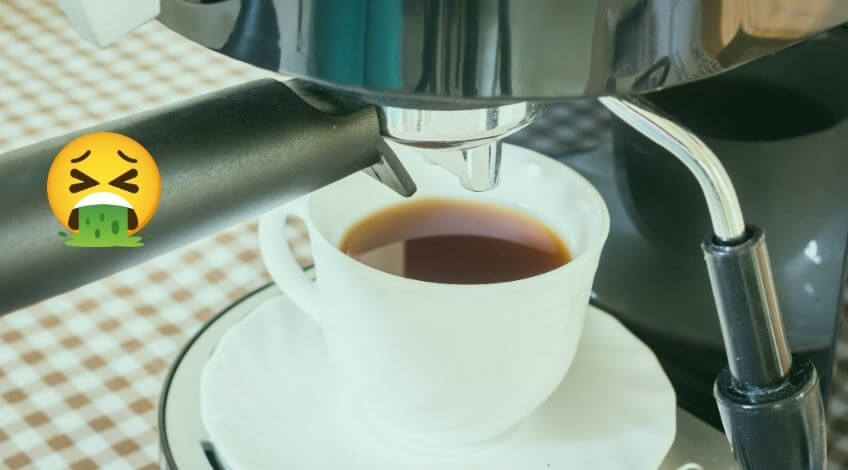
If you’re one of those daily coffee drinkers who relies on that first precious cup to function each morning, you might want to sit down for this one. That trusty coffee maker you use every single day could be harbouring some seriously nasty surprises: mould, rancid oils, and bacteria that would make your stomach turn.
The truth is, your coffee maker is the perfect breeding ground for germs. It’s warm, moist, and gets regular doses of organic matter (coffee grounds and oils). When busy people forget to clean their machines regularly, these conditions create a bacterial paradise that can affect both your health and the taste of your morning brew.
Don’t panic though! With the right cleaning habits, you can keep your coffee maker spotless and your morning ritual safe. Here’s everything you need to know about the hidden horrors lurking in dirty coffee makers and how to banish them for good.
The Hidden Horrors Living In Your Coffee Maker
Your coffee maker might look clean from the outside, but what’s happening inside could shock you. Recent studies have found that coffee makers can harbour more bacteria than some toilet seats! Here’s what could be growing in your machine right now.
Mould Growth In Warm, Damp Conditions
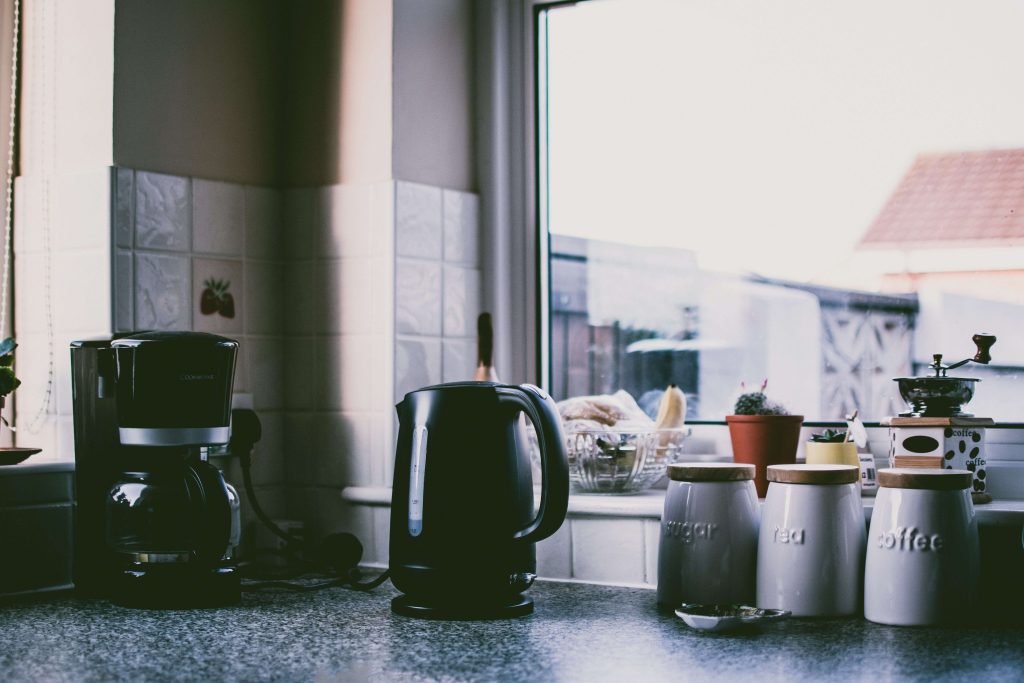
Coffee makers are mould magnets. The warm water reservoir, damp internal tubing, and leftover moisture create perfect conditions for mould spores to flourish. Black mould, in particular, loves the dark, humid environment inside your machine.
This isn’t just about appearances. Mould can release mycotoxins that may cause respiratory problems, allergic reactions, and other health issues. For people with asthma or compromised immune systems, this exposure can be particularly dangerous.
The worst part? You might not even notice the mould until it’s everywhere. It often starts growing in hidden areas like the water lines and internal components, spreading its spores into every cup you brew.
Rancid Coffee Oils Turn Your Brew Bitter
Coffee contains natural oils that give it flavour and aroma. But when these oils sit around in your machine day after day, they turn rancid and bitter. These old oils coat the inside of your coffee maker, creating an unpleasant taste that no amount of fresh beans can overcome.
For busy professionals who rely on their morning coffee to start the day right, this build up of rancid oils can completely ruin the experience. Your expensive coffee beans end up tasting like they’ve been sitting in a garage for months.
These oils also provide food for bacteria and mould, creating a cycle where dirty conditions keep getting worse without proper cleaning.
Bacterial Colonies In The Water Reservoir
Your coffee maker’s water reservoir is like a petri dish for bacteria. Stagnant water, combined with warmth and organic matter from coffee residue, creates ideal conditions for harmful bacteria to multiply.
Some studies have found bacteria levels in dirty coffee makers that exceed safe drinking water standards. E.coli, streptococcus, and other harmful bacteria can thrive in these conditions, potentially causing stomach upset, infections, and other health problems.
This is especially concerning for households with young children, elderly family members, or anyone with health conditions that make them more susceptible to bacterial infections.
When Your Coffee Maker Needs A Deep Clean
Most people who forget to clean appliances regularly don’t realise how often their coffee maker actually needs attention. Here are the warning signs that your machine is overdue for a proper clean.
Daily Cleaning Tasks You’re Probably Skipping
After each use, you should be washing the carafe, brew basket, and lids in hot, soapy water. This prevents coffee residue from building up and provides fewer nutrients for bacteria and mould to feed on.
The exterior also needs daily attention. Coffee splashes, fingerprints, and dust can accumulate quickly, especially if your machine gets heavy use throughout the day.
Many busy people skip these daily tasks because they seem unnecessary, but this is exactly when problems start. Just like dirty dishes attract pests, dirty coffee makers attract harmful microorganisms.
Weekly Deep Cleaning Is Essential
Even with daily maintenance, your coffee maker needs a thorough weekly deep clean. This involves removing all removable parts and soaking them in hot, soapy water to remove set in stains and built up coffee oils.
Pay special attention to the brew basket and carafe during these weekly sessions. These components see the most action and tend to accumulate the heaviest residue.
For households with multiple coffee drinkers, you might need to increase this frequency to twice weekly, especially during busy periods when the machine gets constant use.
Monthly Descaling Prevents Mineral Build Up
Hard water minerals can clog your coffee maker’s internal tubing, creating perfect hiding spots for bacteria and affecting brewing temperature. Monthly descaling removes these mineral deposits and flushes out any lurking nasties.
This step is particularly important for people in hard water areas, where mineral build up happens much faster. Signs you need descaling include slow brewing times, unusual noises, or white chalky deposits visible in your carafe.
How To Properly Clean Your Coffee Maker
Now that you know what you’re fighting against, here’s how to properly clean your coffee maker to eliminate mould, bacteria, and rancid oils.
Clean The Exterior And Removable Parts
Start by unplugging your coffee maker and allowing it to cool completely. Remove the carafe, brew basket, and lid, then wash these parts in warm, soapy water.
For the carafe, try this restaurant trick: fill it halfway with ice, add a lemon wedge and a few tablespoons of coarse salt. Swirl this mixture around to lift stubborn stains and make your carafe sparkle again.
Use a microfibre cloth with soap and water to wipe down the exterior and brewing area. Don’t forget the hotplate, control panel, and any crevices where coffee residue might hide.
The Power Of White Vinegar For Internal Cleaning
White vinegar is your secret weapon against bacteria, mould, and mineral deposits. Create a cleaning solution using 50% white vinegar and 50% water, then pour it into your water reservoir.
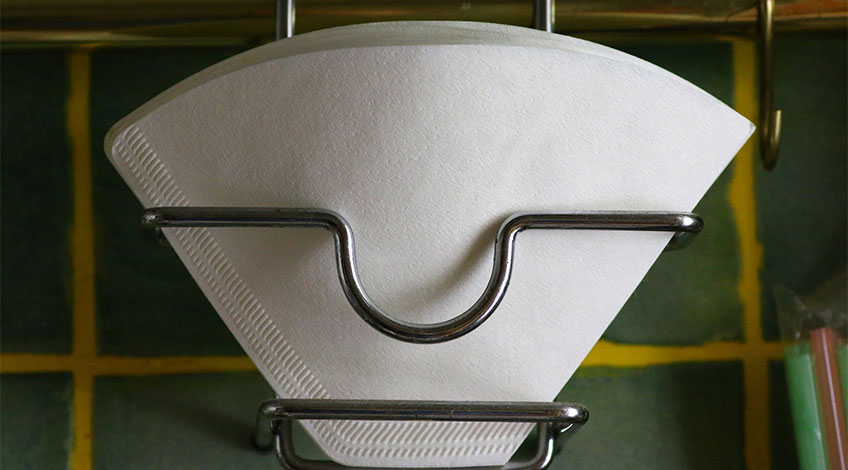
Place a paper filter in the brew basket and run a complete brewing cycle without coffee grounds. The acetic acid in vinegar breaks down coffee oils, kills bacteria, and removes mineral build up throughout your machine’s internal systems.
After brewing, let the vinegar solution sit in the carafe for 10 to 15 minutes. This gives it extra time to work on stubborn residues and ensures maximum cleaning power.
Flush Out The Vinegar Completely
Once your vinegar cycle is complete, run at least two full cycles with fresh water to eliminate any lingering vinegar taste. For particularly dirty machines, you might need three or four rinse cycles.
Taste a small amount of the final rinse water. If you can detect any vinegar flavour, run another cycle. The last thing you want is vinegar flavoured coffee ruining your morning routine!
This step is crucial for people who are sensitive to acidic tastes or have stomach sensitivities that could be aggravated by residual vinegar.
Alternative Natural Cleaning Solutions
If you don’t fancy using vinegar, lemon juice works similarly. Use the same 50/50 ratio with water and follow the same process. Lemon juice has natural antibacterial properties and leaves a fresh, citrusy scent.
Bicarbonate of soda is another excellent option for neutralising odours and removing stains. Add two tablespoons to a full water reservoir and run a complete cycle, followed by thorough rinsing.
Some people prefer commercial coffee maker cleaners, which are specifically formulated for these machines. While more expensive than DIY solutions, they can be more convenient for busy households.
Special Considerations For Single Serve Machines
If you use a single serve coffee maker like a Keurig, the cleaning process has some unique requirements that daily coffee drinkers should know about.
Clean The Drip Tray And Pod Holder Weekly
Single serve machines have components that traditional drip coffee makers don’t have. The drip tray catches spills and can become a breeding ground for bacteria if not cleaned regularly.
Remove the drip tray and pod holder weekly, washing them in warm, soapy water. Use a small brush to clean any stubborn residue from the pod holder’s needle area.
These components are often overlooked during cleaning routines, but they can harbour significant amounts of bacteria and mould if neglected.
Descale More Frequently
Single serve machines tend to have narrower water lines that clog more easily with mineral deposits. This means they often need descaling every month rather than the typical quarterly schedule for drip machines.
Follow your machine’s specific descaling instructions, as different models have different requirements. Some have automatic descaling cycles, while others require manual intervention.
The compact design of these machines means clogs can affect performance more dramatically, leading to weak coffee or brewing failures that busy morning routines can’t afford.
Quick Solutions For Common Coffee Maker Problems
Even with regular cleaning, coffee makers can develop issues that affect performance and cleanliness. Here are fast fixes for the most common problems.
Slow Brewing Times
If your coffee takes longer to brew than usual, mineral deposits are likely clogging the water lines. Run a descaling cycle immediately to restore proper flow rates.
Check your water filter if your machine has one. Clogged filters can slow brewing and reduce the effectiveness of your cleaning efforts.
For persistent slow brewing, you might need to repeat the descaling process or consider professional servicing if the machine is valuable enough to warrant the expense.
Strange Tastes Or Odours
Unusual flavours often indicate bacterial growth or rancid oil build up. Start with a thorough vinegar cleaning cycle, paying extra attention to the brew basket and carafe.
If the problem persists, remove and soak all removable parts overnight in a solution of warm water and bicarbonate of soda. This can neutralise stubborn odours that regular cleaning might miss.
Sometimes the water reservoir itself needs special attention. Fill it with the vinegar solution and let it sit for an hour before running the cleaning cycle.
Visible Mould Or Staining
If you can see mould or severe staining, you need immediate action. Start by unplugging the machine and removing all removable parts for thorough hand cleaning.
Use a solution of one part bleach to ten parts water for severe mould problems, but only on non electrical components. Rinse thoroughly and allow everything to air dry completely.
For internal mould that you can’t reach, run multiple vinegar cycles followed by thorough rinsing. If the problem is severe, it might be time to replace the machine entirely.
Maintaining A Clean Coffee Maker Long Term
Prevention is always better than cure, especially when it comes to appliances you use every single day. Here’s how to maintain a clean coffee maker with minimal effort.
Establish A Daily Routine
Make cleaning part of your coffee routine rather than a separate chore. While your morning cup is brewing, rinse yesterday’s carafe and brew basket. This takes less than a minute but prevents major build up.
Keep cleaning supplies near your coffee maker so there’s no excuse to skip maintenance. A bottle of washing up liquid and some clean cloths within arm’s reach make daily cleaning effortless.
For busy households, assign coffee cleaning duties to whoever makes the last pot of the day. This ensures the machine is always ready for the next morning’s first brew.
Use Filtered Water
Using filtered water reduces mineral build up and can extend the time between descaling sessions. This is particularly important for people in hard water areas where mineral deposits form quickly.
Filtered water also improves the taste of your coffee and reduces the likelihood of strange flavours developing over time. It’s a simple change that benefits both cleanliness and coffee quality.
Some coffee makers have built in water filters, but these need regular replacement. Set reminders to change filters according to the manufacturer’s schedule.
Store Coffee Properly
Keep coffee beans and grounds in airtight containers away from your coffee maker. Loose grounds can attract pests and create additional cleaning challenges around your machine.
Don’t leave wet coffee grounds in the brew basket overnight. This creates perfect conditions for mould growth and can lead to unpleasant odours by morning.
For people who prepare coffee the night before, consider using a programmable machine with a timer rather than leaving grounds sitting in the basket for hours.
The Health Benefits Of A Clean Coffee Maker
Maintaining a clean coffee maker isn’t just about better tasting coffee, it’s about protecting your health and that of your family.
Reduced Risk Of Foodborne Illness
A clean coffee maker significantly reduces your exposure to harmful bacteria that can cause stomach upset, infections, and other health problems. This is particularly important for households with vulnerable family members.
Regular cleaning eliminates the conditions that allow dangerous bacteria like E.coli and salmonella to flourish in your machine. The hot water used in brewing isn’t always enough to kill established bacterial colonies.
For people with compromised immune systems or chronic health conditions, a clean coffee maker is essential preventive care that requires minimal effort for maximum benefit.
Better Indoor Air Quality
Mould growing in your coffee maker releases spores into the air every time you use the machine. These spores can trigger allergic reactions, asthma attacks, and respiratory problems.
Regular cleaning prevents mould growth and keeps your kitchen air cleaner and healthier. This is especially important in smaller kitchens where air circulation might be limited.
People with existing respiratory conditions often notice significant improvement in their symptoms when they eliminate mould sources like dirty coffee makers from their homes.
Improved Coffee Quality And Satisfaction
Clean coffee makers produce better tasting coffee, which improves your overall satisfaction with your morning routine. When your coffee tastes great, you’re more likely to stick with healthy home brewing rather than expensive café purchases.
Fresh, clean tasting coffee also means you’re less likely to add excessive sugar or cream to mask unpleasant flavours. This can support better dietary choices throughout the day.
For coffee enthusiasts who invest in quality beans, a clean machine ensures you actually taste the coffee’s intended flavour profile rather than contamination from dirty equipment.
Your Morning Brew Deserves Better
Your coffee maker works hard to fuel your busy days, and it deserves the same care and attention you’d give any important appliance in your home. The few minutes spent on regular cleaning will reward you with better tasting coffee, improved health outcomes, and a machine that lasts for years.
Remember, those daily coffee rituals that keep you going should be safe, healthy, and enjoyable. Don’t let hidden mould, bacteria, and rancid oils turn your favourite morning habit into a health hazard.
Start with tonight’s cleaning routine, and tomorrow morning’s coffee will taste noticeably better. Your future self will thank you for taking action now rather than waiting until problems become obvious.
Share this article with your fellow coffee lovers on Facebook, X, or WhatsApp. Because everyone deserves to know what might be lurking in their morning cup!
SEE ALSO: This Is the Right Way to Clean a Stainless Steel Sink
Also, follow us on Pinterest ...