
10 Quick Ways to Stay Warm This Winter (Without Sky-High Bills!)
When winter rolls in, the urge to turn up the heating is hard to resist, but rising energy bills can leave many households searching for smarter solutions. Fortunately, there are simple and cost effective ways to keep warm without pushing your thermostat to the maximum.
These tips are perfect for anyone looking to stay cosy through the cold months, especially with energy costs still on the rise.
Simple and Budget Friendly Ways to Stay Warm This Winter

Here are some practical ideas to warm up your home and body without warming up your utility bill.
Bleed Your Radiators
If your radiators are not heating up evenly or feel cooler at the top than the bottom, they probably need bleeding. Trapped air can stop them working efficiently, meaning your boiler works harder and costs more to run.
Bleeding radiators is a simple do it yourself task, just use a radiator key and follow a trusted guide. Doing this at the start of the heating season ensures your system works at its best when you need it most.
Make it part of your winter preparation checklist every year. It is a quick fix that can make a big difference in overall warmth.
Reflect Heat Back Into the Room
A good trick for making radiators more efficient is to place heat reflective panels behind them. These are especially useful on external walls where heat is otherwise lost.
The panels bounce the warmth back into the room rather than letting it seep into the brickwork. You can buy these online or from DIY stores, and they are easy to install with no need for a professional.
They are thin enough not to interfere with your radiator’s function but make a real difference in heat retention. Think of them as a small investment with a big return.
Close Off Unused Spaces
If you have a spare bedroom or unused dining room, shut the doors and do not waste heat on them. Even better, place draught excluders along the base to limit airflow. This reduces the volume your heating system has to warm, allowing it to work more efficiently.
When your boiler is not overworked, it costs less to run. Focus warmth in the spaces where you spend time and do not heat the whole house out of habit. Less square footage to heat means lower bills, simple but often overlooked.
Use Rugs to Trap Warmth
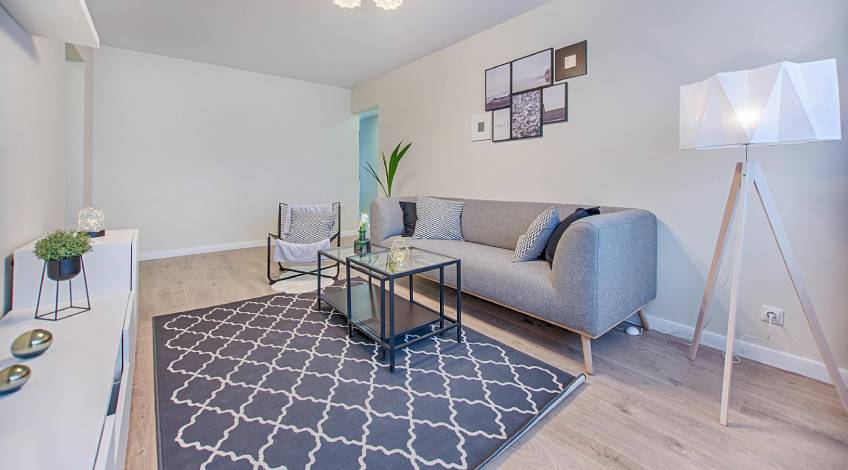
Cold floors, especially in homes with wooden or tiled flooring, can quickly sap warmth from a room. Laying down thick rugs adds an extra layer of insulation underfoot.
Rugs are not only stylish but practical, helping keep heat in and cold air out. Larger rugs will give better coverage and warmth, especially in rooms that do not benefit from underfloor heating.
This small addition can also reduce the need for turning the heating up. Prioritise rooms where you spend the most time, like the living room or bedroom.
Block Out Draughts Around Windows and Doors
Even the smallest gap can let in cold air and send warm air out. That is why it is important to seal up those hidden draughts.
Self adhesive foam strips or draught excluders can be easily fitted around window frames and door edges. Letterboxes and keyholes can also be problem areas, so cover them with purpose made covers.
For a quick fix, you can roll up an old towel and place it along the bottom of doors. It is a low cost solution that makes a noticeable difference.
In older homes, check wooden window frames for cracks, as these often go unnoticed.
Embrace Zoned Heating
If you have thermostatic radiator valves, use them to your advantage by heating only the rooms you are using.
Focus on living areas during the day and bedrooms in the evening. Shut the doors to unused rooms to stop warm air from escaping.
For homes without this feature, consider turning down the radiator in lesser used rooms. This not only keeps things comfortable where you need it most but also saves money by avoiding wasteful heating. It is a smarter way to manage energy without sacrificing warmth.
Make the Most of Natural Sunlight
When the sun is out, let it in. Even in the UK’s colder months, natural sunlight can provide a surprising amount of warmth.
Open curtains fully during the day, especially on south facing windows, to allow sunlight to warm your rooms naturally. As soon as dusk falls, close them again to keep that heat in.
Choose thick, lined curtains or thermal blackout options, which help insulate your windows even further. It is a free heat source, so use it whenever you can.
Keeping windows clean helps maximise the amount of light and heat that gets through.
Layer Up Smartly Even Indoors

It might seem obvious, but dressing in multiple light layers traps body heat better than one thick jumper. Thermal vests, leggings and fleece lined socks work wonders, especially in the evenings. Do not overlook accessories like hats and slippers, which help retain heat from your head and feet. Keeping a soft throw or blanket within reach of the sofa encourages snuggling instead of switching on the heater.
You will stay comfortable without touching the thermostat. Look for clothing made from materials like wool or heat retaining synthetics.
Use an Electric Blanket or Heated Throw
Instead of heating an entire room, warming just your bed or sofa space can be far more efficient. Electric blankets and heated throws are energy savvy alternatives to turning up the central heating.
Modern models are cheap to run, typically costing only a few pence an hour, and offer adjustable settings for comfort. They are especially handy at night, reducing the need to keep the heating on while you sleep.
Just make sure to follow safety guidelines and check your blanket meets UK safety standards. It is warmth exactly where you need it with no waste.
Keep Warm with Hot Water Bottles and Wheat Bags
Sometimes, the old ways really are the best. Hot water bottles and microwaveable wheat bags provide direct heat to your body and are incredibly cheap to use. Whether placed under a blanket, inside your bed or kept on your lap while working from home, they offer targeted warmth that lasts for hours.
For children or elderly family members, these are safe and comforting alternatives when used properly. Choose a quality hot water bottle with a cover, and always follow usage instructions to avoid burns. A simple but effective comfort during freezing nights.
Share These Winter Warming Tips With Friends!
These quick tricks are ideal for anyone trying to stay warm without spending a fortune. Post them on social media to show how easy it is to keep cosy this winter without driving up the heating bill!
SEE ALSO: If You Own a Home, You NEED to Do These 11 Things Every Month!
Also, follow us on Pinterest ...