The Right Way To Clean Stainless Steel Pots Without Scratching Them
You’ve spent good money on a quality set of stainless steel pots, and you want them to last for years. But every time you scrub away at burnt on food or stubborn stains, there’s that nagging worry: am I scratching them? Am I ruining my investment?
Here’s the thing: stainless steel cookware can absolutely last a lifetime, but only if you clean it properly. The good news? You don’t need fancy products or complicated techniques. With a few simple methods and the right approach, you can keep your pots looking brilliant without a scratch in sight. Let’s get into exactly how to do it.
Why Stainless Steel Needs Special Care
Before we talk about cleaning methods, it’s worth understanding why stainless steel requires a bit of thought. Yes, it’s durable and resistant to rust, but that shiny surface can still get damaged if you’re not careful.
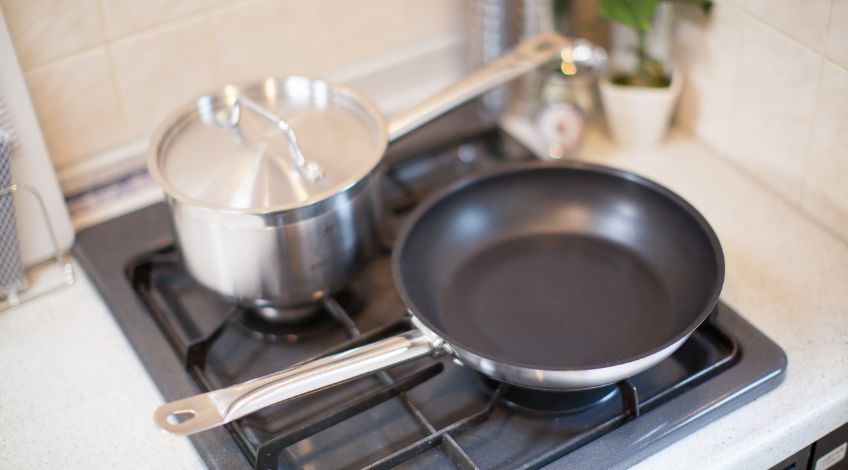
The main culprits? Abrasive scrubbers, harsh chemicals, and aggressive scrubbing techniques. These can leave permanent scratches that not only look awful but can also harbour bacteria and make future cleaning harder. Nobody wants to look at a pot that’s covered in swirl marks and scratches, especially when you’ve invested in quality cookware.
The other issue is discolouration. Stainless steel can develop rainbow stains from overheating, white chalky spots from hard water, or dark burnt on residue from cooking. The trick is knowing how to tackle each problem without reaching for the wrong tool.
What You Should Never Use On Stainless Steel
Let’s start with what NOT to do, because this is where most people go wrong.
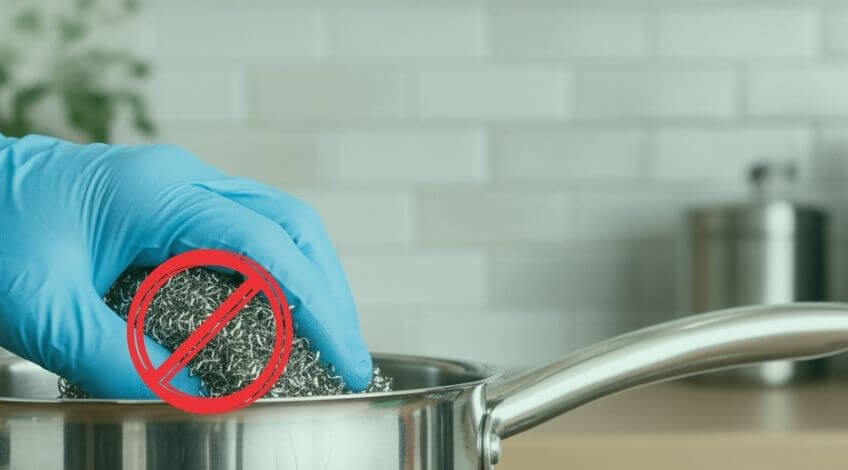
Steel wool might seem like the obvious choice for tough stains, but it’s actually your pot’s worst enemy. Those metal fibres will scratch the surface faster than you can say “ruined cookware”. The same goes for wire brushes and any scrubber labelled as “heavy duty”.
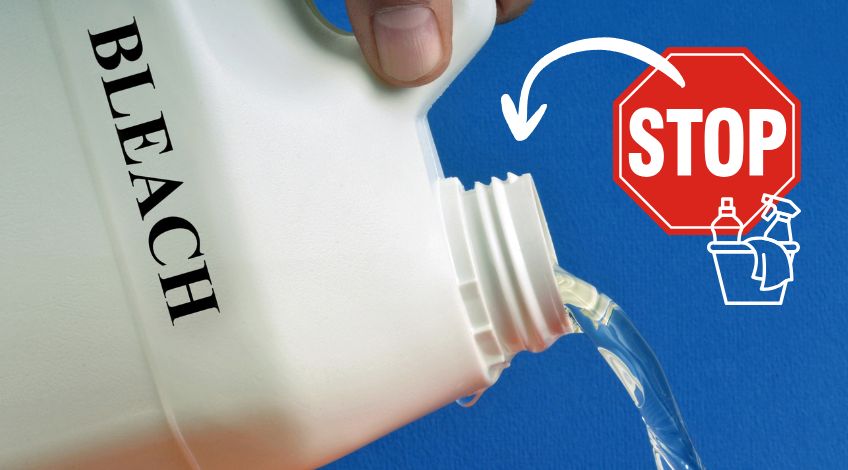
Bleach and chlorine based cleaners are another no go. They can cause pitting and corrosion on stainless steel, leaving permanent damage. Similarly, oven cleaner is far too harsh and will strip away the protective layer on your pots.
And here’s one that surprises people: don’t use the green side of a standard kitchen sponge for everyday cleaning. Whilst it might seem gentle enough, regular use will gradually scratch the surface. Save it only for the really stubborn jobs, and even then, be gentle.
The Everyday Clean: Gentle But Effective
For regular cleaning after normal cooking, you really don’t need much. This is the method you’ll use 90% of the time, and it works brilliantly without any risk of damage.
Start by letting your pot cool down completely. Never plunge a hot stainless steel pot into cold water, as the thermal shock can warp it. Once it’s cooled, fill it with warm water and add a squirt of ordinary washing up liquid.
Use a soft sponge or cloth to wipe down the interior and exterior. For most everyday cooking residue, this is all you need. The key is to clean your pots soon after use, before food has a chance to really stick and harden.
Rinse thoroughly with clean water and dry immediately with a soft towel. This last step is important! Letting your pots air dry can leave water spots and streaks, especially if you live in a hard water area.
Tackling Burnt On Food The Smart Way
Right, so what about when things have really stuck? When you’ve got burnt bits that won’t shift with regular washing up?
Here’s where most people panic and grab something abrasive. Don’t! There’s a much better way that actually uses the power of boiling water to do the hard work for you.
Fill the pot with enough water to cover the burnt areas. Add a couple of tablespoons of bicarbonate of soda and bring it to a boil. Let it simmer for 10 to 15 minutes, then turn off the heat and let it cool.
The burnt food will have loosened significantly. Now you can use a wooden spoon or silicone spatula to gently scrape away the residue. For any remaining stubborn spots, make a paste with bicarbonate of soda and a tiny bit of water, apply it to the area, and let it sit for 20 minutes before wiping clean.
This method is incredibly effective and completely scratch free. I’ve used it on pots that looked beyond saving, and they’ve come up looking nearly new.
Removing Stubborn Stains And Discolouration
Stainless steel can develop different types of stains, and each needs a slightly different approach.
For rainbow coloured heat stains, white vinegar is your friend. Pour some undiluted white vinegar into the pot, enough to cover the stained areas. Let it sit for a few minutes, then rinse and wash as normal. The acidity breaks down the oxidation that causes those rainbow marks.
White chalky deposits from hard water? That’s limescale, and vinegar works here too. Mix equal parts water and white vinegar, bring it to a boil in the pot, then let it cool. Wash as normal, and those chalky spots will disappear.
For general dullness or light discolouration, try this: make a paste with bicarbonate of soda and water, apply it to the affected areas using a soft cloth, and rub in circular motions. The gentle abrasive action of the bicarbonate of soda will buff away the discolouration without scratching.
Restoring The Shine To Your Pots
Want your stainless steel to look absolutely brilliant? Here’s a professional trick that works wonders.
After cleaning your pot normally, dry it completely. Then take a clean, soft cloth and put a small amount of white vinegar on it. Wipe down the entire exterior and interior of the pot, buffing in circular motions.
Follow up by buffing with a dry microfibre cloth. This removes any streaks and brings up an incredible shine. Your pots will look like they’ve just come out of the shop!
For the exterior bottom of pots that have darkened from heat exposure, you can use a specialist stainless steel cleaner occasionally. Apply it with a soft cloth following the grain of the steel (if visible), then buff to a shine.
The Bar Keeper’s Friend Method
There’s one product that deserves special mention: Bar Keeper’s Friend. If you’re serious about maintaining stainless steel cookware, this is worth having in your cupboard.
It’s a powder cleaner that contains oxalic acid, which is brilliant for removing tough stains, rust spots, and restoring shine. Unlike harsh abrasives, it cleans through chemical action rather than scratching.
To use it, wet the surface of your pot and sprinkle on a small amount of Bar Keeper’s Friend. Using a soft, damp cloth or sponge, rub it gently in circular motions for about 30 seconds to a minute. Rinse thoroughly with clean water and dry immediately.
This stuff is genuinely impressive for bringing badly stained pots back to life. Just remember to wear gloves as it can be drying on your hands, and never let it sit on the surface for more than a minute.
Preventing Problems Before They Start
The best way to avoid scratching your pots? Don’t let problems build up in the first place. Here are some habits that will keep your stainless steel in top condition with minimal effort.
Always use enough fat or liquid when cooking. Stainless steel can stick badly if the pan is too dry, leading to burnt on messes that are harder to clean.
Don’t use metal utensils if you can avoid it. Silicone, wood, or heat resistant nylon tools are much kinder to your cookware. If you must use metal, be gentle and don’t scrape aggressively.
Clean your pots promptly after use. The longer food sits, the harder it becomes to remove. Even if you can’t do a full wash straight away, at least soak the pot in warm soapy water.
Store your pots carefully. If you stack them, place a soft cloth or paper towel between each one to prevent scratching. Better yet, hang them if you have the space.
What About The Dishwasher?
This is a question that divides opinion. Technically, most stainless steel pots are dishwasher safe, but that doesn’t mean it’s the best choice.
Dishwasher detergents are quite harsh and can gradually dull the finish of your pots. The high heat can also cause rainbow staining. Plus, if your pots knock against other items during the wash cycle, you risk scratching.
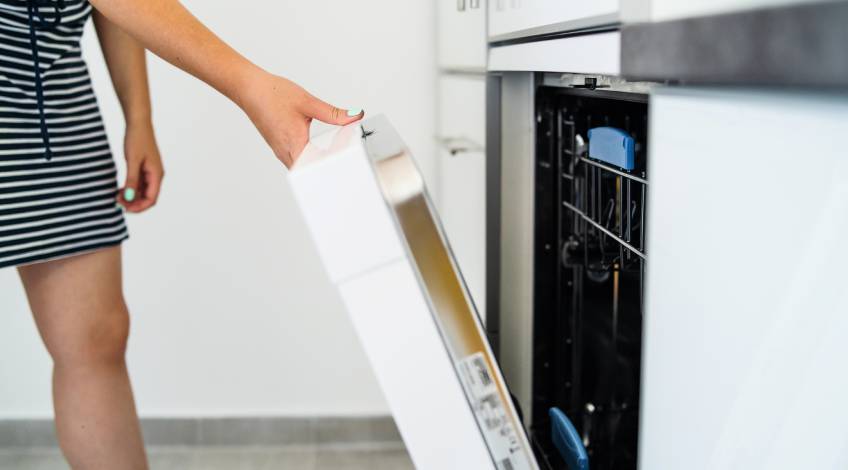
If you do put stainless steel in the dishwasher, place pots carefully so they’re not touching other items, use a gentle cycle if available, and remove them promptly to dry by hand. This prevents water spots.
Personally? I wash my good stainless steel pots by hand. It takes five minutes and ensures they stay looking pristine for years.
Keep Your Investment Looking Brilliant
Your stainless steel pots are an investment in your kitchen, and with the right care, they’ll serve you well for decades. The key is being gentle, using the right methods for each type of problem and never resorting to harsh abrasives that will damage the surface.
Remember: bicarbonate of soda and white vinegar are your best friends. They’re gentle, effective, and won’t harm your cookware. For tougher jobs, Bar Keeper’s Friend is worth having on hand. And most importantly, clean your pots promptly after use so problems never have a chance to build up.
Follow these methods and your stainless steel will stay scratch free and brilliant looking, meal after meal, year after year!
If you found these tips helpful, share them with your friends on Facebook!
SEE ALSO: This Surprising Hack Makes Stainless Steel Appliances Look Brand New
Also, follow us on Pinterest ...