Ripe or Not? Here’s the Easiest Way to Tell If Your Lime Is Ready
If you’re making mojitos, vodka gimlets or key lime pie you’re going to need limes. But do you know the best way to choose limes to ensure that you get the most flavourful ones on the supermarket shelves?
If you’re not certain that you know how to choose the right limes, keep reading. Because in this article we’ll be taking a close look at the humble lime and giving you all the information you need.
Once you actually know what you’re looking for it’s amazingly simple to find ripe, juicy limes in any store that sells fresh produce. Plus it works for all varieties of limes including key limes, regular limes and even finger limes.
Do Limes Ripen After Being Picked?
Like lemons, limes stop ripening once they’ve been picked which should mean that all of the limes in your grocers should be ripe enough to use. Having said that they’re often picked slightly under ripe to account for the travelling they have to do to get to far away lands.
This is because ripe fruit is likely to get damaged during shipping from country to country.
How To Select A Decent Lime
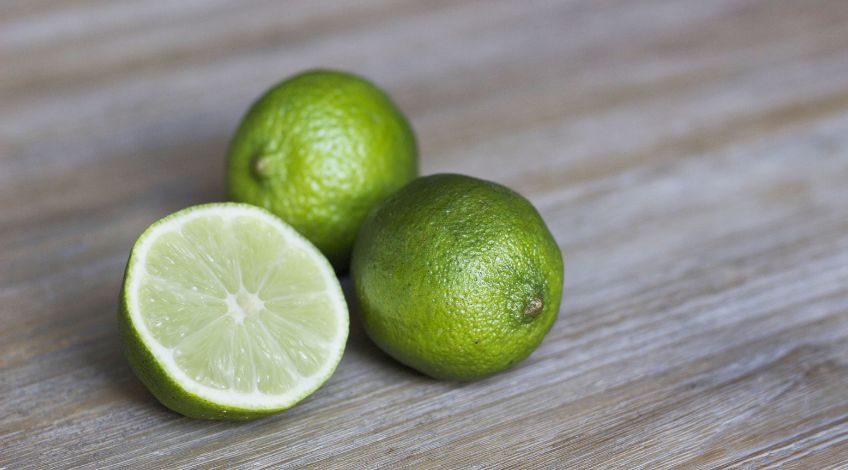
When choosing limes, you want to go for ripe fruit. Limes will last for up to a month if refrigerated. But it’s best to allow them to reach room temperature before using them to increase the juice content.
Most supermarkets stock the varieties called Persian or Tahitian limes, but other varieties are often available including key limes, finger limes and other types as well. Fortunately the way to tell whether a lime is ripe or not works the same for all varieties. Just do the following;
Smell The Skin
Most citrus fruits should have a fruity smell. If the lime is too under ripe, it won’t have any smell at all. You should gently scratch the skin to release the lime essence.
If after doing the scratch test, the lime smells like a lime, it’s ripe enough to use. No smell, and it’s too under ripe.
Feel The Firmness
You’re looking for the Goldilocks effect here, a lime should be slightly soft, not too squashy and definitely not as hard as iron. Limes that have been left at room temperature for too long or even stored in a cold area for too long tend to harden.
These rock hard limes tend to be dry inside with little or no juice. You need to pick up the lime and give it a little squeeze. A perfect lime will have a slight give and then bounce back into shape once you relieve the pressure.
If it doesn’t move at all when squeezed, it’s under ripe and if it doesn’t bounce back into shape, it’s over ripe.
Check The Weight
Limes should feel pretty heavy for their size, however, this can be a bit difficult to see. Try holding one in your right hand and one in your left hand and comparing the weight.
Or you could place each lime individually on the produce scale and see which is the heaviest. A heavier lime (or any citrus fruit) will contain more juice than a lighter one of a similar size.
Any lime that is lightweight compared to the others will not be as juicy as their heavier counterparts.
Check The Colour
You might think that dark green limes look the best, but they are less ripe than yellow ones. Like lemons that start off green and go bright yellow when they’re ripe, limes ripen from dark green to yellow.
The sweetest and juiciest limes are yellow, but light green limes are the most common and are great to eat or juice. Dark green limes will produce less juice, so it’s best to choose those limes with a brighter, lighter green colour.
If the fruit has a few yellow spots or blemishes, it’s fine but brown spots or bruises are tell-tale signs that the lime is unfit to use and should be discarded.
Check The Texture Of The Skin
Perfectly healthy ripe limes will have a smooth texture almost the same as pebbled leather. Limes with a bumpy texture or a thick skin are not ripe and won’t produce much juice.
Limes sold in the UK are often coated in wax to preserve them on their long journey and this should be removed if possible before use. All you need to do is place the whole lime in hot water for around 10 minutes before use.
Having said that, some limes are sold without any wax coating so the shininess of the skin cannot be relied on as an indicator of the freshness or ripeness of the fruit.
A Brief Guide To Lime Varieties
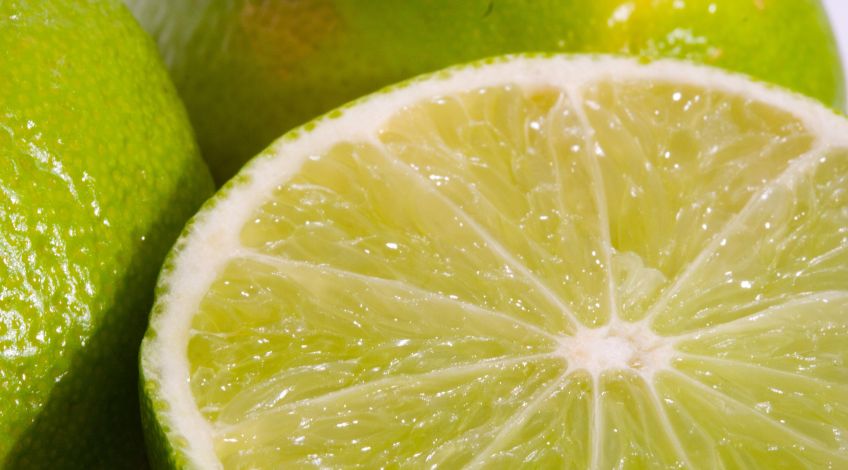
Not all limes are created equal. Here’s a quick rundown of the most common types you’ll find and what they’re best used for;
Persian (Tahitian) Limes
These are the large, seedless, dark green limes most commonly found in supermarkets. They’re versatile and ideal for juicing, cooking, and cocktails.
Key Limes
Smaller, rounder, and more aromatic with a yellowish skin when ripe. They’re slightly sweeter and more tart, perfect for desserts like key lime pie.
Kaffir Limes
Known for their bumpy skin and intensely fragrant leaves, kaffir limes are rarely juiced. The leaves are essential in Thai and Southeast Asian cuisine.
Finger Limes
Sometimes called “citrus caviar,” these contain small pearls of juice that pop in your mouth. They’re a gourmet favourite for garnishes and seafood dishes.
Knowing which lime to use can elevate your recipe and enhance the flavour of your dish.
How To Tell If The Limes On Your Tree Are Ready
If you own a lime tree and you’ve successfully got it to the stage where it is producing fruit, you’re going to want to know when’s the right time to harvest that fruit. Well we use the same tests as for buying limes in the store which are;
- The Smell
If the lime is ripe it will have that fresh zesty lime smell and is ready to harvest. Any limes that don’t smell at all should be left to ripen on the tree for a while. - The Colour
Obviously it depends on the variety of lime you’re growing, but in most cases the lighter green the lime is the riper it is. Leave really dark green fruits to ripen on the tree and pick the lighter coloured ones first. - The Weight
The heavier the lime, the more juice it contains, so feel the weight in your hand and pick the heaviest limes first. - The Texture
If the skin is incredibly thick and hard to the touch, it’s probably not ready yet and should be left to ripen on the tree. - The Feel
Simply do the squeeze test while the lime is still hanging from the tree. If it has a slight give, it’s ready to be picked.
How To Store Limes
Once you’ve picked your limes either from your tree or from the shop, you’ll need to store them correctly to get the best from them. If you’re not going to use them straight away, you should store them in water in a sealed jar to keep them at their optimum best.
Using this method should keep your limes fresh for up to three weeks. It can be tempting to store fresh limes in the fridge but that’s a mistake because it can lead to cold damage if they’re stored below 7oC (45oF).
Leaving them out in a warm room will cause them to spoil at a relatively fast rate, so unless you’re going to use your limes immediately, or in the next day or so, they should be stored in a jar of water with a sealed lid.
How To Tell If A Lime Has Gone Bad
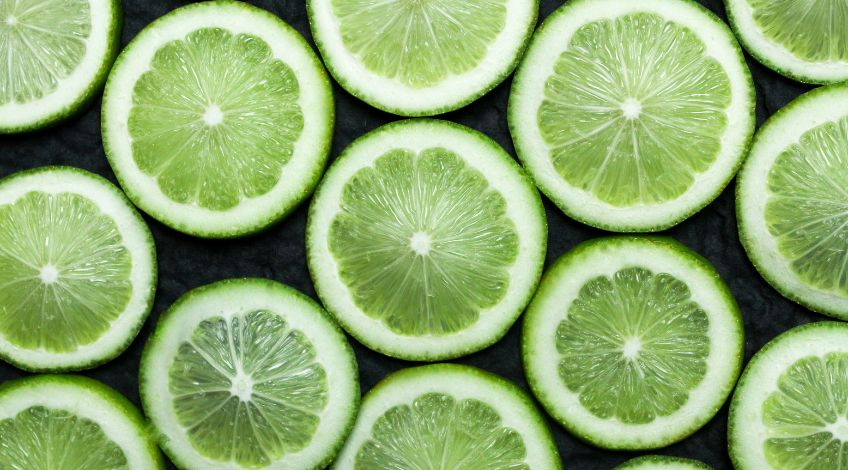
Even the best picked lime won’t last forever. Here are some signs your lime has passed its prime;
- It’s gone mushy
If the lime feels too soft or squishy, it’s likely deteriorating from the inside. - The skin is wrinkled or shriveled
This means the fruit is drying out and won’t be juicy. - It has an off or winy, fermented smell
A fresh lime smells zesty and bright. A spoiled lime might smell sour, musty, or even alcoholic. - There’s visible mould or dark patches
Any signs of mould, bruising, or brown spots are red flags. It’s safest to discard limes with these defects.
Checking your limes before using them ensures that only the freshest citrus makes it into your recipe.
How To Get The Most Juice Out Of Your Limes
Once you’ve picked the perfect lime, it’s time to get the most out of it, literally. Here are a few simple tricks to maximise the amount of juice your lime will yield;
- Roll it before cutting
Place the lime on a hard surface and firmly roll it under your palm. This breaks down the internal membranes and makes it easier to squeeze out more juice. - Microwave it for 10 to 15 seconds
Heating the lime slightly softens it and releases more juice. Just be careful, it may be hot to touch afterward. - Use a proper juicing tool
A handheld citrus squeezer, reamer, or electric juicer will extract more juice than squeezing by hand. - Cut it lengthways
Though most people cut limes crosswise, slicing them from top to bottom exposes more of the juicy segments.
These tips can help you get every last drop of flavour for your drinks, dressings, or marinades.
Pick Like A Professional & Store Like A Chef
Choosing the perfect lime doesn’t have to be a gamble. With a quick sniff, a gentle squeeze, and a close look at the skin and colour, you’ll be able to tell whether a lime is ripe, juicy, and ready for your culinary creations.
Whether you’re picking from your garden or the grocery shelf, these easy techniques will ensure you get the best fruit every time. Store them correctly and your limes will stay fresh longer, meaning more zest, more juice, and more flavour in every dish or drink.
Now you’re lime smart and ready to take your cocktails, recipes, and citrus game to the next level.
SEE ALSO: Avoid These 21 Innocent-Looking Foods That Secretly Make You Gassy
Frequently Asked Questions
You can tell if a lime is ripe because a ripe lime will have a light green to slightly yellow colour, feel heavy for its size, have a smooth skin, and give slightly when squeezed. It should also have a fresh citrus scent when scratched.
No, like lemons, limes stop ripening once harvested. That’s why it’s important to select ripe ones at the store or wait until they’re just right on your tree.
Yes! Yellow limes are actually more ripe than dark green ones and are often juicier and sweeter. They’re perfectly fine, and often better, for juicing and cooking.
The best method is to store limes in a sealed jar filled with water. This keeps them fresh for up to three weeks. Avoid refrigerating them below 7°C (45°F), as it can cause cold damage.
Also, follow us on Pinterest ...