The DIY Trick That Stops Windows Fogging Up After Every Shower
If your bathroom window steams up every time someone takes a shower, you’re not alone. It’s a common problem in UK homes, especially during colder months when condensation builds up quickly.
While it might seem harmless, all that moisture can lead to mould, damp patches and even peeling paint if ignored.
Luckily, there’s a simple DIY trick that can stop your windows fogging up and it only takes a minute to apply.
No fancy gadgets, no expensive sprays. Just one clever method that uses something you probably already have at home.
Why Bathroom Windows Fog Up In The First Place
When you take a hot shower, the warm steam hits the cold glass and turns into water droplets, that’s condensation.
In older homes with poor ventilation or single glazed windows, this effect is even more noticeable.
While extractor fans and open windows help, they don’t always solve the problem. And wiping the glass after every shower only spreads the water around, leaving streaks and damp cloths to deal with.
Left unchecked, that trapped moisture can lead to black mould forming in corners or around window seals.
The Simple Trick That Actually Works
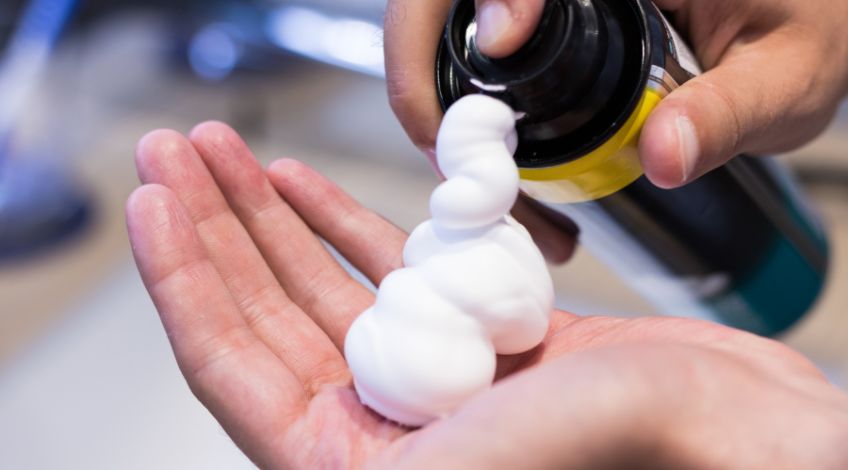
So what’s the trick? Shaving foam. Yes, the kind you’d use for shaving your legs or face.
It turns out that applying a thin layer of shaving foam to your bathroom window creates a barrier that stops steam sticking to the glass. It works in a similar way to anti fog treatments used on car windows or swimming goggles.
Here’s how to do it:
- Spray a small amount of white shaving foam (not gel) onto a clean, dry cloth.
- Gently rub it over the window glass until it forms a thin layer.
- Use a second clean cloth to buff it off. You’ll be left with clear, streak free glass.
That’s it. No residue, no smell, no fog after your next shower. And it lasts for days, sometimes even weeks before you need to reapply.
Why This Trick Works
Shaving foam contains glycerin and stearic acid, which leave behind a slight film that repels water. This stops condensation from clinging to the glass surface. Instead of fogging up, your window stays clear even when the room is full of steam.
It’s safe for most bathroom windows, including those with privacy frosting, as long as you use a soft cloth and don’t scrub too hard.
How Often Should You Reapply It?
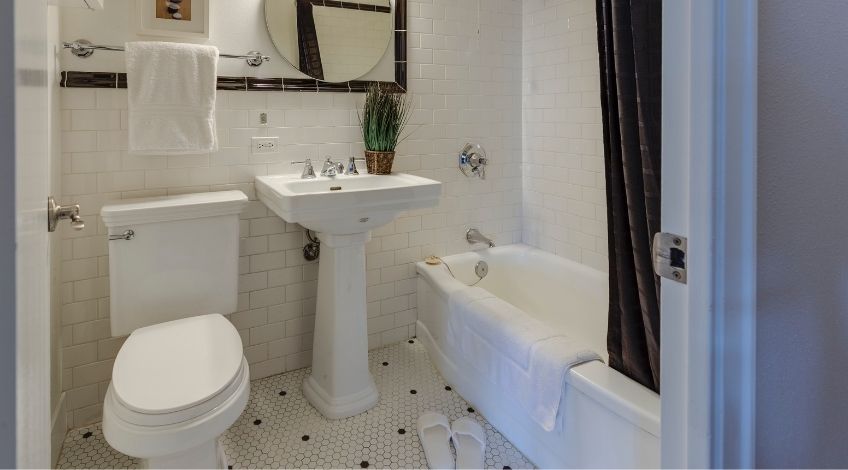
How long it lasts depends on how often the bathroom is used. In most UK households, the anti fog effect can last up to two weeks.
In a busy family home with multiple showers a day, you might want to top it up every few days.
If the window starts fogging up again, just repeat the same steps. It only takes a minute and the results are instant.
Other Tips To Reduce Bathroom Window Condensation
While this DIY trick is brilliant, combining it with a few simple habits will give you the best results:
- Always use your extractor fan during and after showers
- Open the bathroom window for 10 minutes afterward to let the moisture out
- Keep bathroom doors closed to stop steam from spreading around the house
- Wipe down wet surfaces like mirrors, tiles and window sills after use
- Consider a small dehumidifier if you have ongoing issues with dampness
These small changes can help prevent long term problems like mould or damaged paintwork.
Help Others Keep Their Bathroom Windows Clear With This DIY Tip!
If window fog drives you mad after every shower, this quick DIY trick is a lifesaver. Share it on social media so others can enjoy a clearer bathroom without the hassle.
SEE ALSO: Why Your Shower Curtain Keeps Going Mouldy (And How To Stop It)
Also, follow us on Pinterest ...