The Real Reason Your Floors Still Feel Sticky After Mopping (And How To Fix It)
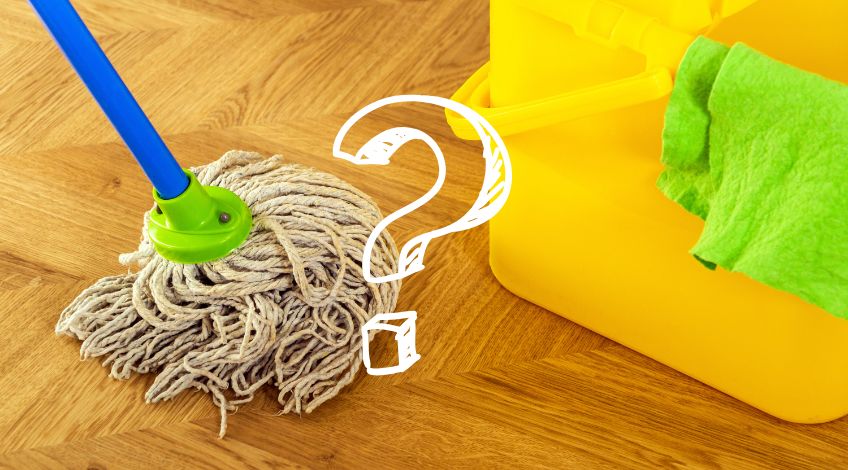
You’ve filled the bucket, grabbed your mop and scrubbed every corner of the floor. But once it dries, there’s that annoying sticky feeling underfoot like it was never cleaned at all. Sound familiar?
Sticky floors after mopping are more common than you think. It’s not about how often you mop, but how you’re doing it. The good news? It’s an easy problem to fix once you know what’s causing it.
Here’s exactly why it happens and what to do so your floors feel properly clean and residue free.
Why Your Floor Still Feels Sticky After Mopping
If your floor feels tacky or slightly greasy after mopping, it’s usually down to cleaning product residue.
Most floor cleaners sold in the UK are concentrated formulas that need to be diluted. But if you use too much cleaner or don’t rinse it away properly, it leaves a thin layer of residue and that’s what creates the sticky sensation.
Here are the most common culprits:
- Too much cleaning product in the mop water
- Not changing the water often enough during the job
- Mopping with dirty water, which spreads grime instead of removing it
- Using a cleaner that isn’t right for your floor type
- Not rinsing or drying the floor properly after mopping
Even something as simple as washing your mop with fabric softener can leave behind residues that transfer to your floor.
Are You Using The Right Floor Cleaner?
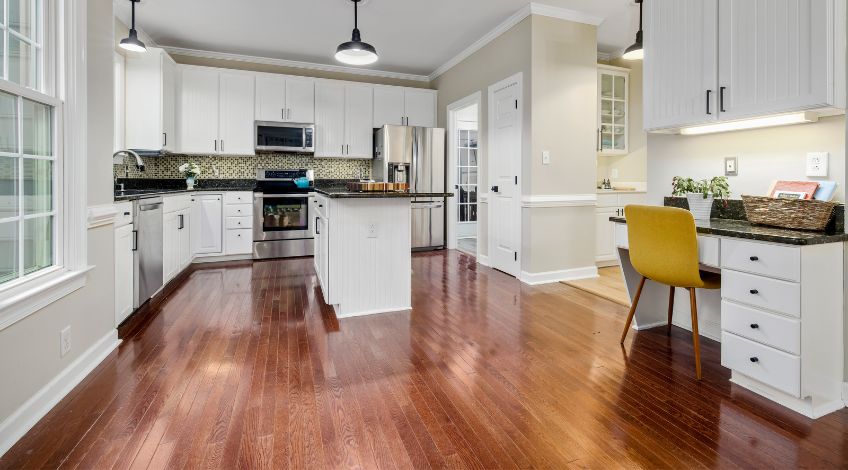
Not all floors need the same type of cleaner. Using the wrong one could be doing more harm than good.
- Laminate and vinyl flooring
Too much water or harsh detergent can make the surface sticky and dull. Use a damp (not soaking wet) mop and a gentle pH neutral cleaner. - Tile floors
These can handle stronger solutions but still need to be rinsed properly. - Wood floors
Real wood hates too much moisture. A light, specific wood floor cleaner is best and should be used sparingly.
Check the label of your floor cleaner. If it says “no rinse”, it should evaporate clean but only when used in the correct dilution.
How To Mop Your Floor Without Leaving A Sticky Residue
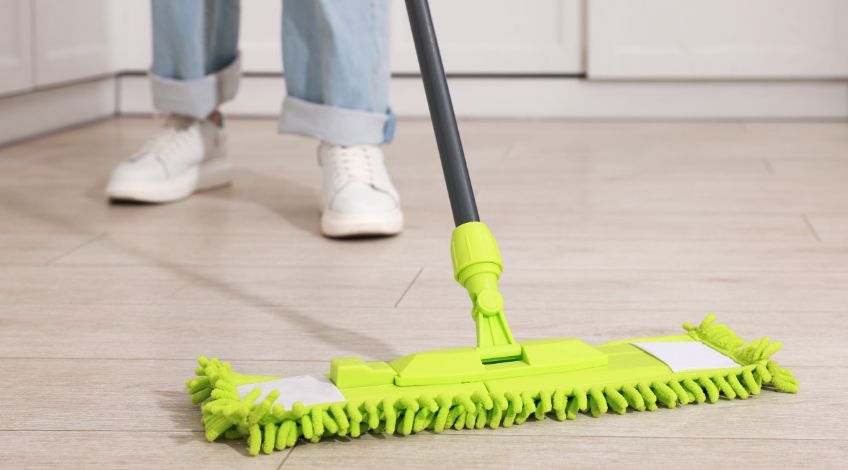
Getting rid of the sticky feeling starts with improving your technique. Here’s how to mop the right way:
- Dilute the cleaner properly. More isn’t better. Follow the instructions on the label.
- Use two buckets – one for the cleaning solution, one for rinsing your mop. This stops you from spreading dirt back onto the floor.
- Rinse the mop regularly to avoid pushing around dirty water.
- Change the water often, don’t wait until it turns grey.
- Dry the floor afterwards with a microfibre cloth or towel to avoid streaks or water spots.
If your floors are already sticky, fill a bucket with warm water and a splash of white vinegar, mop the floor again, and dry thoroughly. This will cut through residue and help reset the surface.
What About Steam Mops?
Steam mops are popular in UK homes, especially for tiled or sealed laminate floors. They can lift grease and kill bacteria without chemicals but only if the floor is suitable.
If your floor isn’t properly sealed, steam can cause damage. And if you’ve previously used chemical cleaners, heat from a steam mop can cause those leftover residues to rise and make the floor feel stickier.
Always clean any product buildup first before using a steam mop and check that your flooring is steam safe.
Pass This Sticky Floor Fix On To Someone Who Needs It!
Managing daily life is hard enough without dealing with sticky floors after mopping. Share it online to help others keep their floors feeling fresh, not tacky.
SEE ALSO: Is Lemon Juice Good For Cleaning The Floor?
Also, follow us on Pinterest ...