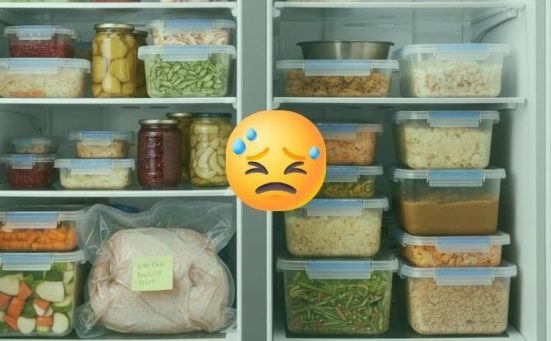
The Right Way To Store Leftover Pasta (So It Doesn’t Go Slimy)
Picture this: you’ve spent Sunday prepping meals for the week ahead, carefully portioning out perfect servings of pasta for quick weeknight dinners. But come Wednesday, you open that container to find a disappointing, slimy mess that looks nothing like the gorgeous dish you prepared just days ago.
Sound familiar? If you’re a meal prepper who’s tired of watching beautifully cooked pasta turn into an unappetising glob, you’re not alone. The secret to keeping your pasta fresh, separate, and delicious all week long isn’t complicated, but it does require knowing a few simple tricks that most people get completely wrong.
Let’s transform your meal prep game with storage methods that actually work, ensuring your pasta stays as good on Friday as it was on Sunday!
Why Pasta Goes Slimy (And How To Prevent It)
Understanding why pasta becomes slimy is the first step to preventing it. When pasta cools down, the starches on its surface start to stick together, creating that unpleasant, gluey texture we all know and hate.
This happens because most people make one crucial mistake: they store their pasta immediately after cooking without taking any preventive measures. The residual heat and moisture create the perfect environment for starches to bond together, turning your perfectly cooked penne into a sticky disaster.
The good news? This is completely preventable with the right approach to cooling and storing your pasta.
Rinse Your Pasta (But Only Sometimes)
Here’s where things get interesting. While you should never rinse pasta that you’re serving immediately, rinsing is actually your best friend when it comes to meal prep storage.
After your pasta is cooked to perfection, drain it and give it a quick rinse under cold running water. This stops the cooking process instantly and washes away the excess starches that cause clumping. The cold water shock also helps firm up the texture, making your pasta more resistant to becoming mushy during storage.
For meal preppers, this step is absolutely essential. Those extra starches might add flavour when you’re eating immediately, but they’re the enemy when you need your pasta to stay separate for days.
Cool It Down Properly
Never put hot pasta straight into the fridge. This might seem obvious, but you’d be surprised how many people skip this crucial step when they’re rushed.
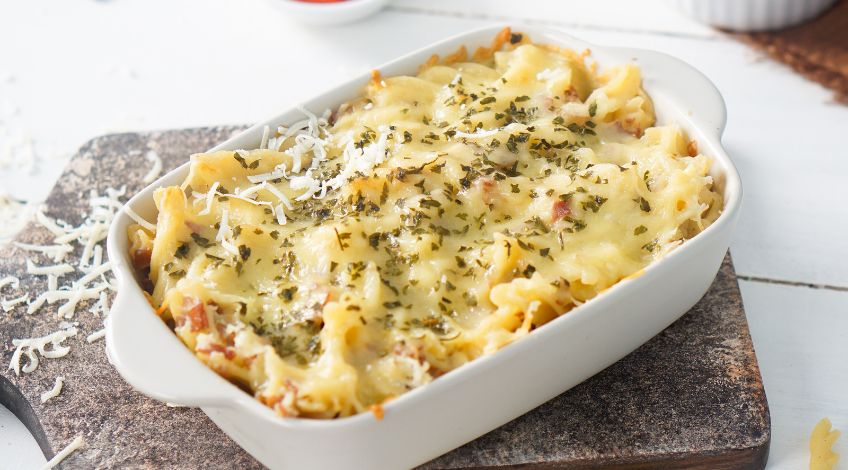
Hot pasta creates condensation in your storage container, which adds extra moisture that encourages clumping. Instead, spread your rinsed pasta on a large baking sheet or wide shallow dish and let it cool to room temperature first. This typically takes about 15 to 20 minutes.
During this cooling period, give the pasta a gentle toss every few minutes with a large spoon or tongs. This prevents it from settling and sticking together while it cools.
The Best Storage Methods For Different Pasta Types
Not all pasta shapes are created equal when it comes to storage, and your approach should vary depending on what you’re working with.
Long Pasta (Spaghetti, Linguine, Angel Hair)
Long pasta presents unique challenges because the strands love to tangle together. After rinsing and cooling, lightly toss your long pasta with a small amount of olive oil. Use about one teaspoon per serving, just enough to coat the strands without making them greasy.
Store in wide, shallow containers rather than deep ones. This allows you to create thinner layers that are easier to separate when reheating. If you must use a deeper container, portion the pasta into serving sized sections using parchment paper dividers.
Short Pasta (Penne, Fusilli, Rigatoni)
Short pasta shapes are generally more forgiving, but they can still clump together if not stored properly. The same rinsing and cooling principles apply, but you can often skip the oil if you’re planning to use the pasta within three to four days.
For longer storage, a light coating of oil still helps. Focus on getting the oil into the grooves and curves where these shapes tend to stick together most.
Stuffed Pasta (Ravioli, Tortellini)
Stuffed pasta requires extra gentle handling. After cooking, immediately transfer to an ice bath to stop the cooking process, then drain thoroughly. Never rinse stuffed pasta as the water can get inside and make the filling soggy.
Pat each piece dry with kitchen towel and arrange in a single layer on parchment lined trays. Once completely cool, you can layer them in containers with parchment paper between each layer.
Container Selection That Makes All The Difference
The container you choose can make or break your pasta storage success. Glass containers with tight fitting lids are your best bet because they don’t absorb odours and provide an airtight seal without being completely hermetic.
Avoid containers that are too deep. Wide, shallow containers allow for better air circulation and make it easier to remove portions without disturbing the rest. If you only have deep containers, portion your pasta into smaller amounts using dividers or separate containers.
Reheating Without Creating Mush
Proper reheating is just as important as proper storage. Never microwave pasta directly from the fridge, as the uneven heating will create hot spots and cold clumps.
For best results, add a splash of water to your pasta before reheating. This creates steam that helps separate the pieces and prevents them from drying out. Cover your container with a microwave safe plate or microwave safe cling film with a few holes poked in it.
Heat in 30 second intervals, stirring between each interval. This ensures even heating and gives you control over the final texture.
Stovetop Reheating For Best Results
If you have a few extra minutes, stovetop reheating gives superior results. Add your pasta to a pan with a splash of water or broth over medium heat. Toss gently until heated through.
This method gives you better control and often results in pasta that tastes freshly made rather than reheated.
How Long Different Pasta Types Stay Fresh
Understanding the shelf life of your stored pasta helps you plan your meals more effectively and ensures food safety.
Plain cooked pasta stored properly will stay fresh for three to five days in the refrigerator. However, pasta mixed with dairy based sauces should be used within two to three days, while pasta with oil based sauces can often last the full five days.
Trust your senses: if the pasta smells off, has a slimy texture even after proper storage, or shows any signs of mould, discard it immediately.
Freezing Pasta For Longer Storage
For meal preppers who want to prepare even further in advance, properly stored pasta can be frozen for up to three months. Portion it into freezer safe containers, leaving about an inch of headspace for expansion.
When ready to use, thaw overnight in the refrigerator before reheating. Never refreeze previously frozen pasta, as this significantly degrades the texture.
Keep Your Weekly Meal Prep Game Strong
Mastering pasta storage is just one part of successful meal prepping, but it’s a crucial one. When you can confidently prepare pasta on Sunday knowing it will still be delicious on Thursday, your entire meal prep routine becomes more efficient and enjoyable.
Remember the key principles: rinse when storing, cool completely before refrigerating, use the right containers, and be strategic about oil and portioning. With these techniques, you’ll never have to face another container of slimy, disappointing pasta again.
Your future self will thank you when you open that container midweek to find perfectly separated, ready to reheat pasta that looks and tastes like it was just cooked!
SEE ALSO: Can You Eat Eggs After Their Expiry Date?
Also, follow us on Pinterest ...