The Secret to Whiter Laundry Without Bleach Might Already Be in Your Fridge
We all like our white clothes looking as white as possible and many of us reach for the bleach to achieve this. But using bleach can be dangerous and in some cases counter productive.
DId you know that mixing bleach with vinegar can produce harmful, toxic gases that can cause serious injury. According to a 2015 study published in Science Daily, regular bleach use was linked to a higher incidence of respiratory illness in children.
This can sound quite alarming especially as all you were trying to do was get your whites white. But it’s not all bad news, stick with us as we reveal the secret to getting whites white without resorting to bleach. One of these methods most households already have in the fridge which makes it super convenient because there’s no need to go out and buy any special ingredients.
Why Bleach Isn’t Always The Best Option
Aside from the health concerns of using bleach, it doesn’t always get the results you were hoping for where whites are concerned. The overuse of bleach in white laundry can result in items yellowing.
This is particularly true of synthetic fabrics like polyester and nylon which will discolour if too much bleach is used. Bleach can remove whitening agents that are often added to fibres to make them appear whiter than white.
Plus even natural fibres like linen and cotton will weaken if exposed to too much chlorine bleach. Which means your clothes won’t last too long before developing tears or fraying if you regularly use bleach.
The Best & Safest Bleach Alternatives
| Bleach Alternative | Best For | How To Use |
|---|---|---|
| Lemon Juice | Sweat, Rust, Ink | 1 cup in wash |
| White Vinegar | Yellowing | Soak overnight |
| Baking Soda | Food, Oil, Grease, Sweat | Add to detergent |
| Hydrogen Peroxide | Blood, Coffee, Tea | 1 cup in rinse |
| Borax | Dull Whites | Soak for 30 to 60 minutes |
If you own white clothes, you’re going to want them to remain white and definitely return from the washing machine clean and white. But now you know that bleach might not be the best bet, let’s look at a few alternatives that will whiten your clothes, without causing any damage to you, your clothes or the environment.
Lemon Juice
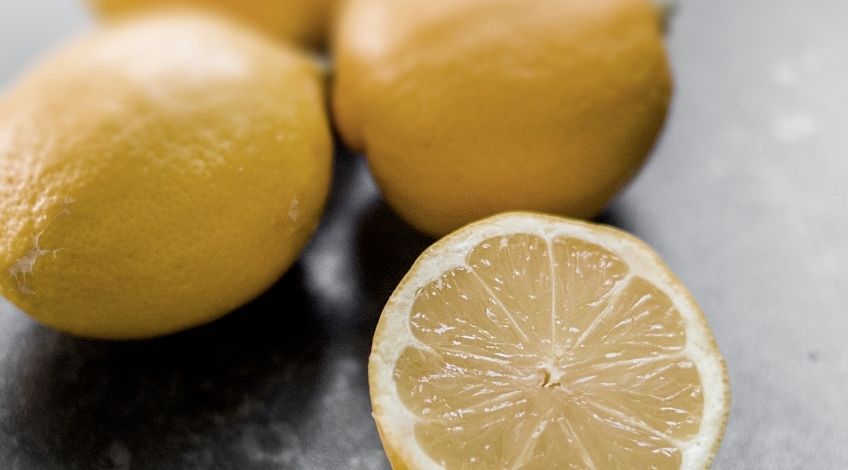
We’ll start with the one most households already have in the fridge, the common lemon. The citric acid in lemon juice works as a natural bleaching agent and will break down stains and lift them from your laundry.
It’s particularly good for combatting stains caused by;
- Ink
- Sweat
- Rust
Plus, lemon juice has a nice fresh scent that will also help to remove any bad smells from your laundry as well.
Simply add 1 cup of fresh lemon juice to the wash along with your regular detergent and wash in the usual way.
White Vinegar
Another household staple, distilled white vinegar makes a great soak to brighten your whites. The acidity of the vinegar helps to break down stains and remove yellowing which helps to restore the brightness of your whites.
All you need to do is mix one gallon of hot water with one cup of distilled white vinegar in a bucket and immerse your white items in the bucket and leave them to soak overnight. The white vinegar also acts as a fabric softener which will help remove any static cling and keep your whites feeling soft.
Once the soak has been completed, just wash your garments in the usual way with your regular detergent.
Baking Soda
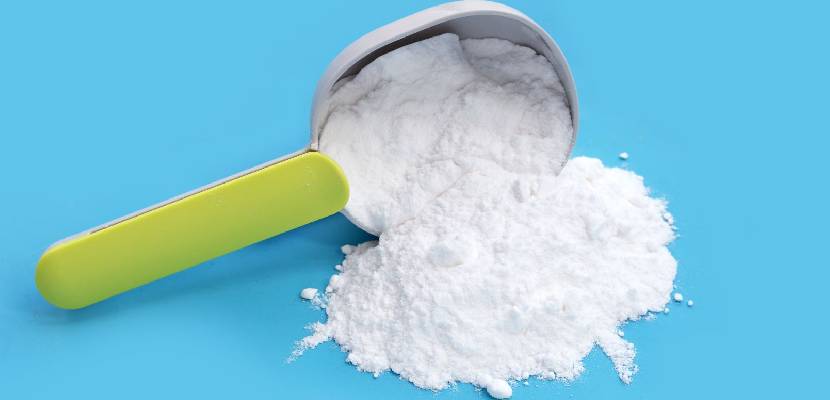
Baking soda is an affordable and versatile household item that has many uses around the home. It is a natural, non toxic cleaner and a great alternative to chlorine bleach which can be harmful to people and the environment.
Baking soda helps whiten clothes by removing yellowing and discolouration from clothes making them look brighter and fresher. It’s also great for removing stains like;
- Sweat
- Food
- Oil
- Grease
It works by breaking down their chemical structure which means they’ll wash away easier.
All you need to do is add one cup of baking soda to your wash along with your regular detergent. If your clothes are heavily soiled, they can be soaked in a solution of baking soda and warm water for a few hours first.
Hydrogen Peroxide
Hydrogen peroxide is another safe and effective alternative to chlorine bleach for getting clothes white. It works by breaking down the chemical bonds in stains which makes them easier to remove from your clothes.
It’s very good at removing;
- Blood
- Tea
- Coffee
And it’s a natural disinfectant which means it helps to remove germs and bacteria from your clothes as well.
Before using hydrogen peroxide on your clothes, do a swab test on an inconspicuous area first to check for any discolouration of the fabric. If it is safe to use, simply add one cup to the washing machine during the rinse cycle.
Borax
Borax is a natural mineral and can be used instead of chlorine bleach to whiten whites. It will help to remove stains and cut through any grime that’s causing white clothes to appear dull or grey.
Just mix a half a cup of powdered borax with one gallon of warm water and submerge the white items in the solution for anywhere between 30 to 60 minutes. After soaking, the items should be washed in the usual way using your regular detergent.
Borax also has deodorising properties which means it will help to remove any bad smells from your whites as well.
Make The Switch For A Safer, Whiter Clean
Keeping your whites bright doesn’t have to come at the cost of your health, your clothes, or the environment. With natural alternatives like lemon juice, vinegar, and baking soda, you can achieve a fresh, clean wash without relying on harsh chemicals.
These simple, affordable solutions are already in your home, and they work. So next time you do laundry, skip the bleach and try one of these natural whiteners instead.
Ready to give it a try? Pick one method from this list and test it out on your next load of whites. You might be surprised just how bright your laundry can be, naturally.
SEE ALSO: The “Lazy Girl” Folding Hack That Saves Hours Of Laundry Time
Frequently Asked Questions
White vinegar is generally safe for most fabrics, but it’s best to avoid using it on delicate items like silk or rayon. When in doubt, do a patch test on a small area first.
You can use them as often as needed. For regular maintenance, once every 2 to 3 washes is usually enough to keep whites bright without damage.
It’s better to limit soaking time with hydrogen peroxide to 30 minutes to an hour. Prolonged exposure can weaken some fabrics or cause slight fading on coloured areas.
Also, follow us on Pinterest ...