The Surprising Thing That’s Making Your Home Feel Colder In Winter
You’ve turned up the thermostat. You’ve sealed your windows. You’ve even bought thicker curtains.
But your home still feels cold and your energy bill keeps creeping up. Sound familiar?
What many UK households don’t realise is that one overlooked issue could be making your home feel colder than it actually is.
It’s not your boiler. It’s not draughts. It’s your furniture placement, especially if you’ve got a sofa or large cabinet sitting in front of your radiator.
Blocking Radiators Is Making Your Home Colder Than It Should Be
It’s a common setup in British homes: a big comfy sofa placed under the window, right in front of the radiator. It looks neat, it saves space and it feels cosy.
But in winter, that furniture is absorbing the heat meant for the rest of the room. When you block a radiator with heavy furniture, it traps the warm air and stops it from circulating properly.
This means the heat stays behind the sofa, warming the back of your furniture instead of you. As a result, the room feels colder and you end up turning the heating up higher than needed.
It’s one of the most common heating mistakes, especially in older properties where radiator placement isn’t ideal.
Why Radiator Airflow Matters In UK Winters
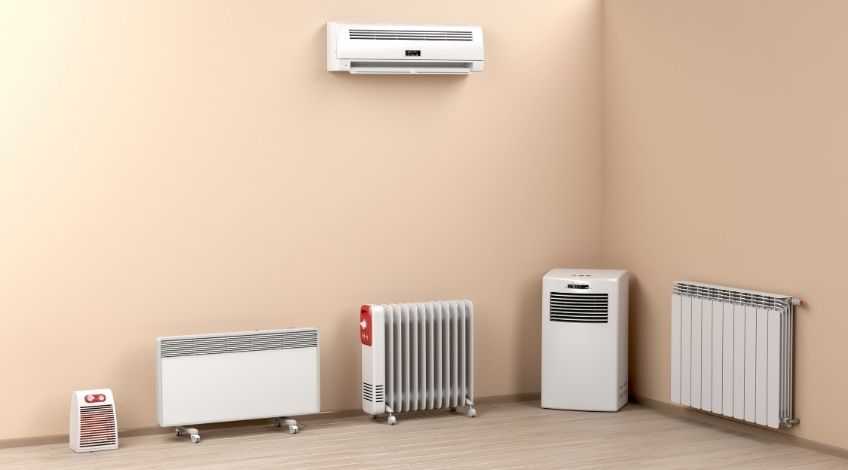
Unlike underfloor heating or forced air systems, most homes in the UK use wall mounted radiators.
These work by radiating heat outward and allowing warm air to rise and circulate. For this to work properly, radiators need space mainly in front.
When something blocks the heat, the room takes longer to warm up. You may also notice cold patches, mostly near doors or opposite corners.
And in some cases, the thermostat gets confused and turns off the heating too early, because it thinks the room is already warm (when in fact, only the space behind your sofa is).
What To Do Instead: Easy Fixes For Better Warmth
You don’t need to rearrange your entire home, but small changes can make a big difference. Here’s what you can do:
- Leave a gap of at least 15 to 20cm between your furniture and the radiator to allow heat to move freely.
- Use heat reflector panels behind the radiator if it’s on an external wall, which helps bounce warmth back into the room.
- Avoid long curtains covering radiators, as these also trap heat near the window.
- Move large furniture temporarily in winter, especially if you only use the room in the evenings.
- Keep radiators clean and bled, so they work at full efficiency.
Even just pulling the sofa forward a little can help the room feel warmer without touching the thermostat.
Other Hidden Things Making Your Home Feel Cold
Blocked radiators aren’t the only thing stealing your warmth. Many UK homes lose heat in ways that go unnoticed.
Draughts under doors, especially near hallways or porches, let cold air creep in. Old wooden floors without proper insulation can let heat escape, usually if there’s no underlay or carpet.
Loft hatches that aren’t sealed properly leak warm air upwards and unused chimneys can act like open vents if they aren’t blocked off with a draught excluder.
Even closing too many internal doors can stop warm air from flowing evenly around the house.
It’s worth checking these small areas. Fixing just one could make your home feel warmer without touching the thermostat.
Help Others Find Out What’s Making Their Home Feel Cold!
With these clever tips, even those with no spare time can tackle the problem behind a chilly home. Share this article on social media so others can learn the surprising reason too!
SEE ALSO: The Right Way To Store Your Winter Boots (So They Don’t Smell Or Crack)
Also, follow us on Pinterest ...