The Ultimate Guide To Removing Black Mould From Your Home
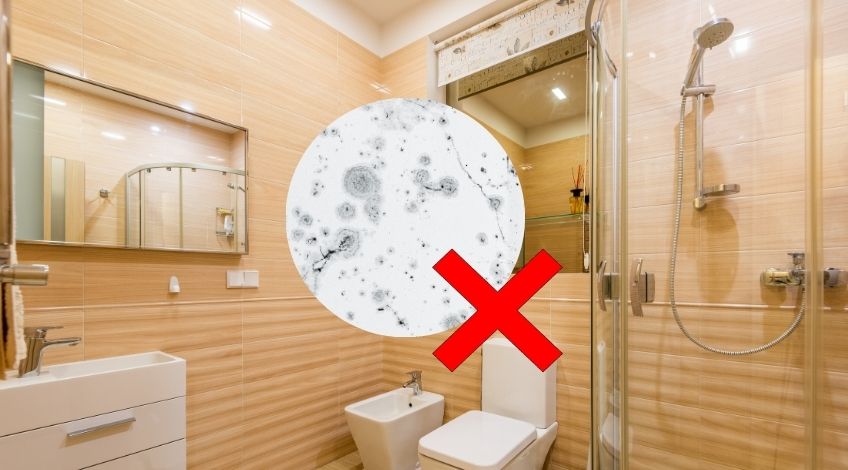
Black mould is unsightly, can be damaging to your health and can also be difficult to get rid of. It thrives in damp, poorly ventilated areas and can spread quickly if not addressed. Prolonged exposure to mould spores can lead to respiratory issues, allergies, and skin irritation, making its removal essential for a healthier home environment.
Which is why we put together this brief guide to help you understand what you’re dealing with and show the best ways to eradicate it from your home. Have you ever noticed stubborn black spots creeping into your bathroom corners or along window frames? These could be signs of mould infestation, and addressing it promptly is key to preventing further damage.
Make sure you read to the bottom of the page so that you can be armed with the best and most effective ways to get black mould evicted from your home.
What Is Mould?
Mould is a type of fungus that thrives in damp, warm environments. It often appears in areas with high humidity, such as bathrooms, kitchens, basements, and around windows. Mould spores spread through the air and can settle on various surfaces, feeding on organic materials like wood, fabric, and plasterboard.
Beyond being an aesthetic nuisance, mould can cause health issues such as respiratory problems, allergies, and skin irritation. Effective mould removal and prevention are essential for maintaining a safe and healthy home.
General Steps For Mould Removal
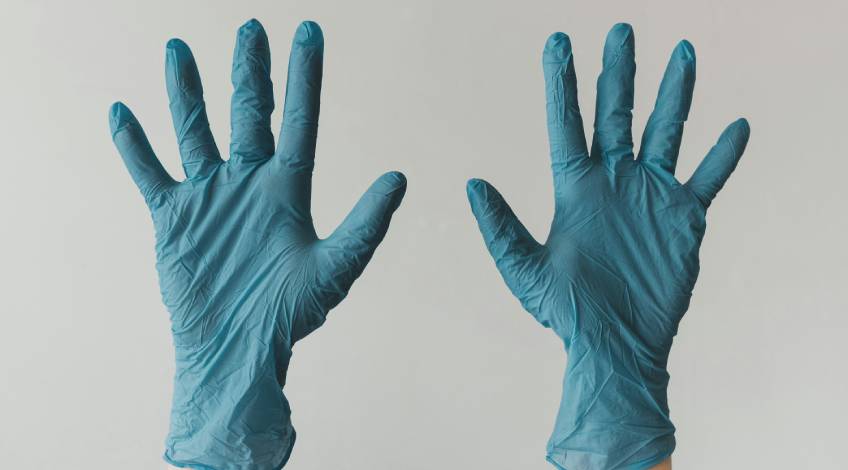
Let’s start by looking at the most effective ways to deal with mould;
- Assess The Affected Area
You need to identify the extent of mould growth and check for any underlying moisture issues. Look for signs of hidden mould such as musty smells, peeling paint or discoloured walls. - Gather Necessary Supplies
You will need PPE including;- Rubber Gloves
- Safety Goggles
- Mask
- Scrubbing Brush/Sponge
- White Vinegar
- Baking Soda
- Hydrogen Peroxide
- Commercial Mould Remover
- Microfibre Cloths
- A Vacuum With A HEPA Filter
- Ensure Proper Ventilation
Open windows and use fans to improve air circulation and avoid spreading spores by sealing off unaffected areas. - Apply Cleaning Solution
Different cleaners require different application methods;
- Vinegar
Spray undiluted vinegar onto mould, let sit for an hour, and scrub. - Baking Soda
Mix with water to create a paste, apply, scrub, and wipe clean. - Hydrogen Peroxide
Apply 3% solution (neat), let it sit for 10 minutes, and scrub.
- Dry The Area Completely
Use dehumidifiers or fans to remove moisture. Ensure the room remains well ventilated to prevent mould from returning. - Prevent Future Growth
Fix leaks and reduce humidity with a dehumidifier. Regularly clean and inspect vulnerable areas. Consider using moisture absorbing products like silica gel or charcoal bags in wardrobes.
Mould Removal For Specific Areas
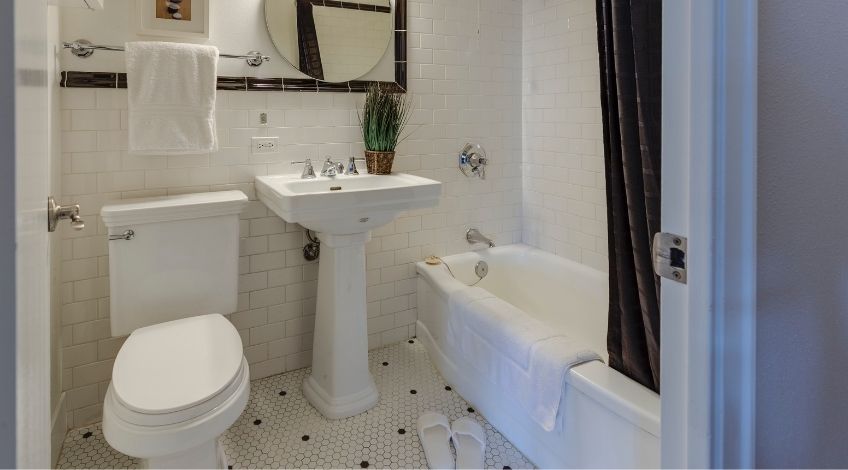
Now let’s look at how to tackle mould in different rooms and areas of your home;
Bathroom
- Tiles & Grout
Use a vinegar spray and scrub with a stiff brush. - Shower Curtain
Wash with hot water and detergent or replace if heavily moulded. - Ceiling & Walls
Apply hydrogen peroxide solution and wipe clean. - Ventilation
Install an exhaust fan or open windows to reduce humidity. - Shower Door Seals
Wipe down regularly as mould often accumulates here.
Kitchen
- Sink & Countertops
Clean with a baking soda paste or vinegar. - Refrigerator & Pantry
Check for moisture buildup, clean with vinegar. Pay close attention to fridge door seals. - Under the Sink
Inspect for leaks and wipe with hydrogen peroxide.
Living Room & Bedroom
- Carpets & Upholstery
Vacuum with a HEPA filter, steam clean if necessary. - Walls & Ceiling
Wipe with a damp cloth and vinegar solution. - Furniture
Clean wooden surfaces with a vinegar and water mixture. - Mattresses & Bedding
Wash bedding regularly and air out mattresses. - Wardrobes & Drawers
Use moisture absorbing products like silica gel to prevent dampness.
Basement & Attic
- Walls & Floors
Scrub with hydrogen peroxide or a mould specific cleaner. - Stored Items
Check for damp cardboard boxes, replace them with plastic bins. - Ventilation
Use dehumidifiers to keep humidity below 50%.
Heating (HVAC) Systems
- Air Ducts
Have them professionally cleaned if mould is present. - Filters
Replace filters regularly and use HEPA filters. - Drip Pans
Ensure they are cleaned and dried frequently.
Mould Prevention Tips
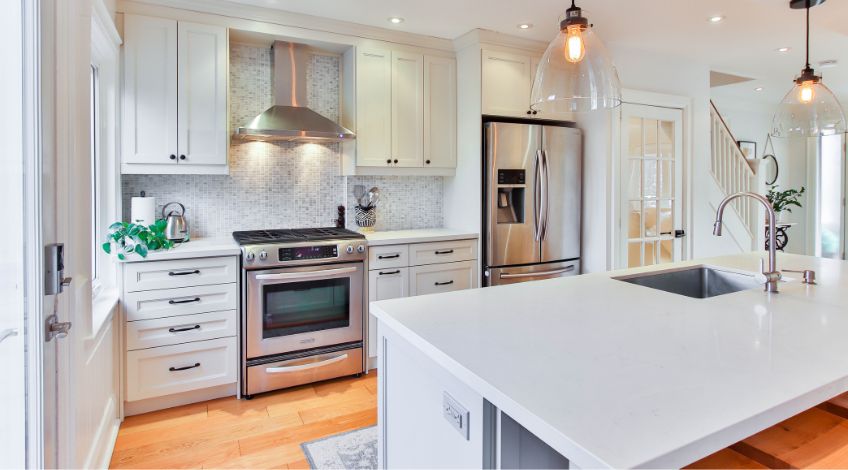
Once you have successfully removed all traces of mould from your home, you’ll want to prevent it from returning. Here are a few additional tips;
- Maintain Low Humidity
Keep levels between 30 to 50%. - Improve Ventilation
Open windows, use exhaust fans, and ensure proper airflow. - Fix Leaks Promptly
Address any plumbing or roof leaks immediately. - Use Mould Resistant Paint
Especially in high moisture areas. - Regular Cleaning
Wipe down surfaces prone to dampness weekly. - Incorporate Houseplants
Certain plants, such as peace lilies and snake plants, can help absorb excess moisture from the air. - Schedule Periodic Home Inspections
Regularly check high risk areas for early signs of mould growth.
By following these steps, you can effectively remove mould and prevent its return, creating a safer and healthier living environment.
You might want to bookmark this article for future reference and share it with your socials so all of your friends and family can benefit from a mould free environment!
Have any tried and tested mould removal tips? Share them in the comments below!
SEE ALSO: How Working Mums Keep Their Homes Smelling Fresh On A Tight Schedule
Also, follow us on Pinterest ...