Think You’re Good at Spring Cleaning? These 15 Mistakes Might Prove You Wrong
Let’s face it, if we’re being honest, nobody likes Spring cleaning. It’s made an even more thankless task because we know that all of that mess will return in a short while anyway.
Plus, even experienced Spring cleaners make mistakes that make Spring cleaning a time consuming, costly task. We have spoken to professional cleaners and they’ve given us a list of common mistakes that make Spring cleaning even harder.
Keep reading because we’re going to share those mistakes with you so that your Spring clean will be better, take less time and last for longer.
Why Is It Called Spring Cleaning?
Before we get into the common mistakes that hinder your Spring cleaning efforts, let’s take a brief look into why it’s called Spring cleaning. The reason it’s called Spring cleaning is because it was traditionally in the Spring that householders embarked on their yearly full house clean up.
The reasons are many but include;
- Practical Reasons
In years gone by, houses often got filled with dust and soot from winter fires and paraffin lamps. Spring allowed the homeowners to open windows and let fresh air in while they got on with a deep clean. - Religious Reasons
Spring cleaning is also connected to religious events like the Passover and the first week of Lent where cleaning and preparing homes are part of the tradition. - Symbolic Reasons
Life in past times held onto symbolic practices as well, and Spring cleaning represents the transition from winter to spring, a time of rebirth and new beginnings.
The 15 Reasons Why You Could Be Spring Cleaning Wrong
Before you start your next spring clean, consult this list just to make sure that you’re not making some of the most common spring cleaning mistakes. They include;
1. Spraying Cleaner Directly On To Surfaces
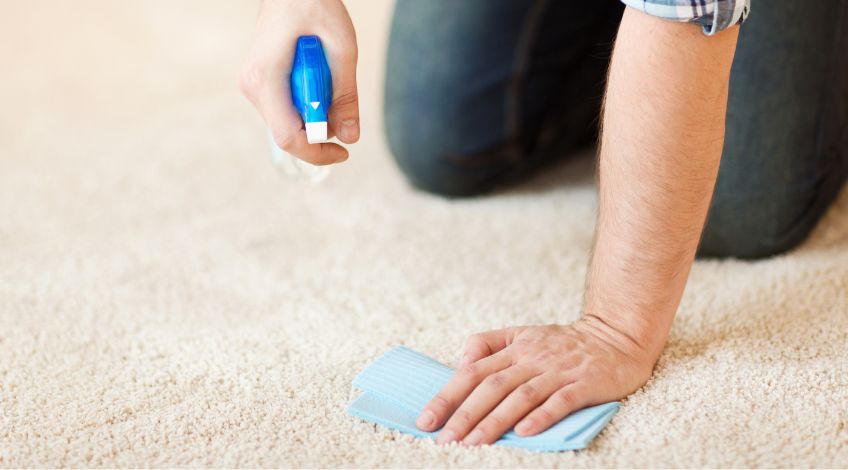
If you spray cleaner directly onto surfaces like countertops, glass and furniture it can lead to streaking, a residual build up of product and even damage to wooden items.
You should spray the cleaner onto a microfibre cloth and wipe the surface with the cloth.This not only prevents over saturation, but it also gives you more control.
However, when it comes to sinks, you should apply the disinfectant directly to the surface and allow it to sit for a few minutes before wiping away. But it’s best practice to clean the surface first using warm soapy water and then applying a sanitiser or disinfectant afterwards.
2. Using Too Much Cleaner
When it comes to using cleaning products, more isn’t always better. The trouble is that overloading surfaces with detergent, soap or polish leaves a residue behind that actually attracts dirt and dust.
You should always read the label and follow the instructions. In most cases, cleaning products are designed to work efficiently when a small amount is used. Remember a small amount of product goes a long way.
Laundry Detergent
While we’re on this subject, let’s briefly talk about laundry detergent. Using too much detergent can increase the risk of skin irritation and a buildup of detergent in your washing machine leading to drainage and other issues.
Clumps of excess detergent hanging around in your washer can also lead to mould and mildew growth. This could make all of your laundry smell funky even after being washed.
3. Not Giving The Cleaner Time To Work
When you apply a cleaning product to a surface you should allow it time to sit and do its work before removing. If you read the instruction label it will tell you to allow a period of time before removing the product.
This is known as contact time and it’s essential to allow the recommended contact time when using these products.
4. Not Using Microfibre Cloths For Dusting
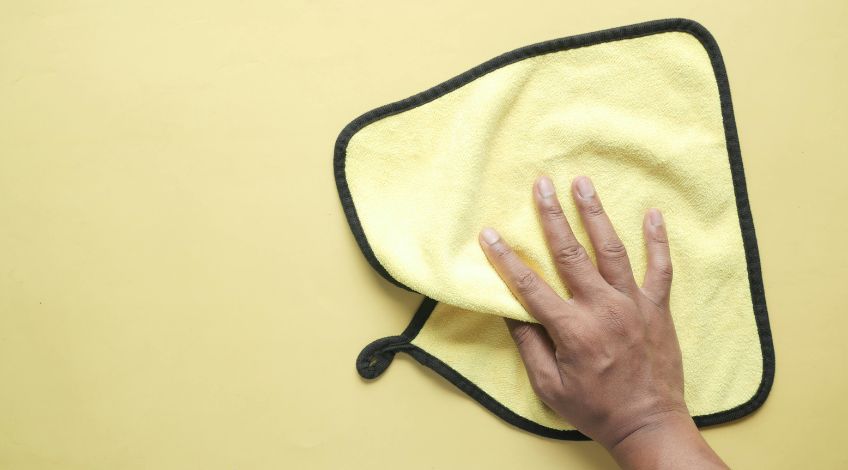
Microfibre cloths have earned their place in your cleaning tool kit, they make light work of many cleaning tasks and are even great for dusting surfaces as well. It turns out that microfibre cloths are positively charged which means they attract negatively charged dirt and dust.
This means you’ll pick up more dirt and dust using a microfibre cloth than you would using a cotton cloth for example. Plus, microfibre cloths dry faster than cotton too.
5. Forgetting High Touch Areas
For those of you that are not familiar with the term high touch areas, it means all of those places that get touched the most in your home. Think about light switches, doorknobs, the handle on the fridge and the remote control for the TV.
These areas become a breeding ground for all manner of germs and bacteria but often never get cleaned at all. It takes literally seconds to wipe these areas with some cleaner on a microfibre cloth and will make all the difference to your home’s cleanliness.
6. Not Cleaning Cleaning Tools
If you always use the same items to clean your home without ever washing them, all you’re doing is spreading dirt and germs all around your home. Many people use the same dirty cloth, sponge, mop or even vacuum cleaner filter for months on end.
You should be disinfecting cleaning cloths and sponges every day, washing mop heads in hot water after every use and cleaning the filter in the vacuum regularly.
Dish sponges should be replaced every couple of weeks and toilet brushes should be disinfected after every use in a solution of one part bleach to ten parts water.
7. Over Diluting Floor Cleaner

Once again, this comes down to not reading the label for instructions on how to use it. If you dilute your floor cleaner too much, it can’t do its job properly.
Added to which, using too much water on the floor can cause damage to some floor surfaces. Hardwood floors for example should never be washed with hot water as it can be damaged easily. Likewise linoleum floors are also susceptible to damage from too much water.
8. Using Distilled White Vinegar For All Cleaning Jobs
Distilled white vinegar is often touted as the cleaner’s best friend and it does have its place in your cleaning arsenal. But white vinegar can damage certain surfaces and items including;
- Hardwood Floors Or Worktops
- Stone Tile Flooring
- Copper & Aluminium Cooking Pots
- Anything Rubber
However, white vinegar is a great degreaser and limescale remover.
9. Forgetting About Skirting Boards
Many householders regularly clean their floors but forget about the skirting boards. It’s surprising just how much dirt, dust and grime can accumulate on skirting boards.
You should get into the habit of wiping down the skirting boards every time you wash the floors to prevent a buildup of pet hairs, dirt, dust and grime.
10. Mixing Cleaning Products
Once you get going with the spring cleaning it can be easy to get carried away and mix cleaning products. You’re cleaning the bathroom cabinets for example as well as the toilet. Obviously you use different cleaning products for these two very different areas. But it’s so easy to mix up the two which could have seriously bad health implications.
You should never mix bleach and ammonia products because these products when mixed create a potentially harmful gas that can cause eye, nose and throat irritations and even death in extreme cases.
11. Using Grout Cleaner Before Prepping The Area
It’s a waste of time applying grout cleaner unless the area has been wiped down first. It’s also a good idea to try to remove any large buildup of grime from grout using a safety razor to gently lift the gunk.
Once the area has been fully prepped, then you can use grout cleaner. But make sure that you follow the instructions on the label.
12. Ignoring The Tough Jobs
You are cleaning the kitchen regularly but always manage to conveniently forget about the oven. We’ve all been guilty of this one because life’s too short to worry about dirty, greasy ovens right?
Take the time to just get on with cleaning the oven, it might take a while especially if it’s not been cleaned in the past five years, but once it’s done it’ll be worth it.
With the added bonus that it will only take a few minutes next week once it’s been thoroughly cleaned.
13. Trying To Do Too Much In One Go
Deep cleaning takes time and effort and often can’t all be done in one go. You need to formulate a plan whereby you tackle one room at a time. Set aside one day for cleaning the bathroom, another day for cleaning the kitchen and so on.
And don’t devote the whole day to cleaning, once you’ve finished that particular room, take a break, you’ve earned it.
14. Starting With The Floor
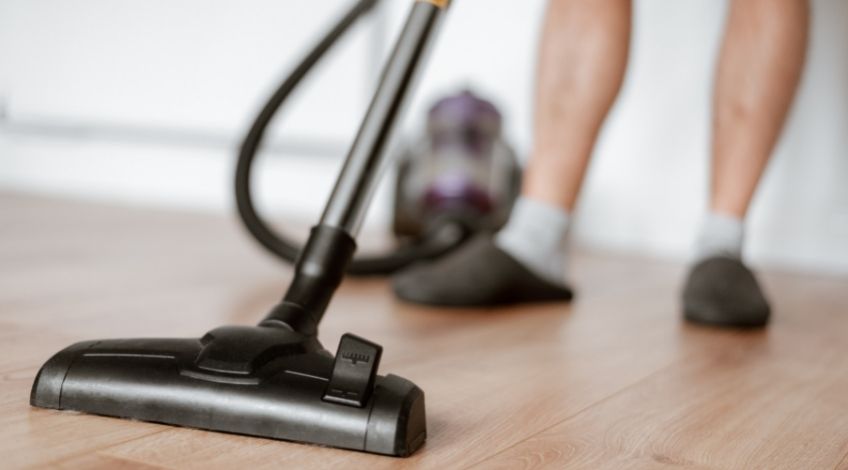
When you start dusting, all of the disturbed dust will automatically fall to the floor. Which means the floor will need to be vacuumed or mopped again after doing the room’s other surfaces.
Always start with the highest point of the room and work downwards. Finishing off with the floors means less work and a truly clean room.
15. Keeping Windows Closed
One of the main reasons why it’s called spring cleaning is because it was traditionally done in the spring. Householders would throw open their windows and allow fresh air into their dirty, dusty homes.
We should also open our windows when spring cleaning to bring in fresh air and ventilate our rooms when using chemical cleaners.
Make This Spring The Cleanest Yet
Spring cleaning doesn’t have to be overwhelming, and avoiding these common mistakes can save you time, money, and effort. By being mindful of your methods and using the right tools and techniques, you’ll set yourself up for a home that feels fresher, cleaner, and more inviting.
So before you grab your mop or spray bottle, take a minute to plan your approach, check your products, and work smarter, not harder. Ready to level up your spring clean? Share this list with a friend and challenge each other to tackle at least one room this week.
SEE ALSO: Stop Making These 10 Cleaning Mistakes! You’re Only Spreading More Dirt
Frequently Asked Questions
Spraying cleaner directly onto surfaces can cause streaks, leave residue, or damage surfaces. It’s better to spray onto a microfibre cloth and then wipe.
Using too much cleaner or detergent can leave a residue that attracts dirt and dust, and in the case of laundry detergent, it can cause skin irritation and damage your washer.
Microfibre cloths attract dirt and dust due to their positive charge and dry faster than cotton, making them more efficient for cleaning.
It’s a mistake to start cleaning with the floor because dust and debris from higher surfaces fall to the floor, so it’s best to clean top to bottom and finish with the floor for a thorough clean.
Also, follow us on Pinterest ...