Meat Gets the Blame, But THIS Common Food Is the Real Poisoning Risk
When people think of food poisoning, they often blame raw meat, poultry or eggs. While these foods do carry risks, they are not the biggest culprits behind widespread outbreaks.
In fact, one of the most unexpected foods, a staple in many healthy diets, is actually far more likely to cause serious foodborne illnesses.
Surprisingly, leafy greens have been linked to more food poisoning cases than any other food in recent years. With multiple recalls and outbreaks of E. coli, listeria, and salmonella, these seemingly harmless vegetables pose a hidden danger that many people overlook.
Why Leafy Greens Are a Bigger Risk Than Meat
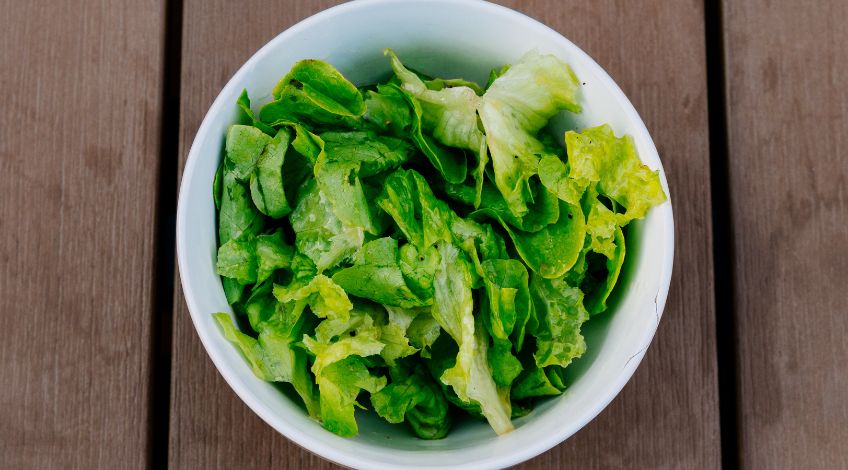
Unlike meat, which is often cooked before consumption, leafy greens are frequently eaten raw, meaning any bacteria present on the leaves go directly into your system. Here are some key reasons why leafy greens carry a higher risk of food poisoning:
Contaminated Irrigation Water
Many farms use water from rivers, lakes, or wells to irrigate crops. If this water is contaminated with animal waste or bacteria, it can spread pathogens like E. coli and listeria onto the leaves of fresh greens.
Without proper testing and filtration, these bacteria remain on the leaves and cannot be easily removed. Even when washed, traces of contamination can persist, increasing the risk of foodborne illness.
Cross Contamination During Processing
Pre-washed and bagged salads are processed in large facilities where bacteria from a single contaminated batch can spread quickly across thousands of bags.
These facilities operate at high speeds, making it difficult to detect contamination before packaging.
Improper Handling in Kitchens
Once leafy greens reach supermarkets, they may come into contact with unclean surfaces, hands or utensils, increasing the risk of contamination.
Supermarket shelves, packaging areas and checkout counters are often touched by multiple people throughout the day, making it easy for bacteria to spread. Additionally, when shoppers handle produce without washing their hands, they can unknowingly transfer germs onto fresh greens.
Even at home, improper storage or handling can increase the risk of contamination. If leafy greens come into contact with raw meat, unclean chopping boards or unwashed hands, bacteria can spread easily.
This is why washing produce, using separate utensils for raw and cooked foods, and maintaining good kitchen hygiene is essential to reducing food poisoning risks.
Lack of Cooking to Kill Bacteria
Unlike meat, which is cooked at high temperatures that eliminate harmful bacteria, salads and raw greens are usually eaten without any heat treatment.
This means that if bacteria such as E. coli, listeria or salmonella are present on the leaves, they remain completely intact when consumed.
Even thorough washing may not remove all bacteria, as some pathogens can cling tightly to the surface or hide in crevices. This makes leafy greens one of the most common but least suspected sources of foodborne illness in homes and restaurants.
The Most Common Bacteria Found in Leafy Greens (According to UK Food Safety Experts)

According to the UK Food Standards Agency (FSA) and Public Health England, leafy greens are particularly vulnerable to three dangerous bacteria:
- E. coli can cause severe stomach cramps, diarrhoea, and vomiting. Some strains, such as E. coli O157:H7, can lead to kidney failure in severe cases.
- Listeria is especially dangerous for pregnant women, older adults, and those with weakened immune systems. It can cause serious infections, miscarriage, or stillbirth.
- Salmonella is the common cause of food poisoning symptoms such as fever, diarrhoea, and stomach pain, it can be life threatening for vulnerable individuals.
How to Reduce Your Risk When Eating Leafy Greens (UK Food Safety Guidelines)
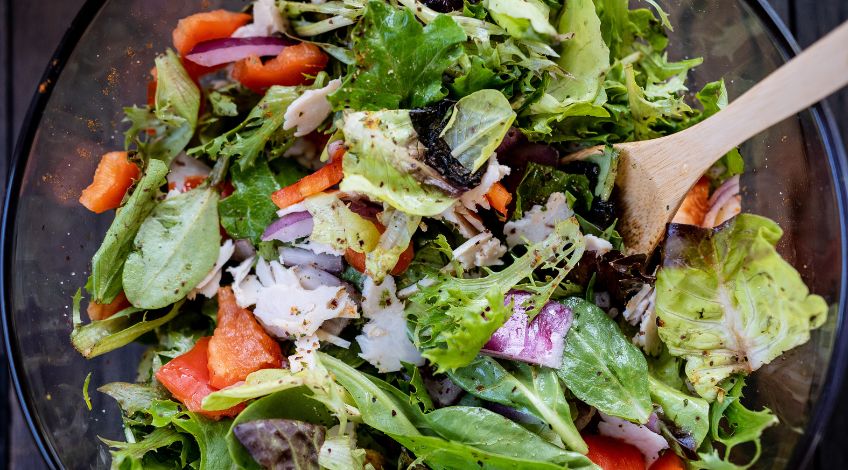
Although leafy greens can carry bacteria, you do not have to give up your salads altogether. Instead, follow these safety tips to reduce your risk of food poisoning:
- Even if the package says pre-washed or ready to eat, it is always best to rinse your greens under cold water to remove any dirt or bacteria.
- Keep leafy greens refrigerated at 4°C or below and consume them before the expiration date to prevent bacterial growth.
- Bacteria can enter through small tears or bruises in the leaves, so choose fresh, undamaged greens when shopping.
- Prevent cross contamination by storing greens away from raw animal products in your fridge.
- While salads are usually eaten raw, greens like spinach and kale can be lightly cooked to kill harmful bacteria while still maintaining their nutrients.
Stay Safe Without Giving Up Greens
While leafy greens have been linked to more food poisoning cases than meat, that does not mean you should stop eating them. Instead, handle them with care, wash them properly, and store them safely.
By following basic food hygiene practices, you can enjoy all the health benefits of leafy greens without the hidden risks.
Help Others Avoid This Common Yet Hidden Food Danger!
Share this important information on social media so more people can protect themselves and their families!
SEE ALSO: Keto Friendly Vegetables – The Veggies You Can Eat On Keto
Also, follow us on Pinterest ...