Stop! This Common Mistake Could Ruin Your Enameled Cast Iron for Good
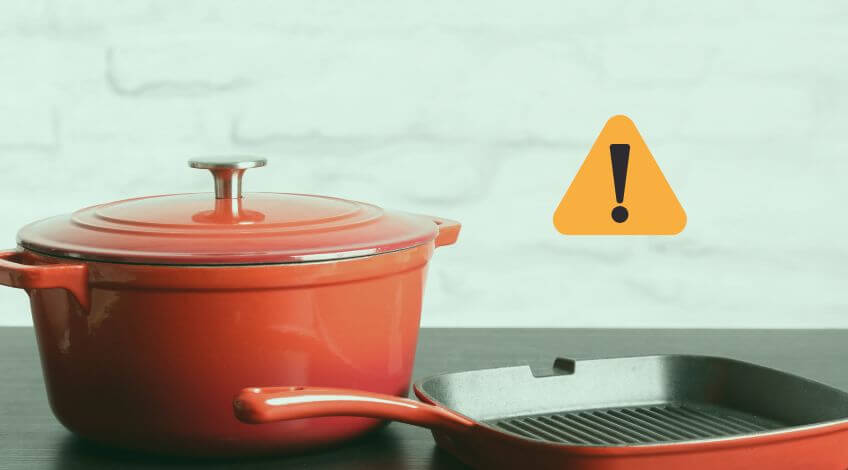
Have you just invested in a gorgeous piece of enameled cast iron cookware? Whether it’s a premium Le Creuset or a practical Lodge, that beautiful pot represents both quality and longevity in your kitchen!
For first time homeowners establishing their kitchen essentials or minimalists who carefully select fewer, better items, enameled cast iron is the perfect investment. These versatile pots can last decades, but only if you avoid one critical mistake that could permanently damage your prized cookware.
Never Do This With Your Expensive Dutch Oven
The single most destructive error with enameled cast iron? Heating it dry on high heat.
This seemingly innocent action can cause thermal shock, a dramatic temperature differential that makes the enamel crack, chip or completely shatter. Imagine setting your beautiful new pot on a scorching burner, walking away momentarily, then hearing a heartbreaking crack! Your investment could be ruined in seconds.
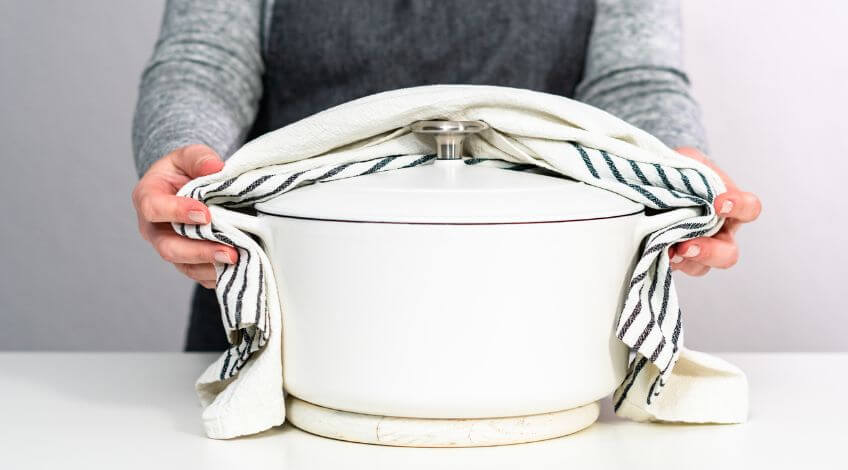
One unlucky cook shared her experience online after her Dutch oven literally exploded on the stovetop. The intense, concentrated heat from the burner created unbearable stress on the enamel coating, resulting in catastrophic damage.
For first time homeowners just learning proper cookware care or minimalists who’ve carefully saved for quality pieces, this simple mistake can be both financially and emotionally devastating.
How To Safely Preheat Your Cast Iron Without Damage
The good news? Preventing this disaster is remarkably simple when you know how. You absolutely CAN preheat enameled cast iron, but you must do it properly:
The Oven Method For Perfect Preheating
Place your empty pot in a cold oven, then turn it on to preheat. The gentle, surrounding heat warms the entire pot evenly, eliminating thermal shock risk. This method is perfect for bread baking or roasting.
The Safe Stovetop Preheating Method
If you need to preheat on the hob:
- Never heat an empty pot! Add a splash of cooking oil, butter, or even water to cover the bottom
- Start with low heat, patience is key!
- Gradually increase the temperature as needed
- Never walk away during the preheating process
This simple approach protects the enamel by distributing heat more evenly across the cooking surface. For minimalists who value longevity in their carefully selected possessions, this small habit makes a tremendous difference.
4 Essential Care Tips To Make Your Cookware Last Forever
To keep your enameled cast iron performing beautifully for decades, follow these top hints:
What Are The Best Utensils To Protect Your Expensive Cookware?
Those metal spoons and spatulas can leave permanent scratches on your precious enamel surface. Opt instead for:
- Wooden spoons and spatulas
- Silicone utensils
- Heat resistant nylon tools
For first time homeowners building their kitchen collection, investing in gentle utensils protects your cookware investment for years to come.
What Are The Cleaning Methods That Won’t Damage Your Pot?
The enamel may seem tough, but abrasive cleaners can permanently dull or damage the surface:
- Skip the steel wool and abrasive scrubbers
- Never use harsh chemicals or oven cleaners
- For stubborn food, soak with warm water and gentle washing up liquid
- Let the pot do the heavy lifting, a brief soak works wonders!
How Can You Avoid Temperature Damage After Cooking?
Beyond preheating, be mindful of all temperature transitions:
- Never place a hot pot directly on a cold surface
- Avoid adding cold water to a hot pot
- Allow it to cool naturally before washing
- Use wooden trivets rather than cold countertops
For minimalists who believe in buying quality once, these simple habits ensure your carefully chosen cookware remains pristine.
Why Is Medium Low Heat Best For Cast Iron Cooking?
One of the brilliant qualities of cast iron is its exceptional heat retention. This means:
- High heat is rarely necessary, medium or low usually suffices
- Lower heat settings prevent burnt food and damaged enamel
- Gentle heating produces better cooking results
- You’ll save energy while protecting your investment!
How To Handle Chips And Cracks In Your Dutch Oven
Despite your best efforts, accidents happen. If you spot chips, cracks, or rough patches:
- Assess the damage location, exterior chips may be cosmetic, while interior damage is more serious
- Check your warranty, premium brands like Le Creuset often offer lifetime guarantees
- Discontinue use if the cooking surface is compromised to prevent further damage
- For minor exterior chips, some manufacturers offer repair kits
Remember that continuing to use significantly damaged cookware can lead to further problems, including potential rusting of the exposed cast iron.
The One Rule That Will Save Your Dutch Oven
Remember the golden rule: Never heat empty enameled cast iron on high heat. Always protect the pot with a little liquid and start with low heat, or preheat it gently in the oven.
This simple habit along with proper cleaning and storage will keep your beloved cookware performing beautifully for decades, perhaps even becoming a treasured piece to pass down to future generations.
Want to keep all these care tips handy in your kitchen? We’ve created a printable checklist covering everything you need to know about safely using and maintaining your enameled cast iron. Print it out and keep it nearby to protect your investment for decades to come!
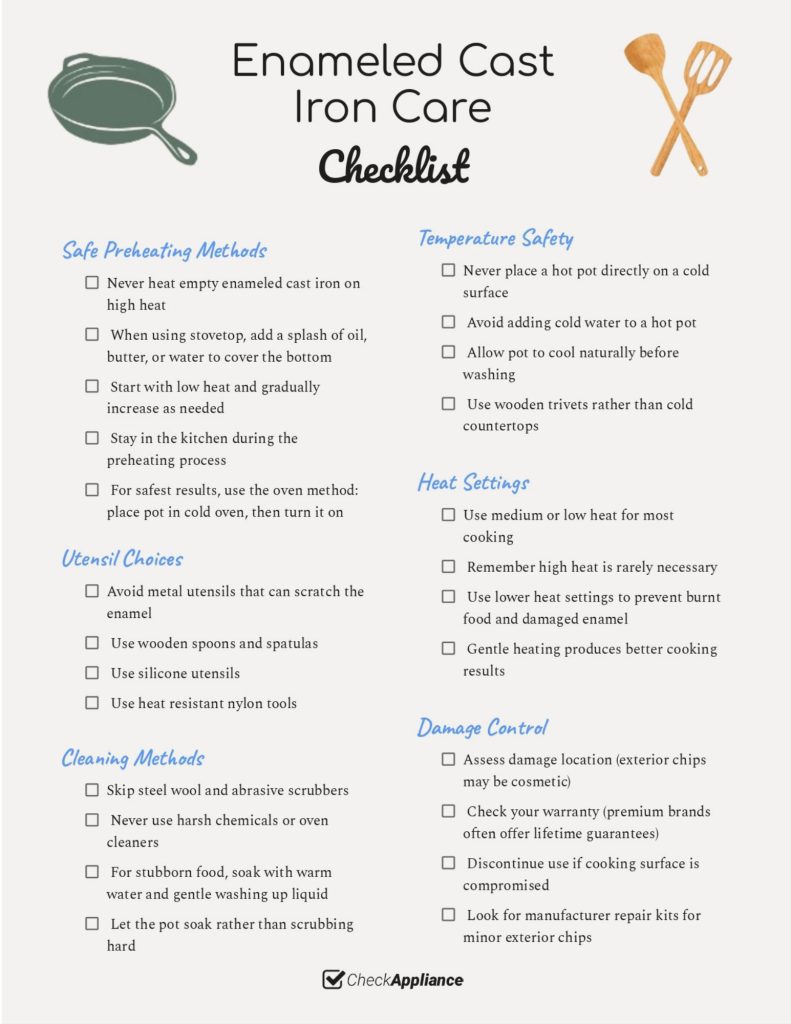
[DOWNLOAD YOUR FREE ENAMELED CAST IRON CARE CHECKLIST HERE]
For first time homeowners and minimalists alike, that’s exactly the kind of thoughtful, lasting investment that makes sense in both the kitchen and in life!
Share this article with other cookware enthusiasts to help them protect their investments too! After all, good kitchenware, like good advice, is meant to be shared.
SEE ALSO: Stop Cleaning The Hard Way! These Lazy Girl Hacks Keep Your Home Spotless
Also, follow us on Pinterest ...