Stop Guessing! This Is What Imitation Crab Is REALLY Made Of (crab sticks)
Craving that sweet, succulent crab meat but wincing at the price tag? You’re not alone! While real crab is absolutely delicious, it’s also seasonal and can put quite the dent in your wallet. Enter imitation crab, that pocket friendly alternative you’ve likely spotted in your supermarket’s seafood section or enjoyed in your favourite California roll.
But what exactly is this mysterious seafood substitute? If you’ve ever wondered what’s really in those crab sticks, you’re about to find out everything you need to know about this clever culinary creation.
What Is Imitation Crab, Actually?
Despite its convincing appearance, imitation crab isn’t crab at all! It’s actually a seafood product made primarily from fish. The main ingredient is typically white fleshed fish with a mild flavour such as pollack, whiting or haddock, or sometimes a blend of different fish.
The Japanese name for imitation crab, “surimi”, literally translates to “minced fish”, which is exactly what it is. Additional ingredients often include crab extract for that authentic flavour, natural food colouring for that signature pink hue, and binders like egg whites to hold it all together.
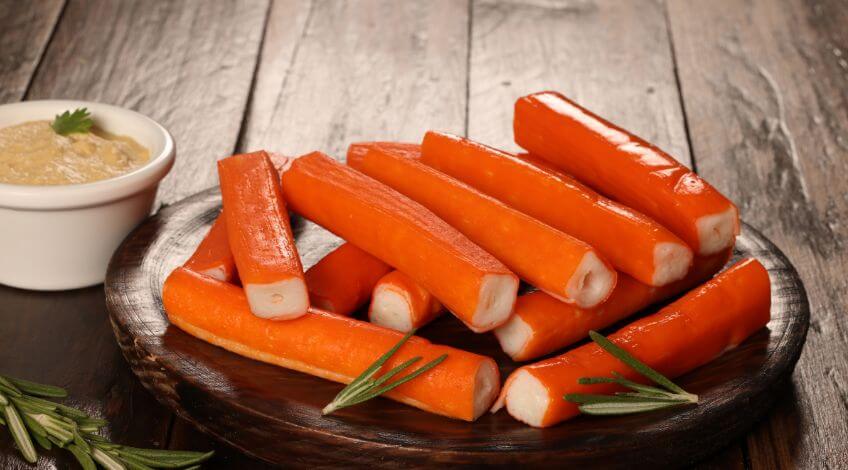
Clever food science transforms these ingredients into something that mimics the sweet, briny flavour and distinctive texture of fresh crab meat. For seafood lovers on a budget, it’s a brilliant alternative that delivers that oceanic taste experience without the premium price tag.
How Imitation Crab Is Made: The Fascinating Process
The creation of imitation crab is quite an interesting process. It begins with white fish being filleted and thoroughly washed. The fish is then minced or pureed into a fine paste: this is the surimi base that forms the foundation of the product.
Next comes the flavouring stage, where the surimi is seasoned to capture that distinctive sweet and briny crab flavour we all love. This typically involves adding salt, sugar, crab extract and other flavour enhancers.
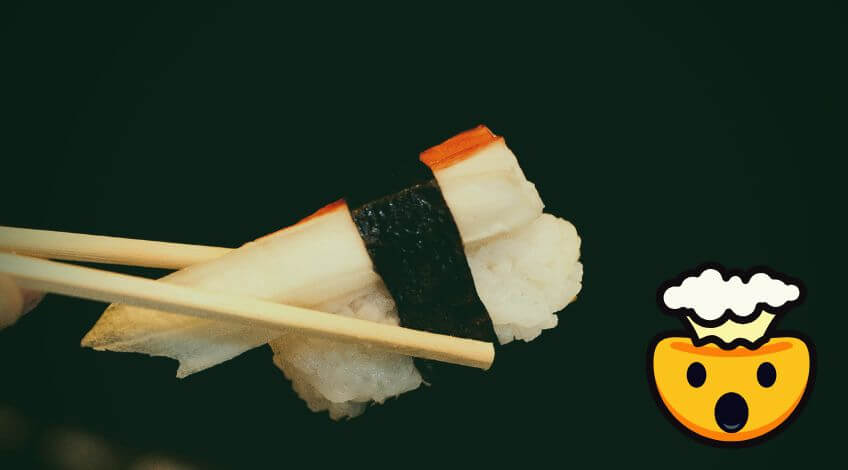
Once properly seasoned, the paste is shaped according to the desired final product. This could be flakes or chunks that resemble picked crab meat, or crab sticks, the most common form designed to look like leg meat from a crab.
The shaped surimi is then heat treated to set its form and texture before being cooled, packaged and shipped to supermarkets and restaurants.
For budget conscious shoppers, understanding this process helps explain why imitation crab costs a fraction of the real thing: it utilises more abundant, less expensive fish species and transforms them through processing rather than requiring the labour intensive harvesting of actual crabs.
Important Health Facts You Should Know
If you’re reaching for imitation crab as a healthy seafood option, there are a few nutritional facts worth knowing. According to registered dietitians, a 3-ounce serving of imitation crab contains approximately:
- 85 calories
- 6 grams of carbohydrate
- 25 milligrams of cholesterol
- 841 milligrams of sodium
By comparison, the same amount of real crab meat has:
- 101 calories
- 0 grams of carbohydrate
- 91 milligrams of cholesterol
- 324 milligrams of sodium
Both contain about 1 gram of fat per serving.
The key differences? Imitation crab contains significantly more sodium and adds carbohydrates to your diet, while real crab has more cholesterol but zero carbs. For seafood lovers watching their nutrition, these distinctions matter.
Another important note: imitation crab is not suitable for those following a gluten free diet, as wheat starch is commonly used as a binding agent. And despite appearances, it’s not a vegan option either, as it’s made from actual fish and often contains egg whites.
Tasty Ways To Use Imitation Crab In Your Kitchen
One of the biggest advantages of imitation crab is its versatility in the kitchen. It comes ready to eat, requires no special preparation, and can be used in countless dishes. Here are some brilliant ways to incorporate it into your meals:
- Seafood Salads
Create a refreshing crab salad with mayonnaise, celery, and a squeeze of lemon for sandwiches or stuffed avocados. - Hot Dips
Make a crowd pleasing hot crab dip for your next gathering by combining imitation crab with cream cheese, mayonnaise, and spices. - Pasta Dishes
Toss with linguine, butter, garlic and herbs for a quick seafood pasta. - Sushi Rolls
It’s the star ingredient in California rolls, pair with avocado and cucumber for a homemade sushi night. - Stuffed Mushrooms
Create impressive appetisers by mixing chopped imitation crab with cream cheese and stuffing into mushroom caps.
For budget shoppers, imitation crab offers the luxury of seafood focused meals at a fraction of the cost. You can use it in a 1:1 ratio in recipes that call for real crab meat, making it perfect for experimenting with new seafood dishes without the financial risk.
The Bottom Line On Imitation Crab
While nothing quite compares to the sweet delicacy of fresh, real crab meat, imitation crab has rightfully earned its place in kitchens and restaurants worldwide. It offers a budget friendly way to enjoy seafood flavours, comes conveniently pre-cooked, and works beautifully in countless recipes.
Is it as nutritionally rich as real crab? No, it contains more sodium, added carbohydrates, and fewer of the beneficial nutrients found in fresh seafood. But when your recipe calls for crab and your budget says “maybe next time,” imitation crab stands ready as a clever and satisfying alternative.
So next time you’re enjoying that California roll or seafood salad, you’ll know exactly what’s in those pink tinted sticks, and perhaps appreciate the food science that makes such an affordable seafood experience possible!
Share these facts with your seafood loving friends or fellow budget shoppers who might be curious about what’s really in their crab sticks. After all, good food knowledge is always worth passing along!
SEE ALSO: How to Declutter Your Home When It’s Full of Sentimental Items
Also, follow us on Pinterest ...