This Simple Mistake Is Why Your Vacuum Smells Awful
If your vacuum smells like wet dog or old socks every time you switch it on, you are not alone.
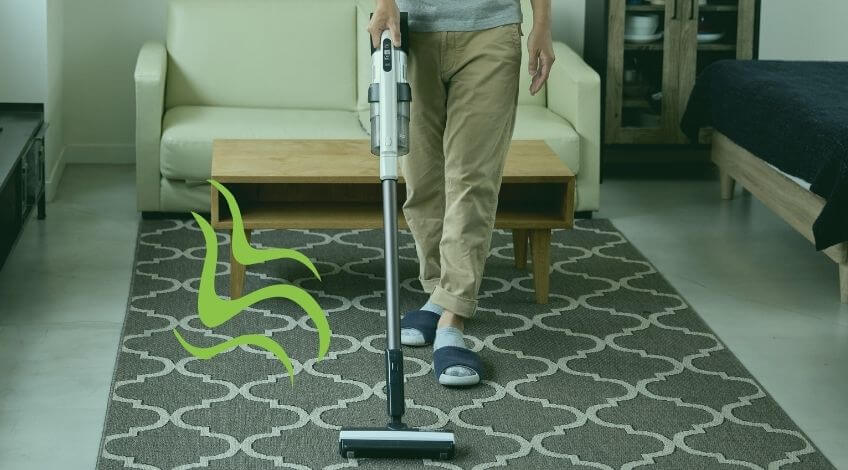
The number one reason is very simple: you are leaving dirt to sit inside the machine. When the bin or bag is not emptied straight after use, and the filters and brush roll are not cleaned regularly, pet hair, food crumbs, and damp fluff start to break down. Bacteria and mould grow, odours build up and every clean makes the house smell worse.
The good news: a few quick habits will fix it fast, especially if you live with pets or just want your place smelling fresh, not funky.
Why Your Vacuum Smells Like A Rubbish Bin
Your vacuum is essentially a powerful suction machine that hoovers up everything from dust bunnies to pet hair, food crumbs and microscopic bits of organic matter. All this debris travels through the system and some of it inevitably gets trapped in places where it shouldn’t be.
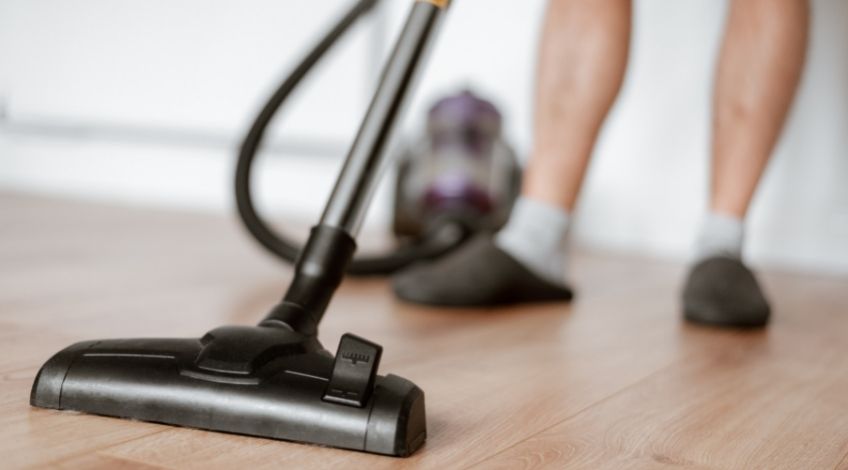
When organic matter sits in warm, moist environments (which your vacuum can become), bacteria start having a proper party. Add pet dander, moisture from cleaning and the occasional spillage that gets sucked up and you’ve created the perfect breeding ground for some seriously smelly microorganisms.
Pet owners face an extra challenge because animal fur and dander carry natural oils and odours that can become embedded in vacuum components. These organic compounds don’t just disappear when you switch off the machine, they linger and multiply, creating those stomach churning smells that make you want to open every window in the house.
The Number One Mistake Everyone Makes
Here’s the simple mistake that’s probably causing your vacuum to smell awful: you’re not emptying or changing the bag/canister frequently enough. Most people wait until their vacuum bag is completely stuffed or their bagless canister is overflowing before doing anything about it. This is like leaving a bin bag full of rubbish sitting in your kitchen for weeks and wondering why it stinks.
When vacuum bags or canisters become too full, several things happen. First, the trapped debris sits there for ages, giving bacteria plenty of time to multiply and create odours. Second, reduced airflow means your vacuum works harder and runs hotter, which accelerates the decomposition of organic matter. Third, overpacked bags can burst, sending debris back into your vacuum’s internal mechanisms where it’s much harder to clean.
Pet owners should be particularly vigilant about this because animal hair and dander decompose faster than regular household dust. If you have cats or dogs, that “full” indicator on your vacuum isn’t a suggestion, it’s an urgent warning that needs immediate attention.
The solution is brilliantly simple: empty bagless canisters after every use or every other use and replace bags when they’re about half to two thirds full. Yes, you’ll go through more bags, but the cost is nothing compared to the freshness you’ll gain and the potential repair bills you’ll avoid.
Quick Fixes For Immediate Relief
Sometimes you need your vacuum to stop smelling awful right now, especially when guests are coming or you simply can’t stand another whiff. These quick solutions provide immediate odour relief while you work on the underlying causes.
Sprinkle Baking Soda Before Vacuuming
If your vacuum smells awful right now and you need immediate relief, sprinkle a generous amount of baking soda on your carpet before vacuuming. The baking soda will help neutralise odours as it travels through the system, providing temporary relief while you address the underlying causes.
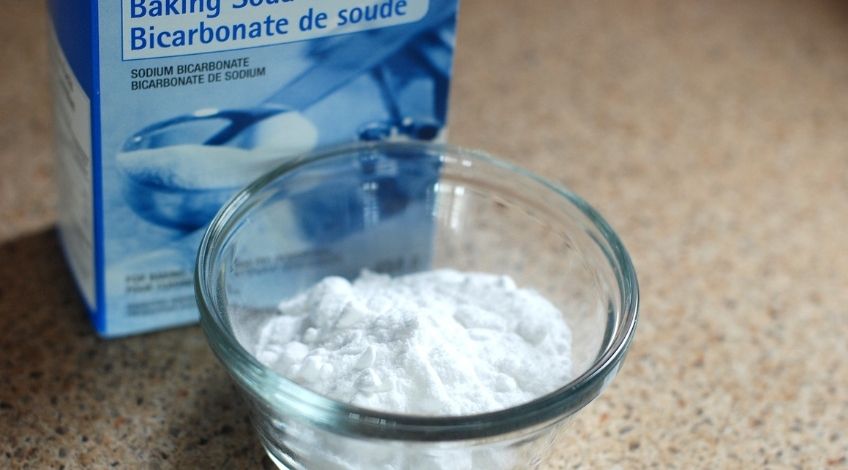
You can also place a small open container of baking soda inside your vacuum’s dust compartment between uses. This won’t solve the root problem, but it’ll help control odours while you implement proper maintenance.
Add Essential Oil To Cotton Balls
Add a few drops of your favourite essential oil to a cotton ball and pop it in the dust compartment. Lavender, eucalyptus, or tea tree oil work particularly well because they have natural antibacterial properties. This creates a pleasant scent as you vacuum, though again, it’s a temporary fix rather than a permanent solution.
Use Commercial Vacuum Deodorisers
Pet shops and cleaning supply stores sell vacuum deodorisers specifically designed to eliminate pet odours and freshen your vacuum. These products are formulated to work with vacuum systems and can be particularly helpful for pet owners dealing with persistent smells.
Prevention: Keep Your Vacuum Fresh
The best way to deal with vacuum odours is to prevent them from happening in the first place. A few simple habits can keep your vacuum smelling neutral and working efficiently for years to come.
Regular Maintenance Schedule
Create a simple maintenance routine that becomes second nature. Empty bagless canisters after every one or two uses, replace bags when they’re half to two thirds full, check and clean filters monthly and inspect the brush roll every few weeks.
Pet owners might need to increase this frequency, particularly during shedding seasons when your vacuum is working overtime to cope with extra fur and dander.
Mind What You Vacuum
Be thoughtful about what goes into your vacuum. Never vacuum up wet spills, pet accidents, or anything damp, as moisture creates ideal conditions for bacterial growth. If you need to clean up a liquid spill, use towels or a mop first, then vacuum only when everything is completely dry.
Avoid vacuuming large amounts of fine powder (like flour or cosmetics) as these can clog filters quickly and create odour problems.
Storage Considerations
Where and how you store your vacuum can impact smell development. Don’t store it in damp areas like basements or garages where moisture can accumulate. Ensure it’s completely cool before storing, and consider leaving the dust compartment slightly open to allow air circulation.
If you live in a particularly humid climate, running a dehumidifier in your storage area can help prevent moisture related odour problems.
When To Call In Professional Help
Sometimes vacuum odours indicate problems that go beyond simple maintenance. If you’ve tried all these solutions and your vacuum still smells awful, it might be time for professional servicing.
Persistent odours after thorough cleaning could indicate internal motor problems, damaged seals, or debris trapped in hard to reach internal mechanisms. Professional vacuum repair shops have the tools and expertise to disassemble your machine properly and address problems you can’t reach.
Don’t ignore burning smells, which could indicate motor problems or electrical issues that need immediate professional attention.
Transform Your Vacuum Back To Fresh
Nobody should have to endure a stinky vacuum that makes cleaning feel like punishment. By addressing the simple mistake of overfull bags and canisters, maintaining your filters and brush roll and implementing a regular cleaning routine, you’ll transform your vacuum back into the fresh air champion it should be.
Remember, your vacuum works hard to keep your home clean, especially if you’re battling pet hair and odours. A little regular maintenance goes a long way toward keeping both your vacuum and your home smelling fresh and clean.
Start with emptying that bag or canister right now, then work through the other maintenance tasks. Your nose (and your family) will thank you!
If this helped you solve your smelly vacuum problem, share it with other pet owners and clean home enthusiasts on Facebook!
SEE ALSO: Messy Kitchen Cupboards? This Pro Trick Will Change Everything
Also, follow us on Pinterest ...