What I Learned After Freezing These 10 Foods (And What I’ll Never Freeze Again)
We’ve all been there, too much food in the fridge, nearing its date and no time to cook.
Freezing sounds like the perfect solution. But after a bit of trial and error, I’ve learned that not everything freezes well. Some foods come out just fine, others end up watery, mushy or downright odd.
Here’s what happened when I tried freezing 10 common foods in a typical UK household: which ones worked, which ones didn’t and what I won’t be putting in the freezer again.
1. Milk Freezes Well But Not In The Bottle

Freezing milk is surprisingly useful, especially if you bought a few too many during your shop. I froze full fat and semi skimmed milk and both thawed with no odd taste.
But freezing it in the original plastic bottle? Not a good idea. It expanded and warped the shape.
Decant into smaller containers, leave room for expansion and shake well once defrosted. Best used for tea, coffee or cooking, not drinking on its own.
2. Cooked Pasta Becomes A Sticky Mess
I had high hopes for freezing leftover spaghetti, but it came out sticky and clumped together. Even after reheating, the texture was gloopy and dry.
Don’t freeze plain cooked pasta. If it’s in sauce, it fares a bit better but freshly made is always best. Instead, freeze the sauce and cook fresh pasta in minutes.
3. Cheese Can Be Frozen But Only Certain Types
I froze blocks of cheddar, grated mozzarella and a wedge of brie. Hard cheese like cheddar worked well, especially when grated first. Brie turned watery and lost its texture. It was fine melted in toasties, but not for a cheeseboard.
Stick to grated hard cheeses for freezing. Avoid soft or crumbly cheese unless you’re cooking with it.
4. Fresh Herbs Go Soggy Unless You Prep Them Right
Coriander and parsley were a disaster when frozen as is. They turned into wet clumps.
But when I froze chopped herbs in an ice cube tray with olive oil, they stayed fresh tasting and were easy to toss into hot dishes.
Don’t freeze herbs dry. Use oil or butter and freeze them in cubes for cooking.
5. Eggs? Only If You Crack Them First
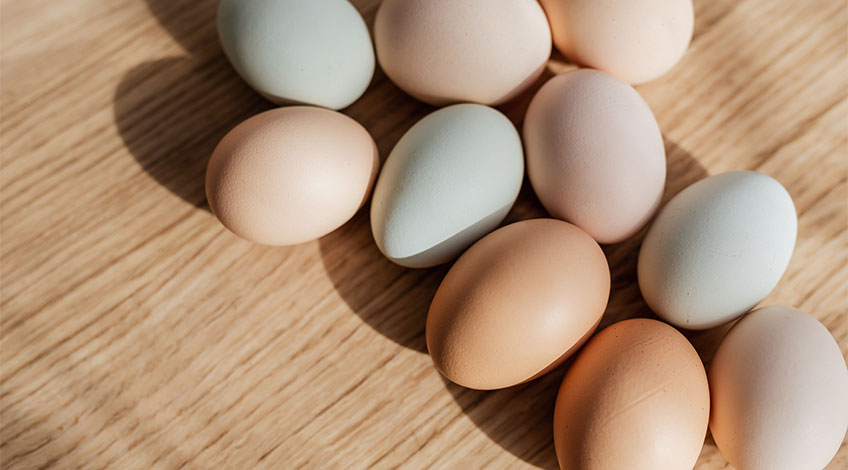
I tried freezing eggs in the shell (bad idea they cracked and leaked). But cracking them into a silicone tray and freezing individually worked a treat.
Never freeze eggs in the shell. Crack them, mix yolks and whites lightly and freeze in portions. Great for baking or scrambled eggs.
6. Raw Potatoes Go Black And Mushy
I froze a batch of peeled raw potatoes and regretted it. They thawed grey and watery, even when cooked quickly after. Roasted or mashed? Not pleasant. Don’t freeze raw potatoes. If you want to prep ahead, parboil or mash them first, then freeze in portions.
7. Bread Freezes Brilliantly
This one was a win. Sliced bread freezes beautifully and tastes fresh when toasted or defrosted properly. Even crumpets and wraps held up well.
Always freeze bread in slices. Use greaseproof paper between wraps or rolls to stop them sticking. Great for cutting down waste.
8. Yoghurt Separates But Still Works

I froze Greek yoghurt and a tub of plain live yoghurt. Both separated slightly when defrosted and looked a bit grainy, but worked fine in smoothies or baking.
Don’t expect frozen yoghurt to be spoonable. Save it for cooking or blending, not for eating on its own.
9. Tomatoes Turn To Mush But That’s Not Always Bad
Whole fresh tomatoes came out watery and split. But for cooking sauces, soups or curry bases, they were perfect. The flavour held up even if the texture didn’t. Don’t freeze tomatoes for salads. But for cooking, frozen tomatoes are a time saver.
10. Salad Leaves Are A Definite No
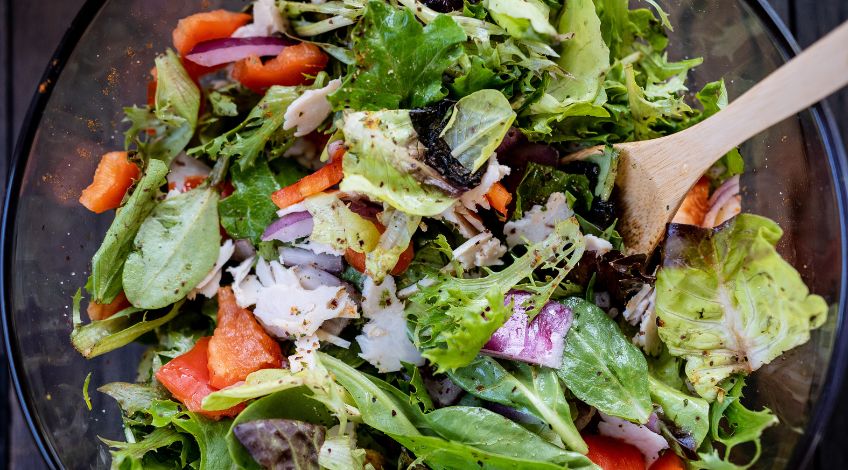
I tried freezing a bag of mixed salad. The result? A limp, slimy mess. Lettuce, spinach and rocket just don’t survive in the freezer. They wilt, break down and smell odd when thawed.
Never freeze salad leaves. They’re best eaten fresh. If you have too much, throw them into a smoothie or stir fry before they go off.
Bonus Tip: Label Everything!
One of the biggest mistakes I made was not labelling my containers. A frozen block of something could be soup, curry or yoghurt. It’s a gamble you don’t want to take.
Write the name and date on all frozen items. You’ll thank yourself later when digging through the freezer drawer.
What I’ll Freeze Again (And What I Won’t Touch Twice)
Freezing can be a game changer if you do it right, especially with food prices rising and cutting food waste becoming more important than ever.
Bread, cheese, sauces and herbs in oil? Absolutely. Milk in small portions and eggs cracked ahead of time? Lifesavers.
But soggy salad, watery pasta and crumbly soft cheese? Never again.
The key is knowing what works, how to prep it and how to use it once thawed. With a bit of trial and error, your freezer can become your best kitchen ally, not a graveyard for forgotten leftovers.
Help Others Avoid These Freezing Mistakes!
If you’ve ever frozen the wrong food and lived to regret it, this list will feel familiar. Share it to help others dodge the same errors and keep their freezers frustration free.
SEE ALSO: Is That Frost on Your Chicken Safe? The Truth About Freezer Burn
Also, follow us on Pinterest ...