Is That Frost on Your Chicken Safe? The Truth About Freezer Burn
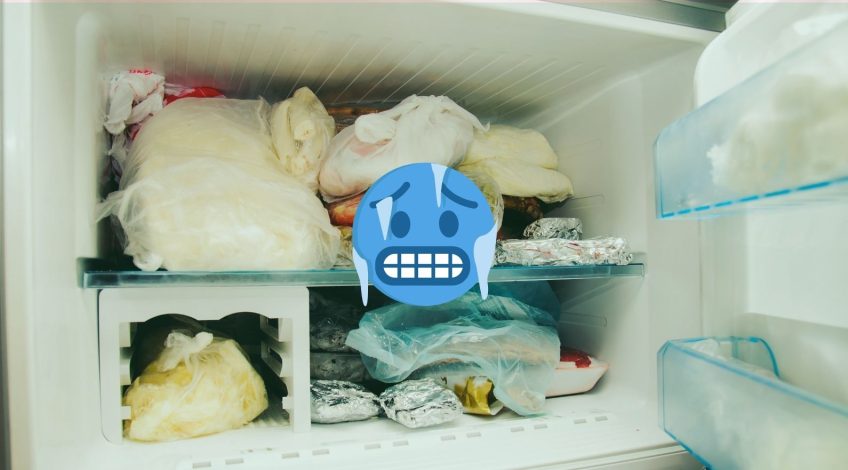
You’ve just opened your freezer to grab that chicken you’ve been saving for Sunday roast, only to find it covered in what looks like a frosty, icy layer. Your heart sinks as you wonder if you’ve just wasted good money on meat that’s gone off. But here’s the good news: that frosty coating is freezer burn, and it’s completely safe to eat.
Yes, you read that right! Freezer burn might look off putting, but it won’t harm you or your family. The real question isn’t whether it’s safe, but whether you’ll actually want to eat it once you’ve cooked it. Let’s explore everything you need to know about freezer burn, from what causes it to how you can prevent it from happening in the first place.
What Exactly Is Freezer Burn?
Freezer burn happens when your frozen food loses moisture and gets exposed to air inside your freezer. Those ice crystals you see aren’t actually ice forming on the outside, they’re moisture that’s escaped from inside the food itself.
Think of it like this: your frozen chicken is slowly drying out, even in the freezer. The water inside the meat turns to vapour, escapes, and then freezes again on the surface. This process leaves your food dehydrated and can seriously affect its taste and texture.
This typically occurs for two main reasons. Either your food hasn’t been stored properly (poor wrapping or containers that aren’t airtight), or it’s been sitting in your freezer for far too long. Even the best wrapped foods will eventually succumb to freezer burn if left long enough.
Foods with higher water content are particularly vulnerable. Fresh fruits, vegetables, and lean meats like chicken breast are more likely to develop freezer burn than fattier cuts of meat or processed foods.
How To Spot Freezer Burn On Different Foods
Freezer burn doesn’t look the same on every type of food, so it’s helpful to know what to look for depending on what you’re examining.
Chicken And Other Poultry
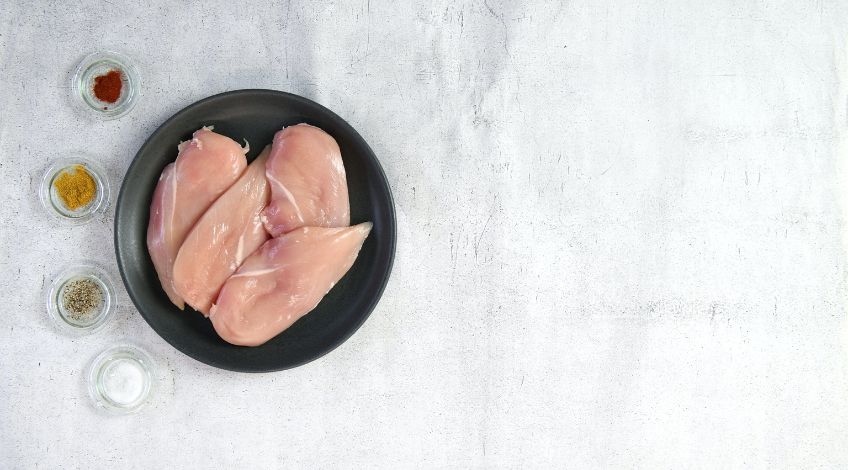
When chicken develops freezer burn, you’ll notice the edges turning a greyish white or beige colour. The meat might also appear dried out or have white patches that look different from the normal pink colour of raw chicken. These areas will feel tough and leathery once cooked, rather than tender and juicy.
Red Meat And Pork
Beef, lamb, and pork take on a brownish or greyish appearance when freezer burned. The meat may look duller than usual and have obvious dry patches. You might also see ice crystals forming around the edges of the packaging.
Fruits And Vegetables
Frozen fruits and vegetables often develop a layer of ice crystals on their surface. They may also appear shrivelled and look rather sad compared to their fresh counterparts. As they lose moisture, they shrink considerably and their vibrant colours may fade.

Ice Cream And Frozen Desserts
Ice cream is perhaps the most obvious victim of freezer burn. You’ll see ice crystals climbing up the sides of the container and covering the surface of the ice cream itself. The texture becomes grainy rather than smooth and creamy.
Is Freezer Burned Food Actually Safe To Eat?
Absolutely! Freezer burn doesn’t make food unsafe to consume. The process doesn’t introduce harmful bacteria or toxins, it simply changes the food’s texture and flavour. From a food safety perspective, you’re in the clear.
However, you might not particularly enjoy eating it. Freezer burned food tends to be dry, tough, and lacking in flavour. That once juicy chicken breast might end up tasting like cardboard, and your favourite ice cream could have an unpleasant grainy texture.
The good news is that freezer burned food doesn’t lose its nutritional value. All those vitamins, minerals, and proteins are still there, even if the eating experience isn’t quite what you’d hoped for.
How To Salvage Freezer Burned Food
Just because your food has freezer burn doesn’t mean it has to go in the bin. With a few clever cooking techniques, you can often rescue the flavour and improve the texture.
Use The Slow Cooker Method
For meat that’s developed freezer burn, your slow cooker is your best friend. The long, gentle cooking process helps break down tough fibres and can restore some moisture to dried out meat. Add plenty of liquid like stock, wine, or even just water to help rehydrate the meat as it cooks.
Add Fresh Herbs And Strong Flavours
Since freezer burn robs food of its natural flavours, you’ll need to compensate with bold seasonings. Fresh herbs, garlic, onions, and strong spices can help mask any off flavours and make your meal more appealing.
Incorporate Into Soups And Stews
Freezer burned vegetables are perfect for soups and stews where texture is less important. The long cooking time and added liquid help restore moisture, and other ingredients can mask any flavour changes.
Use Stock To Add Moisture
When cooking freezer burned meat or poultry, add chicken or beef stock during cooking. This helps replace some of the lost moisture and can significantly improve the final result.
Smart Storage Solutions For Meal Preppers
If you’re someone who likes to buy in bulk and prepare meals ahead of time, proper storage is absolutely crucial for preventing freezer burn.
Invest In Quality Storage Containers
Look for containers specifically marked as freezer safe. These are designed to withstand low temperatures without cracking and provide better air tight seals than regular food containers. Glass containers with tight fitting lids work brilliantly for soups, stews, and casseroles.
Master The Art Of Proper Wrapping
For meat and poultry, double wrapping is your best defence against freezer burn. Start with plastic wrap pressed directly against the food’s surface to eliminate air pockets, then add a layer of aluminium foil or place it in a freezer bag.
Use A Vacuum Sealer For Best Results
If you’re serious about meal prepping and bulk buying, a vacuum sealer is worth the investment. By removing all the air from around your food, you virtually eliminate the risk of freezer burn. Your food will stay fresh tasting for much longer.
Label Everything With Dates
It’s easy to forget when you put something in the freezer, especially when you’re juggling work, family, and meal planning. Use freezer safe labels or a permanent marker to note what’s inside and when you froze it.
Prevention Tips That Actually Work
The best cure for freezer burn is prevention. Here are some practical strategies that busy home cooks swear by:
Cool Food Completely Before Freezing
Never put warm or hot food directly into the freezer. This creates steam and condensation inside your containers, which is basically freezer burn waiting to happen. Let everything cool to room temperature first, then refrigerate before transferring to the freezer.
Don’t Overpack Your Freezer
Your freezer needs air circulation to maintain a consistent temperature. Packing it too full prevents proper airflow and can lead to temperature fluctuations that encourage freezer burn.
Keep Your Freezer At The Right Temperature
Your freezer should be set to 0°F (minus 18°C) or below. Use a freezer thermometer to check, as the built in gauges aren’t always accurate. Temperature fluctuations are one of the main causes of freezer burn.
Use The Right Packaging For Each Food Type
Different foods need different storage approaches. Liquids like soups and sauces do well in rigid containers with tight lids. Solid foods like meat benefit from vacuum sealing or double wrapping. Delicate items like berries need gentle handling and breathable storage.
Keep Your Freezer Working For You
Freezer burn might look alarming, but it’s really just a cosmetic and taste issue rather than a safety concern. With proper storage techniques and a bit of knowledge about how to handle affected food, you can minimise waste and keep your meal prep game strong.
The key is staying organised, using proper storage methods, and not letting things sit forgotten in the back of your freezer for months on end. Your future self will thank you when you can grab perfectly preserved ingredients for a quick weeknight dinner!
Found this helpful? Share it with your meal prep friends or anyone who’s ever stared sadly at freezer burned food wondering what went wrong. Because we’ve all been there, and a little knowledge goes a long way!
SEE ALSO: How to Wash a Bath Mat So It Looks (and Smells) Like New Again
Also, follow us on Pinterest ...