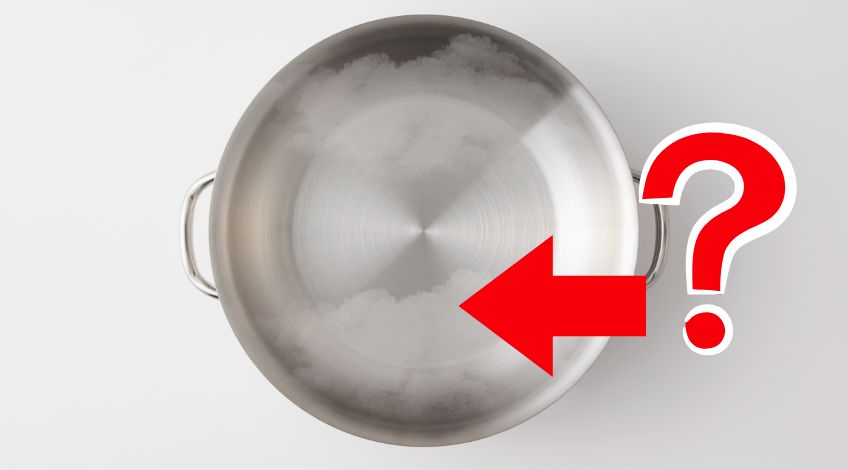
This Is What’s Causing That Cloudy Look On Your Stainless Steel
Stainless steel is a firm favourite in British kitchens. From saucepans to baking trays, it’s trusted for its durability, sleek look and even heat distribution.
But if yours has started to look dull or cloudy, you’re not alone. Many households notice a white or foggy film that won’t budge no matter how much elbow grease is used.
So what’s actually behind that cloudy appearance? And more importantly, how can you get your stainless steel looking like new again?
This article will walk you through the likely causes, the best ways to fix it and simple tips to keep that cloudy film from coming back.
What Causes Cloudy Marks On Stainless Steel?
That dull, chalky haze on your stainless steel cookware is usually caused by hard water. In the UK, hard water is very common, especially in areas like London, Essex and the South East.
Hard water contains high levels of minerals such as calcium and magnesium. When water is heated up, whether on the hob or in the dishwasher, those minerals can settle on your pans and create a white, cloudy residue.
This build up, often called limescale, isn’t harmful, but it does make your cookware look tired and neglected. The longer it’s left on the surface, the more stubborn it becomes.
And because stainless steel is non porous, these mineral deposits sit right on top and reflect light differently, giving that foggy, discoloured look.
You might also notice this effect after washing your pans in the dishwasher without a rinse aid. Heat plus untreated hard water is a recipe for streaks, spots and cloudiness on metal surfaces.
Is That Cloudy Residue Harmful To Your Health?
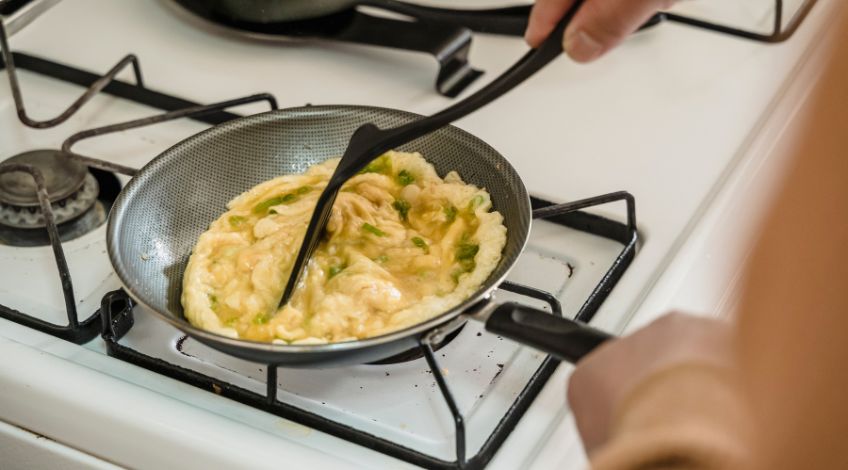
The good news is that cloudy marks caused by limescale are completely harmless. It’s not rust, nor is it a sign of chemical damage or food contamination. It’s just mineral build up from water – the same kind you find in your kettle or on your shower head.
Still, it’s not something you want to ignore. Aside from making your cookware look unattractive, heavy limescale build up can affect how well heat distributes across the surface.
Over time, this could mean uneven cooking, hotspots or even damage to the bottom of your pan if build up becomes too thick.
It’s also worth noting that trying to scrub off limescale with harsh pads or abrasive cleaners can scratch the surface of your stainless steel, which ruins that signature shine and can make future cleaning even harder.
The Best Way To Remove Cloudy Marks From Stainless Steel
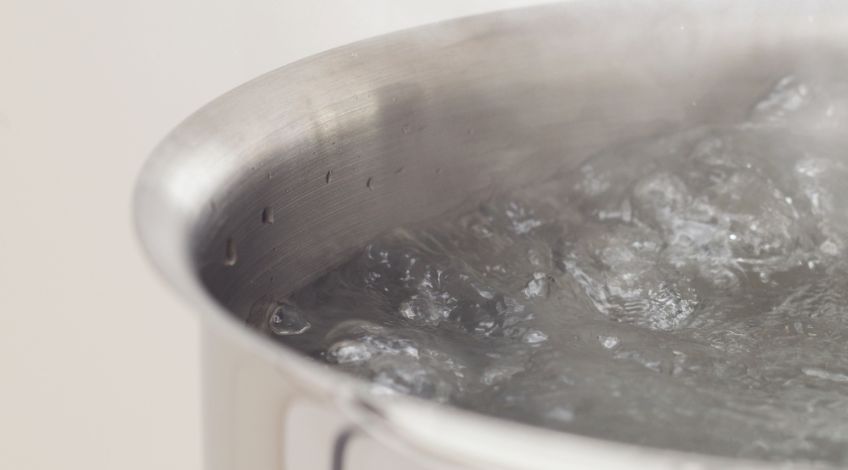
If your stainless steel pans have already turned cloudy, don’t worry, there’s an easy fix.
One of the most effective cleaning methods is using white vinegar, which is a staple in most households and available from any supermarket for under £1.
Vinegar works because it’s acidic and that helps break down the alkaline minerals left behind by hard water. Here’s a simple method you can try today:
- Fill the affected pan with three parts white vinegar and one part water.
- Place it on the hob and bring it to a gentle boil.
- Once boiled, switch off the heat and let it sit for 10 to 15 minutes.
- Pour out the liquid and rinse the pan with warm water.
- Dry it straight away with a soft cloth to prevent new marks forming.
For really stubborn cloudiness, you can soak the pan in vinegar overnight before rinsing and drying.
Avoid using scouring pads or steel wool, as these can scratch the surface and make future cleaning harder.
How To Prevent Cloudy Build Up On Stainless Steel
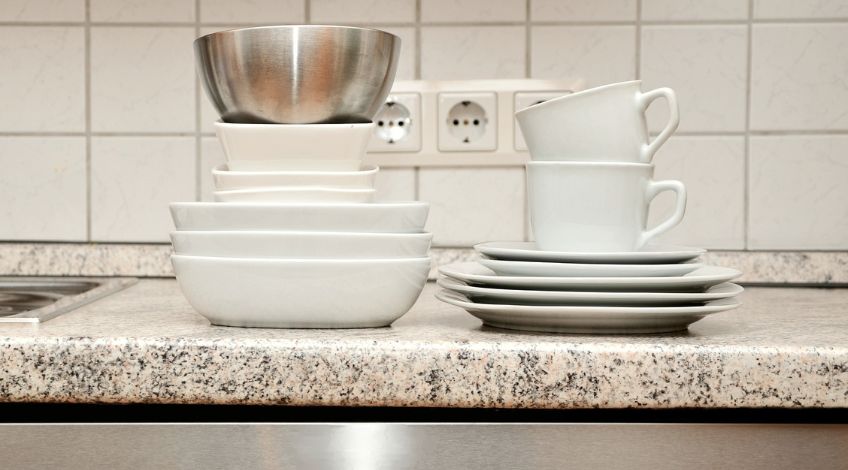
Once your stainless steel is back to its shiny best, you’ll want to keep it that way. Prevention is much easier than frequent deep cleans. Here’s what you can do:
- Dry your cookware immediately after washing. Air drying leaves behind water droplets that cause spotting.
- Use a rinse aid in the dishwasher. This helps water slide off and prevents mineral residue forming during drying cycles.
- Avoid salt build up. When boiling water for pasta or potatoes, always wait until the water is at a full boil before adding salt. Salt left sitting at the bottom of the pan can also cause pitting and cloudy marks.
- Clean with a soft cloth. Never use abrasive scrubbers. Instead, use microfibre or soft sponges to protect the surface.
- Use filtered water if possible. If you live in a very hard water area, consider using a filter jug for your cooking water. This reduces the amount of calcium that ends up on your pans.
These simple habits go a long way towards keeping your stainless steel looking like it just came out of the box.
Can The Dishwasher Ruin Stainless Steel Cookware?
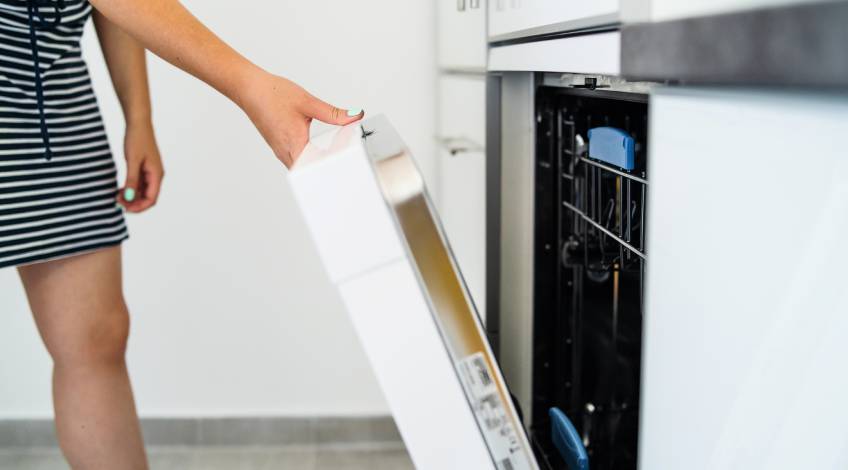
Many people put their pans in the dishwasher and expect them to come out sparkling – only to find new cloudy patches.
While stainless steel is generally dishwasher safe, the combination of heat, hard water and drying cycles can create the perfect conditions for limescale.
That doesn’t mean you have to hand wash everything. Instead, adjust how you use your dishwasher.
Always use rinse aid, especially if you notice streaks or spots. Load stainless steel items so they’re not touching other metals, like aluminium, to prevent discolouration or corrosion.
Don’t overuse detergent, as leftover soap can also cause filming. When the cycle ends, open the door slightly to let steam escape. This helps prevent water droplets from drying on the surface.
If you stick to these tips, your dishwasher will clean without leaving behind any unwanted cloudy marks.
Why Stainless Steel Still Looks Cloudy After Cleaning
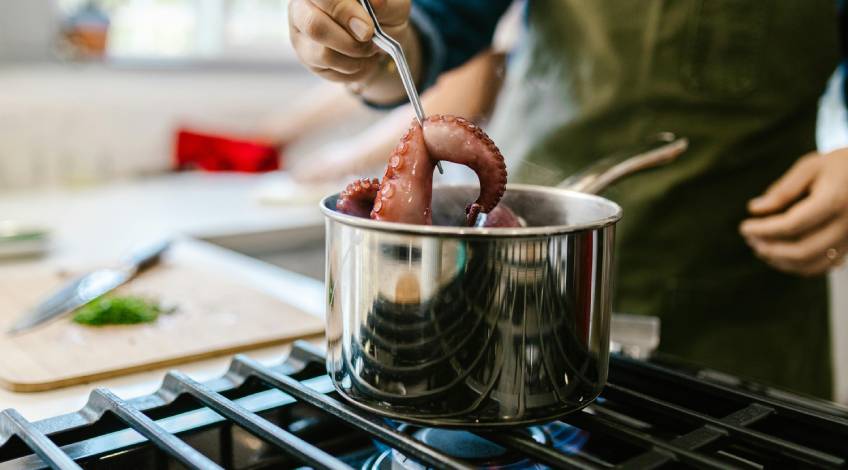
If you’ve tried vinegar and water and the cloudy look is still there, it might be due to scratches or worn areas that are catching the light differently. Over time, stainless steel can develop tiny scratches from abrasive cleaners or rough sponges.
To minimise the appearance of scratches, you can use a non abrasive stainless steel polish. These are available in most DIY or kitchen shops across the UK. Always read the label carefully, and test a small area first to make sure it’s suitable for your pan.
Another tip is to rub in the direction of the grain of the steel. If you look closely, stainless steel usually has faint lines in one direction.
Cleaning with the grain helps maintain that sleek appearance and avoids dullness.
Say Goodbye To Cloudy Marks On Stainless Steel For Good
That cloudy film on your stainless steel isn’t a sign of poor hygiene or poor quality pans, it’s just what happens when heat and hard water meet.
Thankfully, it’s also easy to fix. A bit of vinegar, some gentle care and a few smart habits are all you need to restore that clean, polished look.
Whether it’s your everyday saucepan or a pricey roasting tray, knowing how to look after stainless steel properly can help your kitchen tools last longer and look better.
Now that you know what causes cloudy stainless steel and how to fix it, your pans will be sparkling again in no time.
Share These Stainless Steel Cleaning Tips With Others!
These quick and effective tricks are perfect for anyone dealing with cloudy stainless steel. Post them on social media to spread the word about how simple the fix can be.
SEE ALSO: The Right Way to Clean Stainless Steel Pots Without Scratching Them
Also, follow us on Pinterest ...