You Clean the Dishes But Always Forget This Filthy Kitchen Item
Kitchens are the most cleaned and yet also the most dirty rooms in any UK home. You might spend hours cleaning and tidying your kitchen only for it to become filthy again the next time you make a meal.
From crumbs, to grease splatters, our kitchens take the most amount of effort to clean. Which is why it’s super easy to miss a few spots when we’re in a hurry. The trouble is, when are we ever not in a hurry?
We’ve identified 8 ignored, dirty things that will need attention in your kitchen. Keep reading to find out more.
Why Do We Cut Corners When Cleaning Our Kitchens?
The truth is that households are busy, what with getting ready for work, making sure the kids have everything they need for school, doing the washing, making the beds. It’s no wonder that a few things get left out occasionally.
The trouble is once a few things slip the clean up schedule once or twice, they typically end up being forgotten forever. Let’s face it with so many other things needing our attention, it’s a wonder that we only miss a few things!
8 Items In Your Kitchen That Probably Need Cleaning

So, let’s get straight into it with these 8 often neglected items that will almost certainly need some attention;
1. Washing Up Sponges
Whenever we wash up, we reach for our dish sponge, scrubber or microfibre cloth. But most of us forget about cleaning these items. They absorb dirt, grease, food particles, water and detergent.
All of which can create the perfect environment for germs and bacteria to breed. In almost no time at all, there’s a bad smell coming from your kitchen sink and discoloured sponges and cloths.
And what do you think happens to those germs every time you wash up? They get transferred onto the very items you’re trying to clean! So instead of cleaning the dirty dishes, you’re actually spreading germs and bacteria all over them.
All dishwashing cloths, sponges and scrubbers should be rinsed thoroughly after each use in hot water. Once a week they should be cleaned using detergent and hot water, then rinsed and soaked in a diluted disinfectant for 15 to 20 minutes.
Then wring them out and leave them to dry before reusing them. Some sponges and scrubbers can be washed in the dishwasher but check the care label or packaging first. As most can only be placed on the top rack to prevent warping.
Microfibre cloths can be washed in the washing machine using a biological detergent and the hottest temperature that the fabric can withstand (consult the care label).
2. Burnt Hob
Glass hobs are flat and relatively easy to clean especially if compared with gas hobs. However, once any food gets burnt on to the surface it won’t be easy to remove.
You can’t scrub too hard and you can’t use any abrasive cleaners or tools (like steel wool) because it will scratch the surface. What you need to do is use a cream cleaner designed for glass hobs and apply it using a microfibre cloth.
If you have crumbs collecting around the edge of the hob you can remove these using the crevice tool on your vacuum. Or use a thin brush, or if you’re really careful you could use a thin butter knife wrapped in damp kitchen towel and carefully work your way around the edges.
3. Cooker Hood Extractor Fan
Using the cooker hood is a great way to prevent too much moisture or cooking smells from circulating around your kitchen and on through your home. If you never clean it, the extractor fan will develop a greasy, sludgy layer.
This not only doesn’t look too good, but it can prevent the hood from doing what it’s designed to do. Plus grease can be hard to remove because it doesn’t mix with water which means you can’t remove it with just a damp cloth.
The best way to clean the cooker hood is to switch the fan off and unplug it and allow it to cool. Then remove the outer cover and wash it in warm soapy water. Washing up liquid should be ideal for removing the grease.
Once all of the grease has been removed, rinse and dry it with a microfibre cloth. Some covers can’t be removed so you’ll need to carefully wash it by hand while it’s still in place.
Once the cover is off (if possible) the fan blades should be removed and wiped with a damp cloth that’s been soaked in soapy water and wrung out. The filter can be washed in the same soapy water or soaked in a warm water/soda crystal solution then rinsed.
You should also remember to replace the filter according to the instruction manual that came with your cooker hood. We recommend that you check the cooker hood every time you clean the hob or at least once a month to prevent any build up.
4. Coffee Machine Drip Tray

We all like to keep our coffee machines looking clean and shiny. But how many times have you ignored the drip tray? Every time you use the coffee machine any drips end up in the drip tray.
Unless you empty it regularly and give it a clean occasionally, it can become a dark sticky brown mess that can be incredibly difficult to remove. Worse still, that brown sticky mess is the perfect environment for germs and bacteria to breed.
Some coffee machines have cleaning cycles and are supplied with cleaning solutions which need to be used regularly or you could void your warranty. But even warm soapy water can make all the difference, just leave it to soak in the drip tray before cleaning it in the sink by hand.
For stubborn stains a toothbrush is the perfect solution, it will get the tray clean without damaging the surface. Check the user manual and if your coffee machine can be descaled using distilled white vinegar, you can also use it for the drip tray.
Once the drip tray is clean, a wipe down once a week should be enough to prevent any future build ups.
5. Food Cupboards
After going shopping most of us simply place the new products into the food cupboard or pantry and forget about them. But over time, our food cupboards can get spills that can be germ and bacteria harbourers.
Added to which, kitchen pests like weevils, flour beetles and certain types of moth can invade our dry goods if they’re not stored properly. Then there are the ants that can enter our food cupboards in search of food.
You should remove everything from your food cupboard and wipe all of the shelves, crevices and floors using a disinfectant cleaner. Don’t forget to wipe all packets and containers and store any dry goods like rice, flour, sugar, dried fruit and nuts in airtight containers.
You should always rotate any food stuff and make sure the oldest are placed at the front making them the first to be used.
6. Toaster Crumb Tray
Every time you use the toaster, crumbs from the bread fall into the crumb tray. The trouble is, it’s a case of out of sight, out of mind. Not only can a build up of crumbs cause a burning smell, it could also be a fire hazard too.
You need to empty the crumb tray every few days if you use your toaster regularly. To prevent too much mess, move your kitchen bin close to the toaster and remove the crumb tray carefully and empty it into the bin.
The tray can then be washed in warm soapy water and dried thoroughly. Then turn the toaster upside down over the bin to remove any stray crumbs that are left in the toaster.
7. Dishwasher Filter
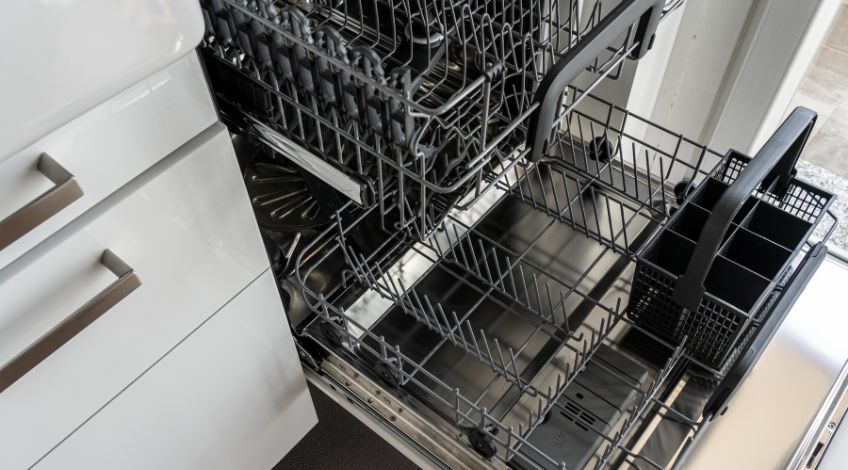
Dishwashers are great labour saving devices, you simply load all of your dirty dishes onto the racks, add detergent and press start. Once the cycle finishes, you just remove the now clean dishes and pack them away.
What we often forget about is the dishwasher filter. It might sound odd that we need to clean the dishwasher, but it can make all the difference to the state of your dishes.
Every time you use your dishwasher, any food or other particles get trapped in the filter to prevent drainage issues. Not only that, a dirty filter provides the perfect place for bacteria to breed.
In an ideal world, you should rinse the filter on your dishwasher after every use. Which might sound extreme, but it will prevent a build up of germs, bacteria and the potential break down of your dishwasher.
Once you have removed the filter, scrape any visible food particles into the bin and then wash the filter in warm soapy water and scrub any stubborn areas using a toothbrush. In future, you should scrape any food from plates and dishes before placing them in the dishwasher.
It’s also a good idea to run a cleaning cycle in an empty dishwasher once a month to ensure the environment is clean and germ free.
8. The Salt & Pepper Pots
The salt and pepper pots are arguably the most touched items in your kitchen. They’re used by every member of the household, not forgetting any dinner guests.
They get used before handling meat, vegetables and other seasonings and condiments. Plus, if you keep your salt and pepper pots close to the cooker, they also are likely to have greasy or oily patches which attract dirt, dust and bacteria.
You have probably never cleaned your salt and pepper pots which means they are probably covered in germs and bacteria that could potentially spread onto your food. All you need to do is wipe them down once a week with a damp cloth and dry them using a piece of kitchen paper.
When they are empty, wash them in warm soapy water or if they’re dishwasher safe, run them through a cycle with your dishes.
Don’t Let Hidden Dirt Linger, Clean Smarter Not Harder
It’s easy to assume your kitchen is clean once the dishes are done and the counters are wiped. But as we’ve seen, some of the dirtiest items in your kitchen are the ones hiding in plain sight.
From sponges to salt shakers, these overlooked spots can turn your clean kitchen into a secret breeding ground for germs. The good news? A few extra minutes each week is all it takes to keep these items spotless and safe.
So next time you tidy up, don’t just clean what you see, clean what you miss. If you found this article helpful, share it with your socials because we all deserve a clean, germ free home.
SEE ALSO: 15 Ways To Use Baking Soda In The Kitchen (you probably didn’t know)
Frequently Asked Questions
It’s important to clean the dish sponge regularly because sponges absorb grease, food particles, and moisture, making them a perfect breeding ground for bacteria that can transfer onto your dishes.
Ideally you should clean the dishwasher filter after every use, but at the very least once a week to prevent food build-up, odours, and bacteria growth.
The best way to clean a glass hob without scratching it is to use a non abrasive cream cleaner and a microfibre cloth. Avoid scrubbing too hard or using steel wool.
You can prevent pests in your food cupboards by storing dry goods in airtight containers, wiping shelves regularly with disinfectant, and rotating food to use older items first.
Also, follow us on Pinterest ...