How to Clean Your Dishwasher Without Harsh Chemicals
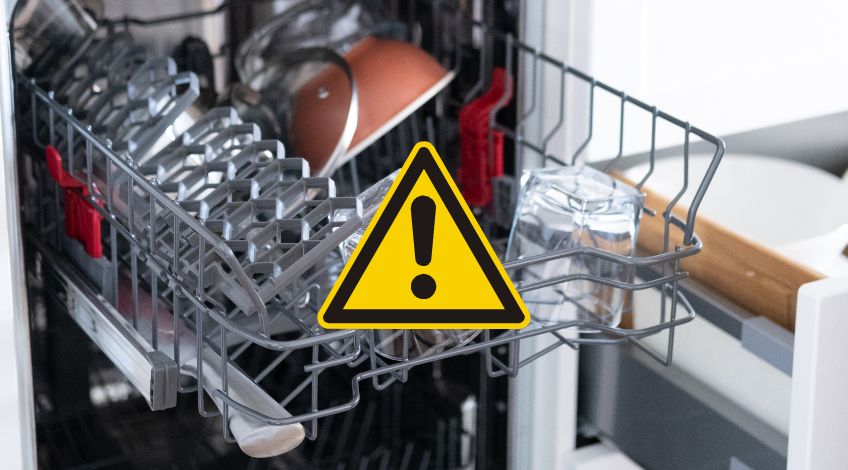
Your dishwasher works hard every day to keep your dishes sparkling clean, but when was the last time you returned the favour? A clean dishwasher isn’t just about keeping it looking good; it’s essential for ensuring your dishes come out spotless and hygienic.
Plus, by ditching harsh chemicals and using natural methods, you’ll protect your health and the environment. Let’s get straight into how to clean your dishwasher effectively and naturally.
Why Your Dishwasher Needs Regular Cleaning

It might seem ironic, but the very appliance that cleans your dishes can become a breeding ground for grime, odours, and bacteria. Here’s why:
- Food Debris
Tiny scraps of food sneak into the corners of your dishwasher, where they decay and create unpleasant smells. Gross, right? - Hard Water Deposits
If your water supply is rich in minerals (as it is in many places), these minerals leave chalky white or yellow stains on your dishwasher’s surfaces and on your dishes. - Soap Scum
Leftover detergent can cling to the inside of your dishwasher, forming a filmy residue over time. - Clogged Spray Arms
When food particles or mineral deposits block the nozzles on your spray arms, water can’t flow properly, and your dishes won’t get clean. - Dirty Filters
The filter traps food particles to protect your dishwasher’s drainage system. But if you don’t clean it, it can clog and smell awful.
Now that you know what causes the buildup, let’s clean it, without resorting to harsh chemicals.
Steps To Naturally Clean Your Dishwasher
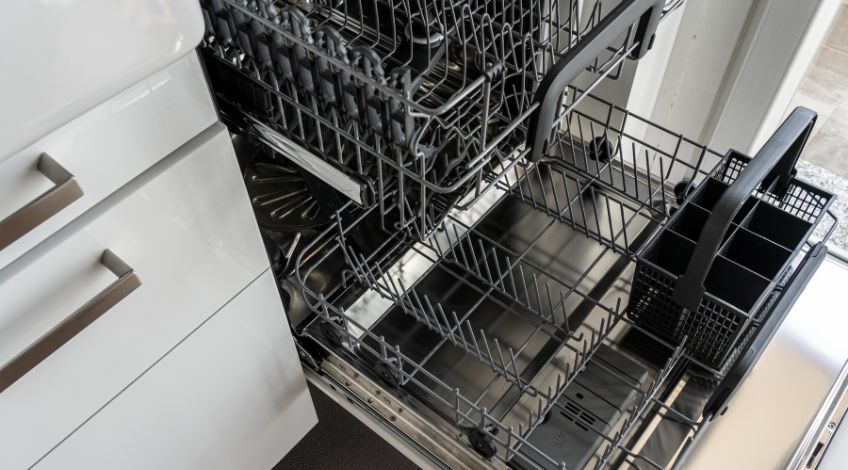
Here’s a simple, step-by-step guide to cleaning your dishwasher using natural ingredients you probably already have at home.
- Clean The Filter
The filter is the first place to tackle. Here’s how to clean it: Locate the filter at the bottom of the dishwasher. Remove it (check your manual if you’re unsure how). Rinse it under warm water to remove debris. For tougher grime, soak it in warm water with a bit of washing up liquid, then gently scrub with a soft brush. - Wipe The Door Seal
Food particles and grease can accumulate around the rubber door seal. To clean it: Mix equal parts distilled white vinegar and water. Dip a cloth into the solution and wipe down the seal. For stubborn spots, use an old toothbrush. Be sure to rinse thoroughly, as vinegar can damage rubber if left too long. - Unclog The Spray Arms
Clogged spray arms mean your dishwasher can’t do its job properly. Here’s how to fix them: Remove the spray arms (again, consult your manual if needed). Rinse them under running water. Use a toothpick or small brush to clear any blockages in the nozzles. - Run A Vinegar Cycle
White vinegar is a natural cleaning powerhouse. Here’s how to use it: Place a dishwasher safe container filled with 1 cup of white vinegar on the top rack. Run a hot water cycle. The vinegar will break down grease, grime, and mineral buildup. - Follow with A Baking Soda Cycle
To deodorise and add extra sparkle: Sprinkle 1 cup of baking soda across the bottom of the dishwasher. Run another hot water cycle. The baking soda will neutralise odours and scrub away stains. - Give It A Final Wipe
After the cycles are complete, wipe down the interior with a damp cloth to remove any remaining residue.
Tips To Keep Your Dishwasher Clean Naturally
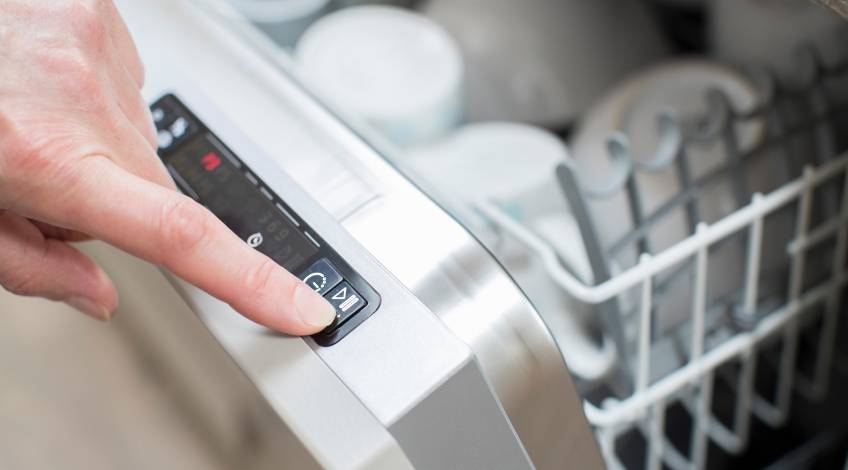
Preventing buildup is easier than tackling it later. Follow these simple habits:
- Scrape, Don’t Rinse
Before loading your dishes, scrape off large food scraps. There’s no need to pre-rinse, but removing chunks helps prevent clogs. - Show The Filter Some Love
Clean your filter every week or two to keep it working efficiently. It only takes a few minutes! - Use Natural Rinse Aid
White vinegar can double as a rinse aid. Add a small amount to the rinse aid dispenser to prevent water spots and streaks. - Perform Regular Maintenance Cycles
Run an empty cycle with white vinegar every month to prevent grease and grime buildup. - Check The Spray Arms
Inspect the spray arms periodically and remove any debris to ensure proper water flow.
Why Choose Natural Cleaning Methods?
Switching to natural cleaning methods offers several benefits:
- Safer For You
No harsh chemicals means no exposure to toxic fumes or residues. - Eco-Friendly
Vinegar and baking soda are biodegradable and won’t harm the environment. - Budget Friendly
These ingredients are inexpensive and multipurpose.
And That’s All There Is To It!
Cleaning your dishwasher naturally is simple, effective, and better for your health and the environment. By following these tips, your dishwasher will stay in top condition, your dishes will come out sparkling, and you’ll never have to deal with a dirty, smelly dishwasher again.
What are your favourite natural cleaning hacks? Share them in the comments and pass this guide along to anyone who might need it! Maybe share it with your socials and let all your friends know you’re an eco-warrior!
SEE ALSO: The 5 Cleaning Fails That Leave Your Kitchen Floor Sticky – Are You Guilty?
Also, follow us on Pinterest ...