Closet Decluttering 101: The Easy Way To Create A Wardrobe You Love!
Is your wardrobe so packed that you can barely close the doors? Whether you are a busy professional who has collected too many suits, someone whose style has changed but whose wardrobe has not, or just feel overwhelmed every time you try to get dressed, this guide will help you sort it all out!
Let us break it down into simple steps that actually work in real life. Plus, you will get a free wardrobe decluttering checklist at the end to make it even easier!
What You Will Need
Before you start pulling everything out of your wardrobe, gather these essentials:
The Basics
- Large bags for donations
- Boxes for storage
- Labels and a marker
- Full length mirror
- Good lighting
- Cleaning supplies
Cleaning Kit
- Microfibre cloths
- All purpose cleaner
- Vacuum cleaner
- Lint roller
Let Us Get Started
Step 1: Empty Your Wardrobe
Start by taking everything out of your wardrobe and placing it on your bed. This might seem overwhelming, but seeing all your clothes at once helps you make better decisions about what to keep. Remember, we are going to tackle this systematically, not just create a bigger mess.
Sort everything into three initial piles: “love and wear”, “not sure”, and “time to go”. Do not spend too much time deciding at this stage, just go with your gut feeling. The key is to keep moving quickly through your items to maintain momentum.
Step 2: Love And Wear Pile
This pile should only contain items you have worn in the last six months and that make you feel fantastic. Be honest with yourself, that expensive dress you have never found the right occasion for does not belong here, no matter how much it cost.
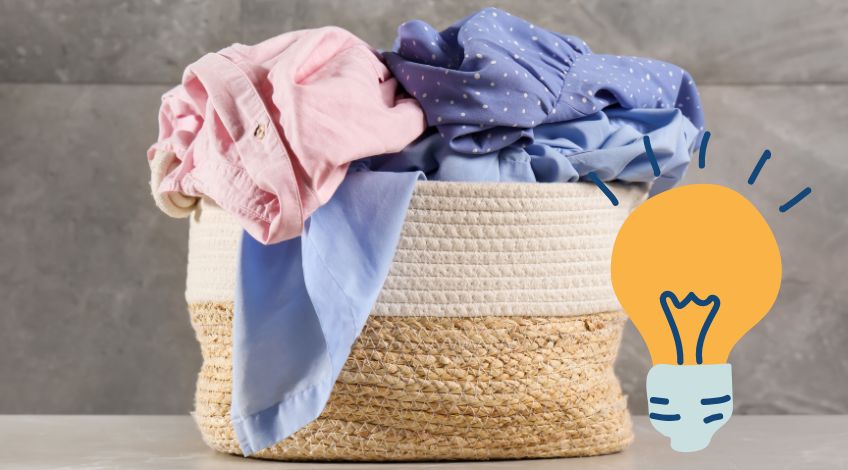
Check each piece for damage, stains, or needed repairs. Sort these clothes by type (tops, trousers, dresses) to make it easier to spot if you have too many similar items.
Step 3: Not Sure Pile
These are the clothes that make you pause, whether because they do not quite fit or you have not found the right occasion to wear them. Try on everything in this pile, no exceptions. If you cannot be bothered to try something on, that is a clear sign it should probably go.
Set a timer for 30 minutes and make quick decisions. Does it fit? Do you feel good in it? Do you have other clothes to wear it with? If you answer no to any of these questions, move it to the “time to go” pile. Be ruthless, your wardrobe should only contain clothes you actually wear.
Step 4: Time To Go Pile
This pile might be the largest, and that is perfectly fine. Sort these items into clear categories: donate (good condition), sell (valuable pieces), bin (damaged), and recycle (textiles). Be realistic about what you will actually get around to selling, most items are better off being donated.
Pack up donation bags immediately and put them in your car or by the front door. The longer these clothes stay in your house, the more likely you are to start second guessing your decisions. Remember, someone else might get great use out of these pieces.
Step 5: Clean Your Space
Now that your wardrobe is empty, it is time for a proper clean. Start with the ceiling and walls, wiping away any cobwebs and dust. Then tackle the rails, shelves, and drawers with a damp cloth and all purpose cleaner, making sure everything is completely dry before moving on.
Vacuum the floor thoroughly, getting into all the corners where dust loves to hide. This is also the perfect time to check for any loose screws, wobbly rails, or repairs needed. A stable wardrobe makes keeping things organised much easier.
Step 6: Smart Storage Solutions
Start with your hanging space, using slim hangers to maximise room and group similar items together. Keep your most worn items at eye level, with seasonal or occasional pieces stored higher up. Use hanging organisers for smaller items like scarves or belts, keeping everything visible and easy to grab.
For folded clothes, invest in drawer dividers to keep piles neat and stop them from toppling over. Roll t-shirts and jumpers instead of folding them flat, this saves space and lets you see everything at a glance. Store heavier items on bottom shelves to prevent sagging and keep your wardrobe stable.
Step 7: Organising Accessories
Create designated spots for shoes, bags, and accessories using clear boxes or organisers. Label everything clearly and stick to your system, even when you are in a rush. Hooks on the back of your wardrobe door can double your storage space for bags or scarves.
Store jewellery in small boxes or hanging organisers to prevent tangling and make everything easy to see. Use shoe racks or clear boxes to protect footwear and keep pairs together. If space is tight, consider storing occasional shoes elsewhere and rotating them seasonally.
Step 8: The Final Arrangement
Start by hanging your longer items like dresses and coats first, then add shorter pieces like shirts and jackets. This creates a natural flow in your wardrobe and stops longer items from crushing everything else. Group similar items together and arrange them by colour for a visually pleasing look.
Fill your drawers and shelves next, keeping the most used items easily accessible. Arrange shoes and bags in their designated spots, and finish with accessories. Step back and check everything is visible and easy to reach, adjust if needed.
Step 9: Daily Maintenance
Start each morning by putting away anything you try on but do not wear. Keep a small donation bag in your wardrobe for items you decide are not working as you wear them. This prevents the “maybe” pile from building up again and keeps your wardrobe functional.
End each day by hanging up worn clothes properly or putting them in the wash. Never leave clothes in piles on the floor or draped over chairs, this is how wrinkles and clutter start to creep back in. Take five minutes to clear surfaces and check everything is in its proper place.
Step 10: Seasonal Switch
Every few months, take an hour to review your wardrobe and switch out seasonal items. Store winter coats and heavy jumpers in vacuum bags during summer, and swap in your warmer weather clothes. This keeps your wardrobe spacious and prevents off season items from getting damaged.
Use this time to check for any repairs needed or items that have not been worn. Be honest about what you actually wore during the season and what sat untouched. This helps you make better choices about what to keep and what to let go in future.
How To Deal With Wardrobe Issues
Common Problem 1: No Space
If your wardrobe feels cramped even after decluttering, start by removing all empty hangers and switching to slim velvet ones. These take up far less space and stop clothes from slipping onto the floor. Add an extra hanging rail if possible, or use hanging organisers that make the most of vertical space.
Store seasonal items in vacuum bags under your bed or on top of your wardrobe. Keep only the current season’s clothes in your main wardrobe space. Remember, a packed wardrobe makes it harder to see what you have and keeps you from wearing everything you own.
Common Problem 2: Everything Gets Creased
Prevent creases by giving your clothes proper breathing room. Never stuff too many items onto one rail or into drawers, this is a guaranteed way to end up with wrinkled clothes. Use proper hangers that support the shoulders of jackets and shirts, and fold knitwear to prevent stretching.
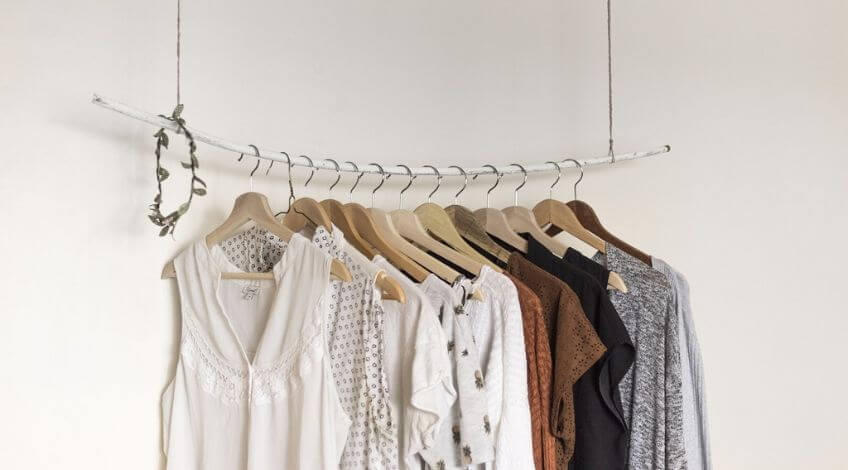
Sort your clothes by fabric type, keeping delicate items separate from heavier pieces. Use drawer dividers to keep folded items neat and prevent them from getting squashed. When hanging dresses or trousers, make sure they have enough space to hang freely without being crushed.
Common Problem 3: Cannot Find Anything
Create clear zones in your wardrobe for different types of clothes. Keep work wear together, casual clothes in another section, and occasion wear separate. Use labels if needed until you get used to your new system. Arrange everything so you can see it clearly at a glance.
Organise your clothes by colour within each category. This makes it much easier to find specific items and put outfits together quickly. Keep your most worn items at eye level and store occasional pieces higher up or lower down. The key is to make your everyday clothes easily accessible.
For Busy Professionals
Create a section of your wardrobe dedicated to work wear, with complete outfits that you know work well together. Spend ten minutes each Sunday planning your outfits for the week ahead. This saves precious time in the morning and ensures you always look put together.
Keep a selection of reliable basics in neutral colours that mix and match easily. Store your formal wear carefully, using good quality hangers and garment bags to protect suits and delicate pieces. Having a well organised work wardrobe reduces morning stress and helps you feel more professional.
For Those Between Sizes
Keep only clothes that fit you right now in your main wardrobe space. Store other sizes in clearly labelled boxes elsewhere, but be selective about what you keep. There is no point storing clothes that you do not love or that no longer suit your style, regardless of size.
Review your stored clothes every three months and be honest about what is still relevant to your life. Your style and preferences might change as much as your size does. Keep only pieces you would be excited to wear again, and donate the rest to make space for clothes that make you feel good now.
For Small Wardrobes
Make use of every inch of space by adding hooks to the backs of doors, using slimline hangers, and installing extra rails where possible. Use the full height of your wardrobe with shelves right up to the ceiling for seasonal or occasional items. Clear storage boxes help you see what is stored up high.
Think carefully about what you really need to keep in your wardrobe. Store out of season clothes elsewhere, and consider creating a capsule wardrobe of pieces that work well together. This makes the most of limited space and ensures everything you keep earns its place.
Organise The Wardrobe You Love Today!
A well organised wardrobe does more than just look nice, it changes how you start each day. Instead of staring at a packed rail feeling like you have nothing to wear, you will have a clear view of clothes that fit well and make you feel fantastic. This saves time in the morning and reduces the stress of getting dressed.
To help you maintain your newly organised wardrobe, we have created a comprehensive checklist that makes it easy to stay on track.
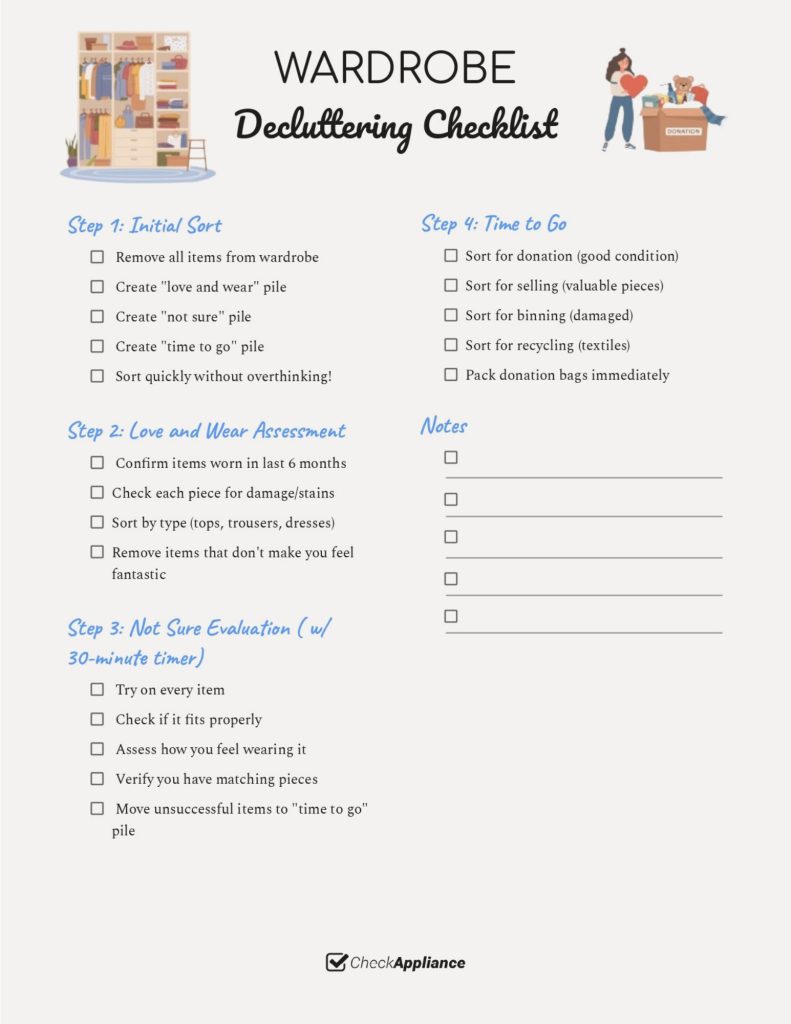
DOWNLOAD YOUR FREE WARDROBE DECLUTTERING CHECKLIST HERE
When your wardrobe works properly, you spend less money on clothes you do not need and make better use of what you have. You will find yourself putting together new outfit combinations, wearing more of your clothes, and feeling more confident in your style choices.
Share these tips with friends or family who could use some wardrobe inspiration, because everyone deserves to feel confident and stylish in their clothes!
SEE ALSO: How To Declutter Your Kitchen Like A Pro! (Free Checklist!)
Also, follow us on Pinterest ...