Think Fabric Softener Is Safe? Your Dog Might Disagree…
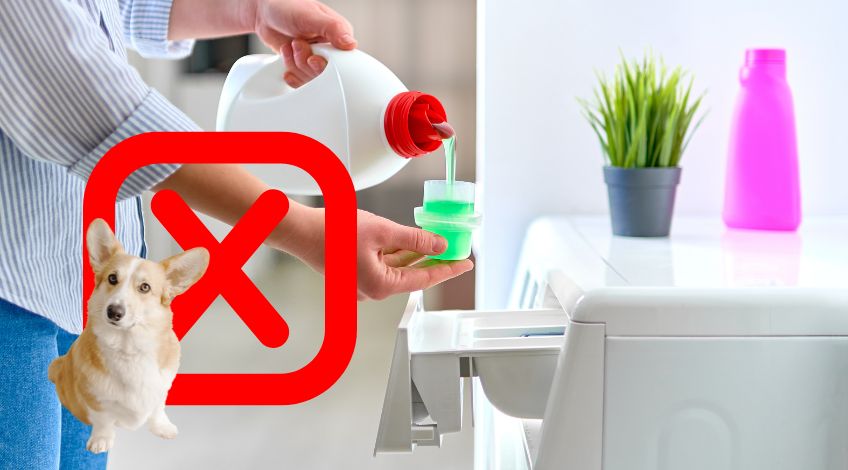
Let’s talk about something you’ve probably never given a second thought to, fabric softener. That bottle of sweet-smelling stuff sitting next to your laundry detergent? It’s not as innocent as it looks. If you’ve got pets, it might just be the bad guy lurking in your utility room.
And it’s not just pets, fabric softener can cause serious problems for wildlife.
Don’t believe me? Keep reading and prepare to be shocked!
The Lowdown on Fabric Softener
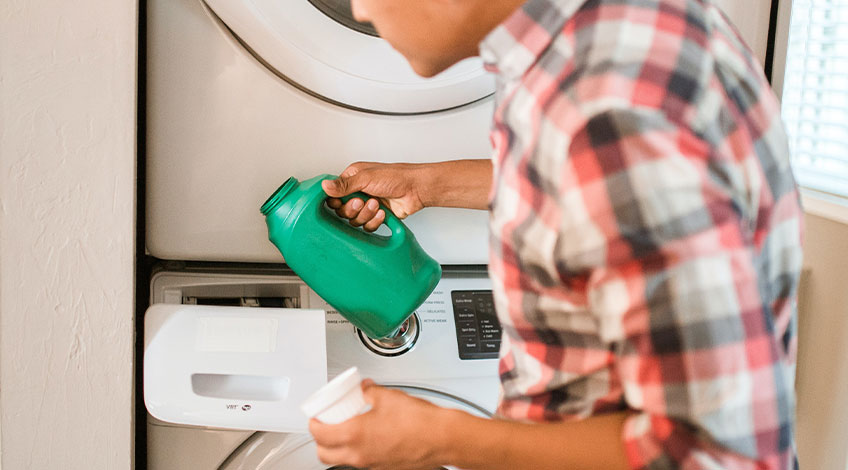
Fabric softener comes in two forms: liquid or those sneaky dryer sheets. They were invented back in the 60s to deal with rough, scratchy clothes and leave them soft, static-free, and smelling “like a meadow” (or whatever the marketing says).
But here’s the catch: to do all that, they’re loaded with chemicals that could cause your pets a whole heap of problems.
Why You Should Be Worried
Well, for starters, these chemicals don’t just vanish into thin air. They coat your clothes, your skin, and yep, your pet’s bedding. And for animals, who are much more sensitive to this stuff, that’s bad news. Think of it like this: if it’s sketchy for you, it’s downright dangerous for them.
“Curiosity Killed the Cat” Could Be a Reality
If you ever leave a dryer sheet lying around, or accidentally spill a bit of liquid fabric softener on the floor, your dog might think it’s a toy or your cat might just give it a sniff. And that’s where the trouble starts.
A single paw in the spill, or worse, a nibble on a dryer sheet, can lead to some seriously scary symptoms. The problem is both dogs and cats are curious or nosey. All they want to do is be around you and a part of what you’re doing.
So, What’s in Fabric Softener?
Fabric softener is made from a chemical cocktail with names you can’t pronounce like benzyl acetate, glutaraldehyde, ethanol, and quats (quaternary ammonium compounds if you’re feeling fancy). Sounds dodgy already, doesn’t it?
Here’s What Those Chemicals Can Do:
- To Your Pets:
Skin irritation, mouth ulcers, vomiting, seizures, and even death in extreme cases. - To You:
Allergies, breathing problems, and some chemicals are linked to even scarier stuff like cancer. - To the Planet:
These chemicals wash into waterways, sticking around for ages and messing up aquatic life.
Plus if you use fabric softener regularly, it builds up in your clothes and prevents the fibres from absorbing water. Which means your clothes don’t even get washed properly and can end up stinking over time.
Fire Hazard
Another less publicised problem that can be caused by fabric softeners is that the waterproof coating they coat fabrics with is also flammable. If you have clothes that have been treated with a fire retardant and they get coated in fabric softener, they’re probably more flammable than they were before getting the fire retardant coating.
Still think it’s worth that “fresh linen” scent?
Signs Your Pet’s Had a Run-In with Fabric Softener
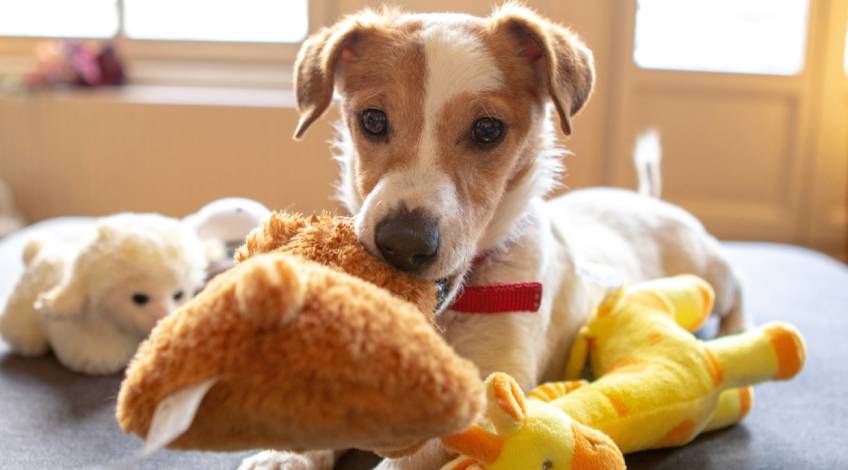
If you think your furry friend’s been exposed, here’s what to look out for:
- Skin Exposure
Redness, swelling, and ulcers, pain and lots of licking and pawing (not in the cute way). - Oral Exposure
Vomiting, drooling, and swollen tongues. As well as fast breathing, coughing, diarrhoea, and just looking knackered. - Eye Exposure
Red, watery, and puffy eyes.
If they’ve ingested a lot, you might see seizures, difficulty breathing or even collapse. In extreme cases your pet might even lapse into a coma. Not exactly what you want after doing the laundry, is it?
What Should You Do?
First, don’t panic (easier said than done, I know). Rinse the affected area with water and encourage your pet to drink loads. Then take them to the vet and take the fabric softener bottle with you. Trust me, the vet needs to know what they’re dealing with.
What’s Safe To Use Instead Of Fabric Softener?
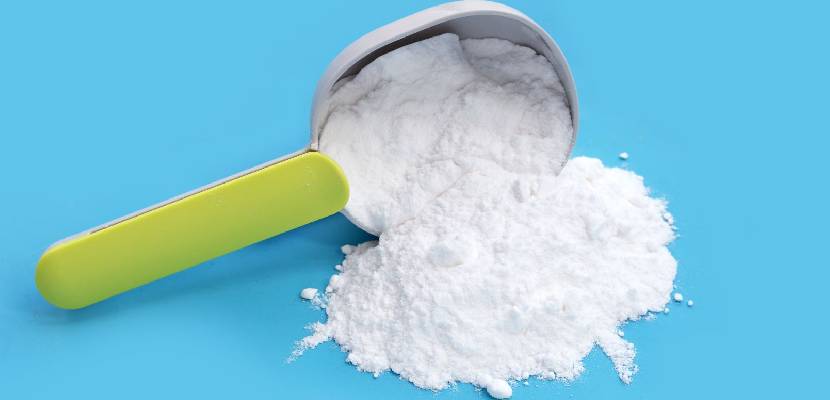
If this has you side-eyeing that bottle of fabric softener, good. It’s time to kick it to the curb. But don’t worry, your clothes don’t have to feel like sandpaper. Here are some pet-friendly alternatives:
White Vinegar
Pop half a cup into the rinse cycle. It softens clothes and fixes colours. Bonus: it’s dirt cheap.
But don’t use any other type of vinegar except white vinegar unless you want your laundry covered with brown vinegar stains.
Bicarbonate Of Soda
Add half a cup to your wash to soften water and fabrics. Because bicarbonate of soda also softens the water, you won’t need to use as much detergent either. Plus it’ll make your whites whiter.
Wool Dryer Balls
If you use dryer sheets in your tumble dryer, try using wool dryer balls instead. Throw a couple into the tumble dryer.
They bounce around, fluff up your laundry, and cut drying time. If you don’t have any, clean tennis balls work too (but only on a low heat, unless you fancy melted tennis ball goo).
But What About Washing Pet Beds?
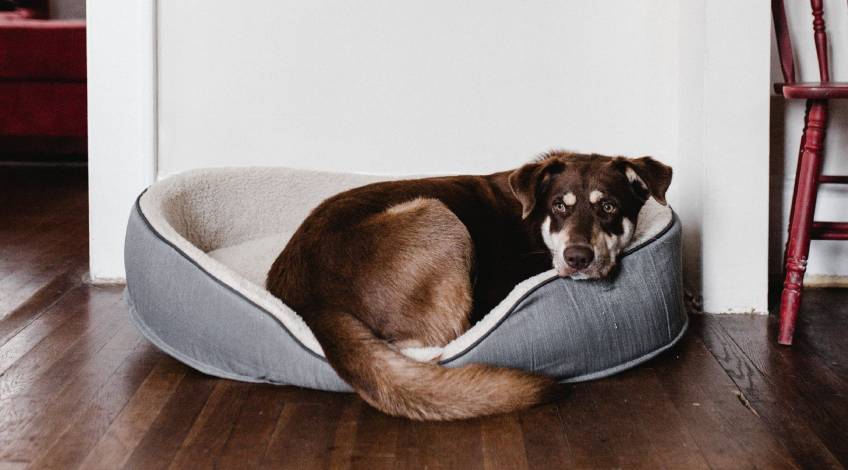
You’re not off the hook there either. Pet beds can get rank, think fleas, germs, and all sorts of nasties. Here’s how to clean them safely:
- Remove The Hair
Vacuum or use a lint roller to get rid of all that fur. It’ll save your washing machine from clogging up too. - Pre-Treat Stains
Use a pet-friendly stain remover. Better safe than sorry, right? - Wash It
Chuck it in the machine with a pet-safe detergent and skip the fabric softener (duh). - Air Dry
If the weather’s decent, hang it outside. The sun’s UV rays will kill any lingering germs. If not, tumble dry on low heat, no dryer sheets allowed.
Over To You
Have you ever had a close call with fabric softener and your pet? Or maybe you’ve got a genius hack for softening laundry? Share your stories in the comments, and don’t forget to pass this on to your fellow pet lovers. Who knows, you might just save a life (or at least a vet bill).
SEE ALSO: Stop! Before You Pour Citric Acid in Your Washing Machine, Read This!
Also, follow us on Pinterest ...