Stop! Before You Pour Citric Acid in Your Washing Machine, Read This!
You’ve probably heard the chatter about using citric acid to clean your washing machine. Some people swear by it, others act like you’ve just suggested putting a toaster in the bath. So, what’s the deal? Can citric acid actually wreck your washer? Grab a cuppa and let’s break it down.
Why People Are Obsessed With Citric Acid
Here’s the thing: washing machines can get grimy. Over time, mineral deposits and detergent gunk build up inside. It’s like your machine’s own version of a clogged artery. Not only does it look manky, but it also makes your washer less efficient. And who needs to spend their hard-earned cash on a replacement when a good clean could sort it.
Now, more than 60% of the UK has hard water. That means your water’s packed with calcium and magnesium, which loves to cling to your machine’s insides. Enter citric acid – the hero that’s meant to zap limescale into oblivion. But, before you go chucking it in, let’s look at the facts.
How to Use Citric Acid Safely
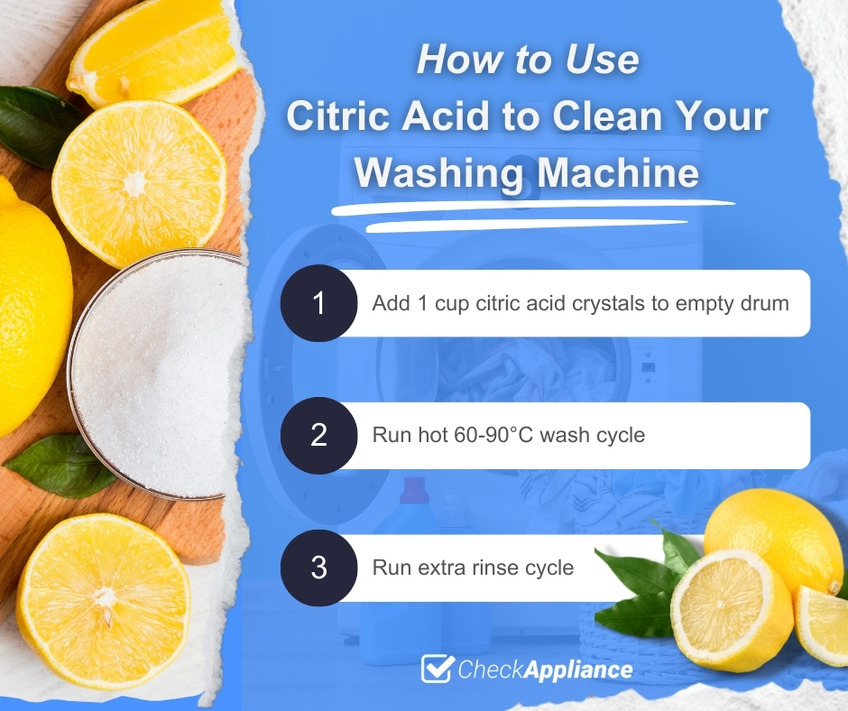
Using citric acid isn’t rocket science, but you’ve got to do it right. Here’s what you need:
- 1 cup of citric acid crystals
- A washing machine that’s ready for a spa day
Instructions:
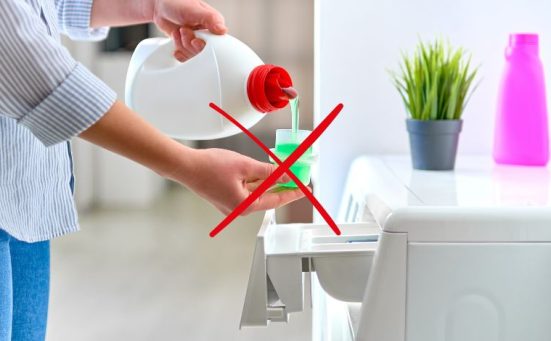
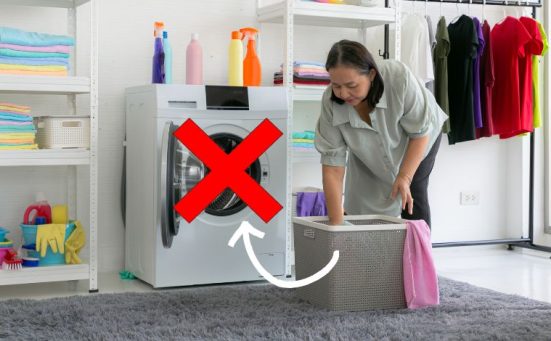
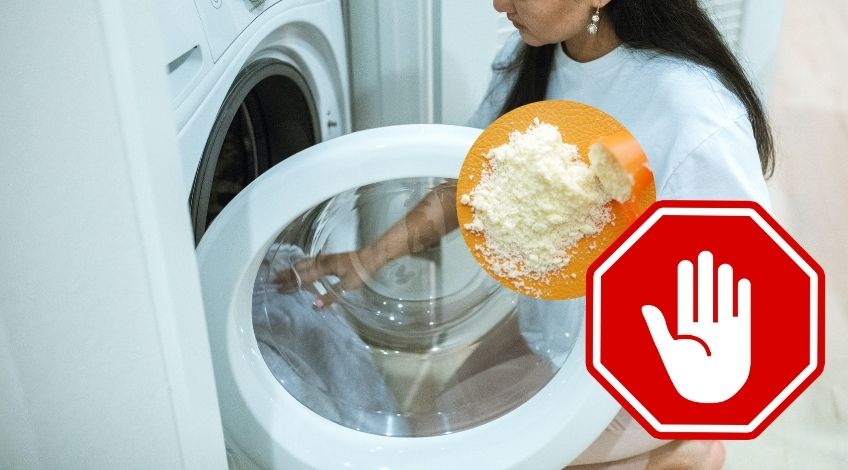
- Chuck the citric acid straight into the empty drum. Don’t mix it with your detergent – this isn’t Bake Off.
- Run a hot wash (60°C or 90°C works best).
- Once it’s done, run an extra rinse cycle to make sure every trace of citric acid is gone.
The hot water helps spread the citric acid around, breaking down all that nasty limescale and gunk. The rinse? That’s like cleaning up the evidence so your machine’s rubber parts don’t take a hit.
Works for Both Front Loaders and Top Loaders
Whether you’ve got a front loader or a top loader, citric acid can work its magic on both. For front loaders, the citric acid will easily circulate through the drum and pipes during the hot wash.
Top loaders might take a little longer to fill up, but the process is just as effective. Just make sure to follow the same steps – no shortcuts! Both types of machines can enjoy the same squeaky-clean results without a fuss.
But Wait… Could Citric Acid Actually Cause Damage?
Here’s where it gets juicy. Bosch (yes, the big dogs of washing machines) said citric acid can mess with your machine’s rubber parts. They recommend their own fancy descaler instead – which, surprise surprise, contains citric acid. Bit cheeky, isn’t it? Other manufacturers also warn against it, but some, like LG, give it the thumbs up. Confused? Same.
The problem is that citric acid can wear out the rubber parts of your machine. It can make rubber crack and become as brittle as thin ice on a puddle. Plus it can also make rubber turn a nasty colour. All of which can cause the seals on your washer to fail. Let’s face it no one wants a flood because the hoses and seals on the washer have failed.
The trick is all in the dosage. Too much citric acid could cause damage. Stick to the recommended amounts and you should be fine. It’s like eating chocolate – a little bit is great, but a whole family-sized bar? You’ll regret it later.
Alternatives If You’re Not Convinced
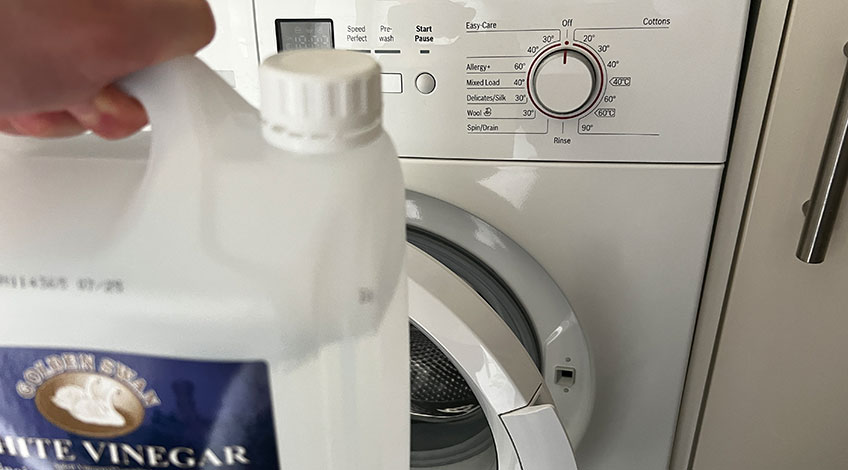
If the thought of using citric acid has you breaking out in a sweat, don’t worry. There are other ways to clean your washer without risking a meltdown.
Distilled White Vinegar and Bicarbonate of Soda
- Pour 4 cups of vinegar into the detergent drawer and run a hot wash. Pause it halfway for about 30 minutes to let it work its magic.
- Add 1 cup of bicarbonate of soda and run another cycle.
- Leave the door open after you’re done to keep it fresh and prevent mould.
Soda Crystals
Throw ⅓ cup of soda crystals in with every wash. They’ll soften the water and help stop limescale from building up. Bonus: you’ll need less detergent, saving you some dosh.
Final Verdict: Should You Use Citric Acid?
The choice is yours. Some folks love it, some wouldn’t touch it with a bargepole. If you’re careful and stick to the proper amounts, citric acid can be a lifesaver for your machine. But if you’re nervous, there are plenty of other options out there. Either way, give your washer some TLC now and then – it’ll thank you for it.
Got any washing machine horror stories or cleaning hacks? Drop them in the comments! And don’t forget to share this with your mates – you never know who’s about to overdo it with the citric acid.
Also, follow us on Pinterest ...