Is Your Stainless Steel Changing Colour? Here’s What It Really Means
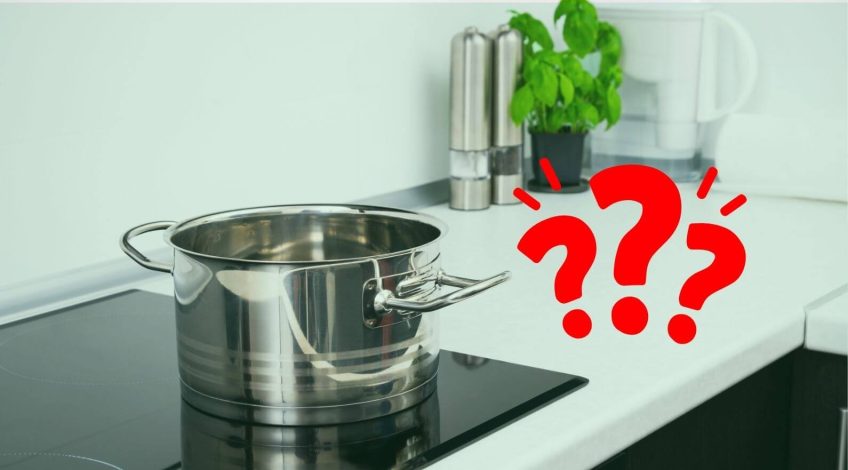
If you’ve ever lifted your favourite stainless steel pan off the hob only to discover a rainbow film shimmering across its surface, you’re definitely not alone. That gorgeous, polished cookware you proudly display in your modern kitchen has developed what looks like an oil slick, and you’re wondering if it’s ruined forever.
Here’s the good news: those rainbow colours on your stainless steel are completely harmless and surprisingly easy to fix. The discolouration is actually a natural reaction that occurs when chromium in the steel meets oxygen and heat. It’s not dangerous, it won’t affect your cooking, and with the right technique, you can have your pans looking pristine again in minutes.
Let’s explore exactly what causes this colour change and, more importantly, how to restore that mirror like finish you love so much.
What Causes Stainless Steel To Change Colour?
Understanding why your beautiful cookware develops these mysterious rainbow patterns is the first step to preventing and fixing them.
The Science Behind The Rainbow Effect
Your stainless steel pots and pans contain chromium, a robust metal that gives them their corrosion resistant properties. When chromium meets oxygen and high heat, it forms a thin protective oxide layer on the surface. This invisible layer actually helps protect your cookware from rust and damage!
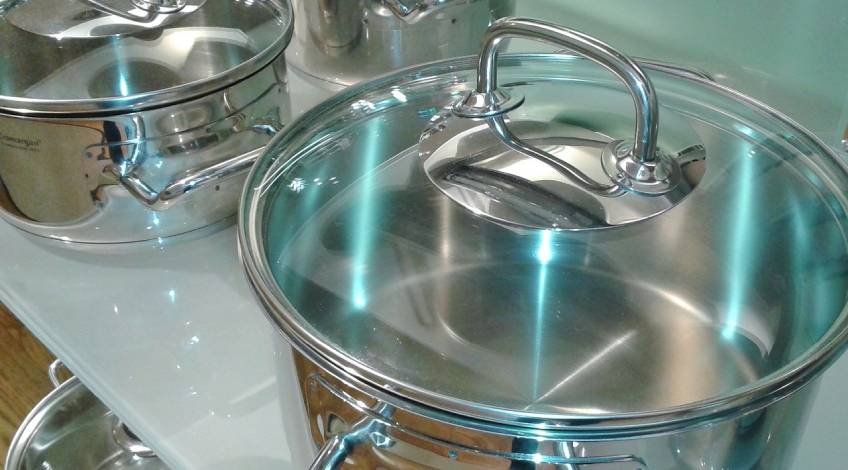
The rainbow colours appear because this ultra thin layer interferes with light waves, and it’s the same phenomenon that creates colours in soap bubbles or oil on water. The thickness of the oxide layer determines which colours you’ll see, ranging from golden yellows to deep purples and blues.
This discolouration typically happens when you’ve used high heat for extended periods, left an empty pan on the hob, or heated oil beyond its smoking point. It’s particularly common when cooking with oils that have low smoke points or when preheating pans for too long.
Is The Discolouration Dangerous?
Absolutely not! This rainbow film is completely food safe and won’t affect the taste or quality of your meals. The oxide layer is actually beneficial, providing an extra barrier against corrosion. Some chefs consider these heat marks a badge of honour, a proof that their cookware is well used and loved.
However, if you prefer the pristine, mirror like appearance that makes your kitchen look effortlessly elegant, there’s no need to live with the discolouration.
How To Remove Rainbow Stains From Stainless Steel
The secret weapon for tackling these stubborn rainbow marks is probably sitting in your kitchen cupboard right now: white vinegar!
The Vinegar Method That Actually Works
White vinegar’s mild acidity makes it perfect for breaking down the oxidised layer without damaging your cookware’s surface. This method is gentle enough for regular use yet effective enough to handle even the most stubborn discolouration.
What You’ll Need
- White vinegar
- Water
- Non abrasive sponge or microfibre cloth
- Washing up liquid
- Rubber gloves (optional)
Step By Step Process
- Mix Your Solution
Combine equal parts white vinegar and water in a bowl. For particularly stubborn stains, you can use undiluted vinegar, but the diluted version works brilliantly for most situations. - Apply The Vinegar
Pour the solution over the discoloured area, ensuring complete coverage. For vertical surfaces like the sides of pans, use a soaked cloth to apply the solution. - Let It Work
Allow the vinegar to sit for 5 to 10 minutes. You’ll often see the discolouration beginning to fade almost immediately as the acid breaks down the oxide layer. - Gentle Scrubbing
Using a non abrasive sponge, gently work the vinegar into the surface using circular motions. Avoid steel wool or harsh scrubbers that could scratch your cookware. - Rinse And Dry
Thoroughly rinse with warm water to remove all vinegar residue, then dry immediately with a clean cloth to prevent water spots.
Alternative Cleaning Methods
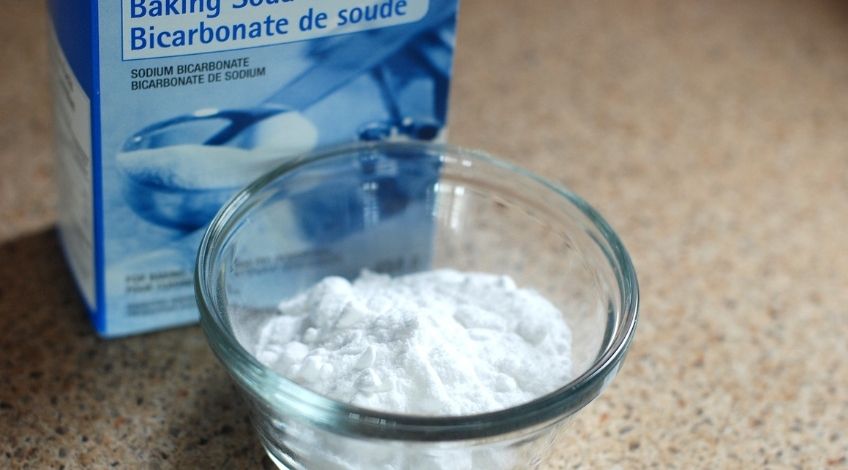
If vinegar isn’t available, bicarbonate of soda mixed with a small amount of water creates an effective paste. Apply it to the discoloured area, let it sit for a few minutes, then scrub gently and rinse thoroughly.
For extremely stubborn marks, commercial stainless steel cleaners specifically designed for cookware can be effective, though they’re rarely necessary for standard heat discolouration.
Preventing Future Discolouration
Once you’ve restored your cookware to its original shine, these simple habits will help maintain that polished appearance.
Temperature Control Is Key
The most effective way to prevent rainbow stains is managing your cooking temperatures. Stainless steel is an excellent heat conductor, so you rarely need maximum heat settings. Medium to medium high heat is sufficient for most cooking tasks and will help preserve your cookware’s appearance.
When preheating pans, watch for visual cues that indicate they’re ready. A drop of water should dance and evaporate quickly on a properly heated surface. This technique, favoured by professional chefs, ensures optimal cooking temperature without overheating.
Choose The Right Oils
Different cooking oils have varying smoke points, and exceeding these temperatures often leads to discolouration. Oils with higher smoke points like avocado oil (270°C) or refined olive oil (240°C) are better choices for high heat cooking than butter (150°C) or extra virgin olive oil (190°C).
When you see oil beginning to smoke, it’s time to reduce the heat immediately. Not only will this prevent discolouration, but it also prevents the formation of harmful compounds that can affect food flavour.
Proper Cleaning Habits
Cleaning your stainless steel cookware properly after each use prevents the buildup that can contribute to discolouration. Allow pans to cool slightly before washing (extreme temperature changes can cause warping), then clean with warm soapy water and dry immediately.
For everyday maintenance, avoid using harsh scrubbers that create microscopic scratches where food particles and oils can accumulate. These tiny imperfections can make future discolouration more likely and harder to remove.
Your Stainless Steel Deserves Better
Understanding that rainbow discolouration on your stainless steel cookware is a natural, harmless reaction takes the worry out of seeing those colourful patterns appear. With white vinegar as your secret weapon and proper heat management as your prevention strategy, you can keep your kitchen looking as polished and professional as the day you first arranged everything just so.
Remember, those gleaming pots and pans aren’t just tools; they’re part of what makes your kitchen a space you’re proud to cook in. A few minutes of care and the right cleaning technique will keep them looking spectacular for years to come.
Share this article with friends who’ve been wondering about their rainbow cookware, or save it for the next time your favourite pan develops that mysterious shimmer. Your future self will thank you when you can restore that perfect shine in minutes rather than hours!
SEE ALSO: Is the Salt Hack for Nonstick Pans Worth It? I Tried It So You Don’t Have To
Also, follow us on Pinterest ...