Noticing Frost in Your Freezer Here’s What It’s Really Telling You
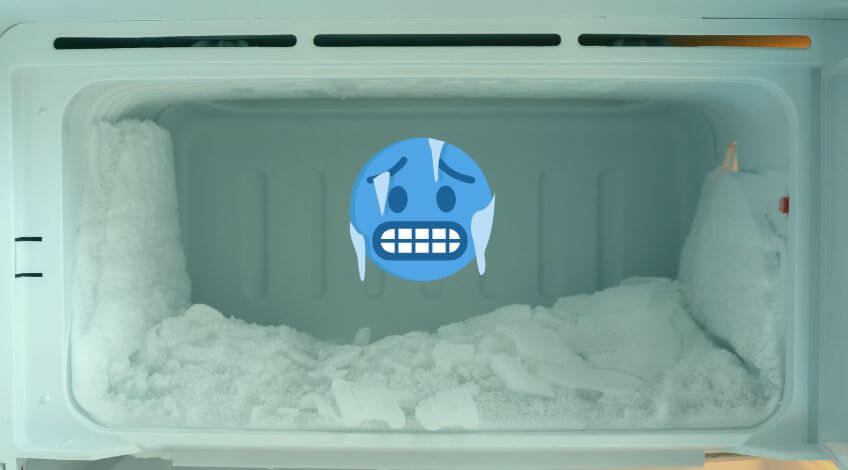
Ever opened your freezer to grab some frozen peas only to find yourself staring at what looks like the inside of an ice cave? Those thick, white crystals coating your freezer walls and making your ice cream containers stick together aren’t just annoying, they’re actually your freezer’s way of crying for help.
That frost buildup is telling you something important about your appliance’s health and efficiency. Ignoring it could mean higher energy bills, spoiled food, and eventually a costly repair bill that nobody wants to deal with.
The good news? Understanding what causes freezer frost and knowing how to prevent it can save you money, keep your frozen foods in perfect condition, and extend your freezer’s lifespan. Whether you’re someone who relies heavily on frozen meals for busy weeknights or you’ve invested in bulk buying to save money, keeping your freezer frost free is absolutely crucial.
Let’s uncover exactly what that frost is trying to tell you and how to keep your freezer working efficiently for years to come.
What That Frost Actually Is And Why It Appears
Before we tackle how to fix the problem, it’s important to understand exactly what you’re dealing with. That white, fluffy buildup isn’t just random ice, it’s actually frozen moisture that’s accumulated inside your freezer.
Freezer frost forms when warm, humid air comes into contact with the cold surfaces inside your appliance. Think of it like when you breathe on a cold window in winter and it fogs up, except in your freezer, that moisture instantly freezes into those annoying ice crystals.
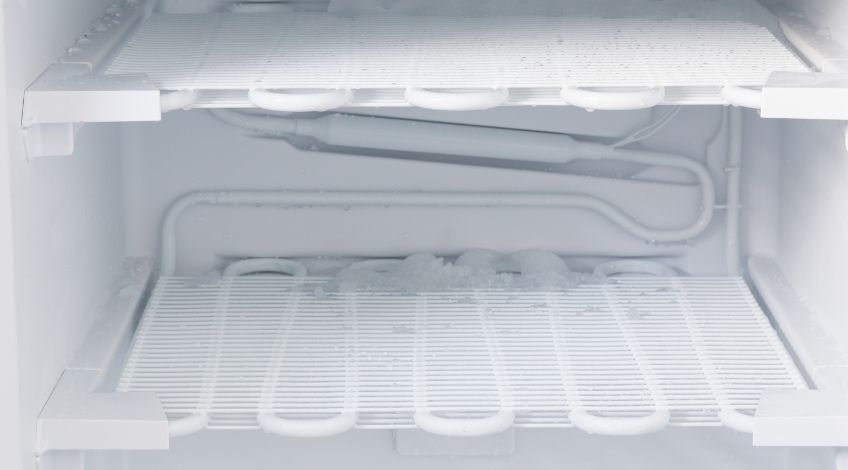
This process happens more often than you might think. Every time you open the freezer door, warm air rushes in. If you live in a particularly humid climate or your kitchen gets steamy from cooking, the problem becomes even worse.
For families who rely on frozen foods to keep meal times manageable, understanding this process is key to maintaining an efficient freezer that won’t let you down when you need it most.
Freezer Frost Warning Sign #1: Your Door Isn’t Sealing Properly
This is probably the most common culprit behind frost buildup, and it’s often overlooked. That rubber seal around your freezer door, called a gasket, is designed to keep warm air out and cold air in. When it’s damaged, worn, or simply dirty, it can’t do its job properly.
Check your door seal by closing the freezer door on a piece of paper. If you can pull the paper out easily, your seal isn’t tight enough. You might also notice condensation forming around the door or feel cold air escaping when you run your hand along the edges.
Cleaning the gasket regularly with warm, soapy water can often solve minor sealing issues. For households that use their freezer frequently, this simple maintenance step can prevent major frost problems from developing.
If cleaning doesn’t work, the gasket might need replacing. This is a relatively inexpensive fix that can save you hundreds in energy costs and prevent food spoilage.
Freezer Frost Warning Sign #2: You’re Leaving The Door Open Too Long
We’ve all done it, stood there with the freezer door wide open whilst deciding what to have for dinner. But those extra seconds (or minutes) of browsing are letting warm, humid air flood into your freezer, creating the perfect conditions for frost formation.
The longer the door stays open, the more warm air gets in and the harder your freezer has to work to bring the temperature back down. This not only creates frost but also drives up your energy bills.
Make a habit of deciding what you need before opening the door. For busy families managing multiple frozen items, consider keeping a list on the freezer door of what’s inside and where it’s located. This reduces door open time and helps prevent those “what have we got?” moments.
When you do need to rummage around, try to work quickly and close the door between searches if you’re looking for multiple items.
Freezer Frost Warning Sign #3: Hot Food Is Going Straight Into The Freezer
Putting hot or even warm food directly into your freezer is like sending an engraved invitation to frost buildup. That hot food releases steam and moisture, which immediately turns to frost on the cold surfaces around it.

This mistake is particularly common when batch cooking or trying to preserve leftovers quickly. But patience here really pays off in the long run.
Always let food cool to room temperature before freezing. For larger items like casseroles or soups, you can speed up the cooling process by placing the container in a cold water bath or dividing large portions into smaller, shallower containers.
Not only does this prevent frost, but it also protects the quality of your other frozen foods. Hot items can cause nearby frozen foods to partially thaw and refreeze, affecting their texture and taste.
Freezer Frost Warning Sign #4: Your Freezer Is Working Too Hard
Sometimes frost buildup is a sign that your freezer is struggling to maintain the right temperature. This could be due to a few different issues, from a malfunctioning defrost system to problems with the temperature control.
Modern freezers have automatic defrost cycles that should prevent major frost buildup. If you’re still getting thick frost despite following good practices, your defrost system might not be working properly.
Check your freezer’s temperature setting. It should be at minus 18°C (0°F). If it’s set too cold, your freezer works harder than necessary and can actually create more frost. If it’s not cold enough, food safety becomes a concern.
For households relying on frozen foods for meal planning, a properly functioning freezer is essential. Don’t ignore persistent frost issues, as they often indicate underlying problems that could lead to complete appliance failure.
Freezer Frost Warning Sign #5: Poor Air Circulation Inside The Unit
Overpacking your freezer might seem like good use of space, but it can actually create frost problems. When air can’t circulate properly around frozen items, cold spots develop where moisture can freeze into problematic frost buildup.
This is especially relevant for families who buy in bulk or those who like to batch cook and freeze meals ahead. The temptation to cram everything in can backfire.
Leave space between items and avoid blocking air vents inside your freezer. Most freezers have small vents that circulate cold air, and covering these with food packages disrupts the airflow your freezer needs to work efficiently.
Think of your freezer like a library, everything needs its proper place and there should be room to “breathe” between items. This not only prevents frost but also helps maintain consistent temperatures throughout the unit.
Freezer Frost Warning Sign #6: Your Freezer Location Is Working Against You
Where your freezer lives in your home can significantly impact frost formation. Placing it near heat sources like your oven, dishwasher, or even in direct sunlight from a window makes it work much harder to stay cold.
The harder your freezer works, the more likely you are to experience temperature fluctuations that can lead to frost buildup. This is particularly important in smaller kitchens where space is at a premium.
Ensure there’s adequate space around your freezer for air circulation. Most manufacturers recommend at least a few inches of clearance on all sides, and especially behind the unit where the compressor and coils are located.
If you must place your freezer in a warm area, consider improving ventilation around it or using a small fan to help with air circulation during particularly hot weather.
How To Remove Existing Frost Safely
When frost has already built up, removing it properly is crucial to avoid damaging your appliance or creating bigger problems.
- Never use sharp objects to scrape ice off your freezer walls
This can puncture the cooling system and turn a minor maintenance job into an expensive repair. Knives, ice picks, and even metal spatulas can cause irreversible damage. - The safest method is to unplug your freezer and let the frost melt naturally
Remove all food items first (this is a great opportunity to use up those forgotten frozen items or store them temporarily in a neighbour’s freezer).
Place towels around the base to catch melting water, and leave the door open to speed up the process. Once everything has melted, wipe down all surfaces with a clean, dry cloth before plugging the unit back in.
For future prevention, aim to defrost your freezer before frost builds up more than a quarter inch thick. This makes the process much quicker and easier.
Your Freezer Can Work Efficiently For Years
Remember, that frost is your freezer’s way of telling you something needs attention. Whether it’s a simple door seal cleaning or a more significant issue with temperature control, addressing frost problems early prevents bigger, more expensive problems down the line.
For households that depend on frozen foods for convenience and budget management, a well maintained freezer is essential. The time you invest in proper freezer care pays off in lower energy bills, better food quality, and the peace of mind that comes with a reliable appliance.
Don’t let frost buildup turn your freezer into an energy guzzling ice cave. With these insights, you can keep it running smoothly and efficiently for years to come.
Share these tips with friends who might be battling their own freezer frost issues. We’ve all been there, staring at that mysterious frost buildup and wondering what went wrong. Sometimes the simplest solutions make the biggest difference!
SEE ALSO: 11 Habits of People Whose Homes Always Look Spotless
Also, follow us on Pinterest ...