I Poured Salt Down My Drain And I Couldn’t Believe What Happened Next!
You’re standing at your kitchen sink, and there’s that smell again. You know the one: that weird, musty odour that seems to waft up from the plughole no matter how much you rinse it. Or maybe your water’s draining slower than a snail on a Sunday stroll, and you’re dreading the thought of calling a plumber and watching your hard earned cash disappear down the drain (pun absolutely intended).
What if we told you that humble table salt, that stuff you sprinkle on your chips, could be the answer to your drain woes? No expensive chemicals, no waiting around for professionals, just a simple household ingredient that probably costs you less than a quid. Whether you’re a DIY cleaning enthusiast or someone who loves finding clever uses for everyday items, this salt trick is about to become your new favourite household hack!
Why Your Drains Actually Need Regular Attention
Let’s talk about what’s actually happening in your pipes. Every time you use your sink, tiny bits of food, grease, soap scum and general gunk slide down the drain. Over time, this builds up on the inside of your pipes like plaque on teeth (lovely image, right?).
This buildup doesn’t just sit there quietly. It starts to smell as bacteria feast on the organic matter. It also narrows your pipes, which is why water starts draining more slowly. Before you know it, you’ve got a proper blockage on your hands.
Most people reach for harsh chemical drain cleaners at this point, but here’s the thing: those products are expensive, they’re not great for the environment, and they can actually damage your pipes over time if you use them too often. Plus, the fumes can be absolutely horrible!
That’s where salt comes in. It’s natural, affordable and surprisingly effective at keeping your drains fresh and flowing freely.
The Science Behind Salt For Drain Cleaning
You might be wondering how something as simple as salt could possibly clean your drains. The science is actually quite fascinating!
Salt is naturally abrasive, which means it can help scrub away buildup on the inside of your pipes as it makes its way down. Think of it like using a gentle scouring pad on your sink, except it’s working on surfaces you can’t even reach with a brush.
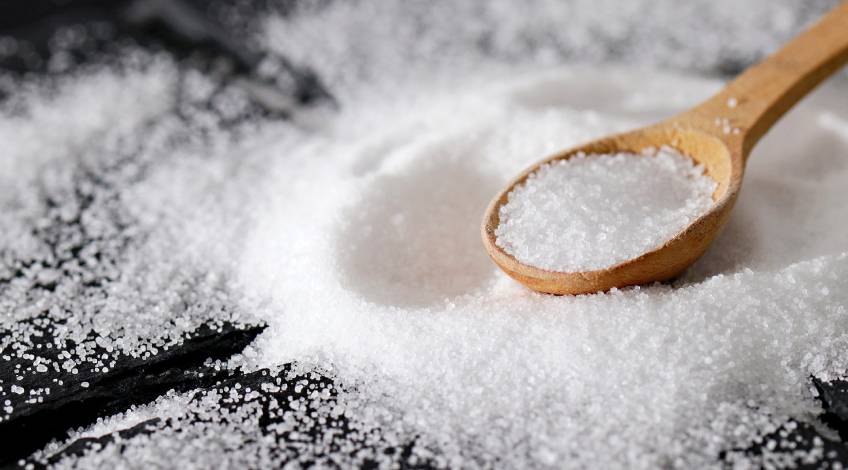
But that’s not all. Salt also has antibacterial properties, which means it helps kill off some of the bacteria causing those nasty smells. When you combine salt with hot water, it creates a mild cleaning solution that can break down grease and grime.
The best part? Salt is completely safe for your pipes. Unlike harsh chemicals that can corrode metal or damage plastic over time, salt won’t harm your plumbing system. It’s been used for centuries as a natural preservative and cleaning agent, and it works just as brilliantly today!
How To Use Salt For A Basic Drain Treatment
Ready to give this a go? Here’s the simplest way to use salt to freshen up your drains.
Start by removing any visible debris from your plughole. Nobody likes this job, but it makes a huge difference! Pull out any hair, food bits or general gunk that’s accumulated around the drain opening.
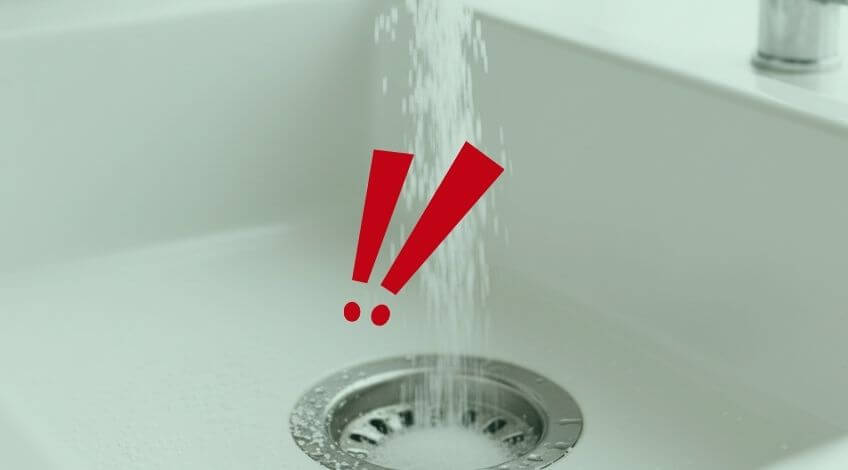
Next, pour about half a cup of salt directly down the drain. Don’t worry about measuring it precisely, roughly half a cup is fine. Use regular table salt or coarse sea salt, either works brilliantly.
Now here’s the important bit: boil a kettle full of water. Once it’s properly boiling, carefully pour it down the drain in one steady stream. The hot water activates the salt and helps flush everything through your pipes.
Let it sit for a few minutes, then run your cold tap for about 30 seconds to rinse everything through. You should notice the water draining more freely, and any unpleasant smells should be significantly reduced.
For best results, do this once a week. It takes less than five minutes and can prevent bigger problems from developing!
The Salt And Bicarbonate Of Soda Power Combo
If you’re dealing with a particularly stubborn drain or you want an even more effective treatment, try combining salt with bicarbonate of soda. This dynamic duo creates a cleaning reaction that’s surprisingly powerful!
Pour half a cup of salt down the drain, followed by half a cup of bicarbonate of soda. Let this sit for about 10 to 15 minutes. During this time, the two ingredients start working together to break down grease and grime.
After the waiting period, pour a kettle of boiling water down the drain. You might hear some fizzing and bubbling, that’s completely normal! It means the treatment is working its way through the buildup in your pipes.
This method is particularly good for kitchen sinks where grease tends to accumulate. The salt provides the abrasive action, whilst the bicarbonate of soda helps neutralise odours and break down organic matter.
Many people who’ve tried this combination say their drains haven’t smelled or drained this well in years! It’s one of those cleaning tricks that seems too simple to work, but it genuinely does.
The Ultimate Triple Threat Treatment
Want to take things up another notch? Add white vinegar to the mix for the ultimate drain cleaning treatment.
What You’ll Need
You’ll need half a cup of salt, half a cup of bicarbonate of soda, and one cup of white vinegar. You probably have all these ingredients in your kitchen cupboard already!
How To Apply The Treatment
Start with half a cup of salt, then add half a cup of bicarbonate of soda. Pour these down the drain and let them sit for a few minutes. Then, pour in one cup of white vinegar. You’ll immediately see and hear fizzing as the vinegar reacts with the bicarbonate of soda.
This fizzing action is brilliant for breaking up stubborn blockages and cleaning the sides of your pipes. Let it fizz and bubble for about 30 minutes. If you’ve got a plug, pop it in the drain to keep the reaction contained in your pipes where it can work its magic.
After 30 minutes, flush everything away with boiling water. Your drain should be flowing freely and smelling fresh!
When To Use This Method
This treatment is perfect for monthly deep cleans. It’s like giving your drains a proper spa day, getting rid of all the accumulated gunk and leaving them in tip top condition.
Preventing Drain Problems Before They Start
Using salt regularly is great, but you can make your life even easier by preventing problems in the first place. Here are some simple habits that’ll keep your drains happy.
Never Pour Grease Down The Sink
Never pour cooking fat or oil down your sink. This is one of the biggest causes of blocked drains! The grease solidifies as it cools, coating your pipes and trapping other debris. Instead, let it cool in a container and bin it.
Use A Sink Strainer
Use a sink strainer to catch food particles before they go down the drain. These cost just a couple of quid and can save you from major headaches later. Empty the strainer into your food waste bin after each washing up session.
Run Hot Water After Each Use
Run hot water down your drain after each use. This helps flush away any soap residue or small particles before they have a chance to build up. Just 15 to 20 seconds of hot water can make a real difference.
Install Drain Guards For Hair
If you’ve got long hair, consider using a drain guard in your bathroom sink and shower. Hair is one of the main culprits for bathroom drain blockages, and these guards catch it before it becomes a problem.
Using Salt In Bathroom Drains
The salt treatment works brilliantly in bathroom sinks and showers too! In fact, it might work even better because bathroom drains typically deal with different types of buildup than kitchen sinks.
Bathroom drains accumulate soap scum, hair, toothpaste residue and personal care product buildup. Salt’s abrasive properties are perfect for tackling this kind of gunk.
For bathroom drains, you might want to do the salt treatment every two weeks rather than weekly. Bathroom drains typically don’t get as greasy as kitchen sinks, but they can still benefit from regular maintenance.
If you’re dealing with a particularly sluggish bathroom drain, try the salt, bicarbonate of soda and vinegar combo. It’s especially effective at breaking down the sticky soap scum that tends to coat bathroom pipes.
One tip specifically for bathroom drains: after your salt treatment, consider pouring a bit of mouthwash down the drain. It adds a fresh scent and has antibacterial properties that complement the salt’s cleaning action!
When Salt Might Not Be Enough
Let’s be realistic for a moment. Salt is brilliant for maintenance and mild blockages, but it’s not a miracle cure for every drain problem.
Dealing With Serious Blockages
If you’ve got a serious blockage where water isn’t draining at all, you might need to use a plunger first. The good old fashioned plunger is still one of the most effective tools for shifting stubborn blockages. Once you’ve cleared the major blockage, the salt treatment can help keep things flowing smoothly.
Removing Hair Clogs
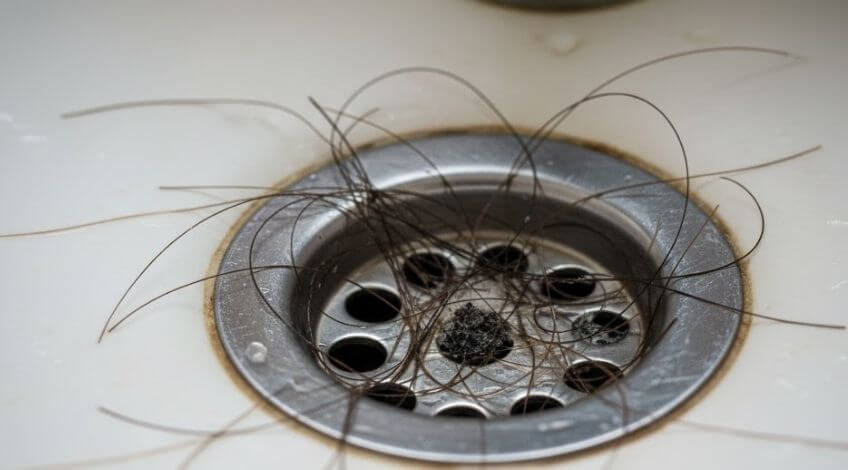
For hair clogs in bathroom drains, you might need to physically remove the hair first. You can buy drain cleaning tools (sometimes called drain snakes or zip tools) for just a few pounds. These have little hooks that grab onto hair and pull it out. It’s not the most pleasant job, but it’s incredibly effective!
When To Call A Professional
If you’ve tried everything and your drain is still blocked or smelling awful, it might be time to call a plumber. Some problems, like damaged pipes or serious buildup deep in your drainage system, need professional attention. The salt treatments are fantastic for prevention and minor issues, but they’re not a replacement for professional help when you really need it.
How Much Money You’ll Save With This Trick
Let’s talk about the financial side of things, because this is where the salt trick really shines!
A large container of table salt costs around £1 and will give you enough for multiple treatments. Compare that to chemical drain cleaners that can cost £5 to £10 per bottle, and you’ll only get a few uses out of them.
If you prevent just one serious blockage per year by using regular salt treatments, you’ve potentially saved yourself £50 to £150 in plumber’s fees. That’s a pretty good return on investment for a quid’s worth of salt!
Plus, you’re not buying harsh chemicals that come in single use plastic bottles. You’re using a natural product that’s probably already in your kitchen cupboard. It’s better for your wallet, better for the environment and better for your pipes.
Many people who’ve switched to this method say they haven’t bought a chemical drain cleaner in years. They stick with their weekly salt routine and haven’t had a serious drain problem since!
Transform Your Drains With Just One Simple Ingredient
Who knew that something as simple as salt could make such a difference to your drains? This little trick has saved countless people from expensive plumber visits and has kept their homes smelling fresh and clean.
The beauty of this method is its simplicity. You don’t need special equipment, you don’t need to follow complicated instructions and you definitely don’t need to spend a fortune. Just salt, hot water and a few minutes of your time once a week.
Whether you’re battling slow drains, unpleasant smells or just want to prevent problems before they start, the salt treatment is worth trying. It’s one of those household hacks that sounds almost too simple to work, but it genuinely does!
Give it a go this week and see for yourself. Your drains (and your wallet) will thank you!
If you found this tip helpful, share it with your mates on Facebook or pin it for later!
SEE ALSO: Why You Should Always Clean Your Washing Machine Door Seal (You’ll Be Grossed Out!)
Also, follow us on Pinterest ...