Soap Scum Comes Back Fast? Here’s How to Stop It for Good
If you’ve ever spent your Saturday morning scrubbing soap scum off your shower doors only to find it creeping back by Wednesday, you’re definitely not imagining things. That chalky, stubborn film seems to have a mind of its own, returning faster than you can say “squeaky clean.”
The frustrating truth is that soap scum forms every single time you shower, but here’s the good news: you can actually stop it from taking over your bathroom surfaces. With the right prevention techniques and clever cleaning strategies, you’ll finally break free from that endless cycle of scrubbing.
These methods will transform your cleaning routine from a weekly battle into simple maintenance that keeps your glass doors and tiles looking crystal clear.
Why Soap Scum Returns So Quickly
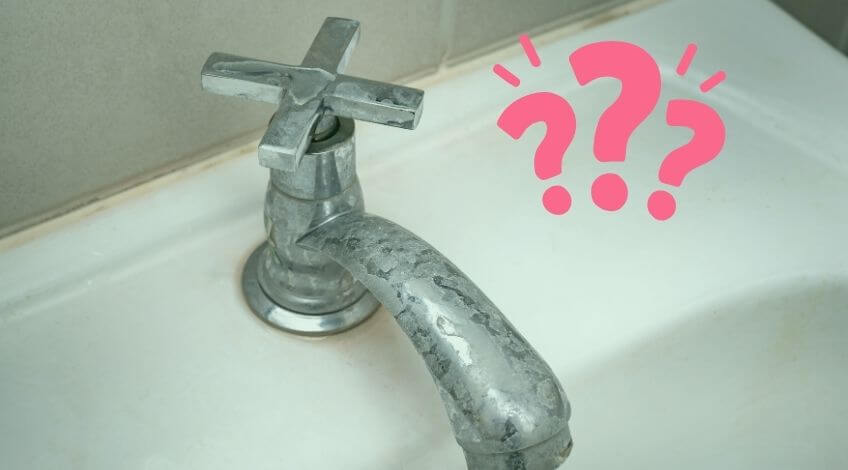
Let’s get one thing straight: soap scum isn’t just about dirty habits. This white, chalky residue forms when soap mixes with the minerals in your water, particularly calcium and magnesium. If you live in a hard water area, you’re fighting an uphill battle from the start.
Every time you lather up in the shower, you’re creating the perfect conditions for soap scum formation. The soap residue combines with these minerals, plus dead skin cells and body oils, creating a sticky mixture that bonds to every surface it touches. Glass shower doors, tiles, taps, and even your shower tray become prime real estate for this stubborn buildup.
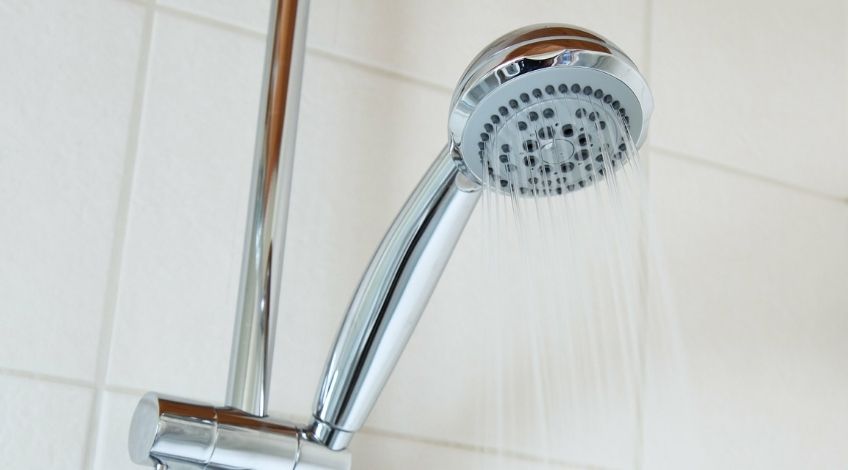
The reason it comes back so fast? You’re essentially creating new soap scum every single day. Unless you take preventive action, you’re stuck in an endless loop of scrubbing the same surfaces over and over again.
The Prevention Strategy That Actually Works
Here’s what most people get wrong: they focus on removing soap scum instead of preventing it. The secret to stopping soap scum for good lies in understanding that prevention is infinitely easier than removal.
The most effective strategy is creating a barrier that prevents soap and minerals from bonding to your surfaces in the first place. This means changing how water behaves on your shower doors and tiles, making it bead up and roll off instead of sitting there and evaporating into those telltale white marks.
Switch Your Soap Type For Instant Results
This might be the easiest change you’ll ever make, but it’s also one of the most effective. Bar soap is soap scum’s best friend. The ingredients in traditional bar soap are designed to stick, which is exactly what you don’t want on your bathroom surfaces.
Switch to liquid body wash or shower gel instead. These formulations contain fewer minerals and create less residue when they mix with hard water. You’ll notice a dramatic reduction in soap scum buildup almost immediately.
If you’re attached to your favourite bar soap, at least try using it for handwashing only and switch to liquid products for showering. Your future self will thank you when cleaning day rolls around!
Create A Water Repelling Shield On Glass Surfaces
This technique is a game changer for anyone tired of constantly scrubbing shower doors. Apply a water repellent product like Rain X to your glass surfaces once a month. Originally designed for car windscreens, this product works brilliantly on shower doors.
Clean your glass thoroughly first, then apply the Rain X according to the package directions. The treatment causes water to bead up and slide right off the glass instead of sitting there and forming those stubborn mineral deposits.
For best results, apply this treatment to completely dry glass and buff it to a clear finish. You’ll be amazed at how much easier it becomes to keep your shower doors sparkling clean.
The Daily Squeegee Habit That Changes Everything
It might sound like extra work, but spending 30 seconds with a squeegee after each shower will save you hours of scrubbing later. Water that doesn’t sit on surfaces can’t form soap scum. It’s really that simple.
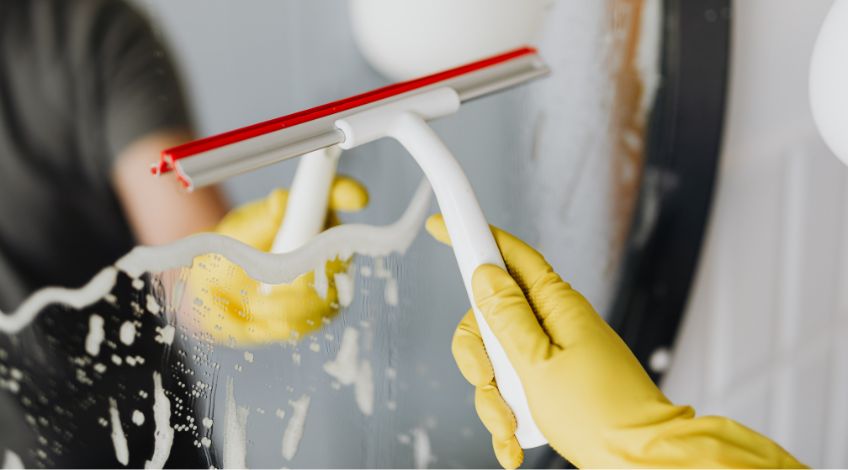
Keep a good quality squeegee hanging in your shower and make it part of your routine. Start at the top of each glass panel and work your way down in smooth, overlapping strokes. Pay special attention to the corners where water tends to collect.
For those who find daily squegeeing unrealistic, aim for every other day or at least after every shower during the week. Even this reduced schedule will dramatically cut down on soap scum formation.
Ventilation Is Your Secret Weapon
Poor ventilation creates the perfect conditions for soap scum to thrive. Humid air allows water droplets to sit on surfaces longer, giving minerals more time to bond and create that stubborn film you hate scrubbing.
Turn on your bathroom fan before you start showering and leave it running for at least 30 minutes after you finish. If you don’t have an extractor fan, crack a window or leave the bathroom door open to encourage air circulation.
Consider upgrading to a more powerful extractor fan if your current one seems ineffective. The investment will pay off in reduced cleaning time and better air quality in your bathroom.
The Weekly Vinegar Spray Routine
Even with the best prevention, you’ll need some maintenance to keep soap scum at bay. Create a simple spray using equal parts white vinegar and water and use it once a week on all your shower surfaces.
The mild acid in vinegar dissolves mineral deposits before they can build up into thick, stubborn layers. Spray it on after your weekly deep clean and let it sit for a few minutes before rinsing. This prevents the microscopic buildup that eventually becomes visible soap scum.
For an extra boost, add a few drops of washing up liquid to your vinegar solution. The soap helps the mixture cling to vertical surfaces and provides additional cleaning power.
Target Problem Areas With Strategic Cleaning
Certain spots in your shower are soap scum magnets, and these need special attention. The corners where walls meet, the bottom of glass doors, and areas around taps tend to accumulate buildup faster than other surfaces.
Focus your prevention efforts on these high risk areas. Give them an extra wipe after each shower, and apply your weekly vinegar treatment more generously here. It’s much easier to prevent buildup in these tricky spots than to remove it later.
Consider using a daily shower spray specifically designed to prevent soap scum on these problem areas. Many commercial products are formulated to break the cycle of mineral accumulation.
The Hard Water Solution
If you live in an area with particularly hard water, you might need to think bigger. Installing a water softener system removes the minerals that cause soap scum before they ever reach your shower.
This is a more significant investment, but it will transform your entire cleaning routine. Not only will you see less soap scum, but you’ll also notice improvements in how your skin and hair feel, plus your appliances will last longer.
If a full water softener isn’t in your budget, consider a shower filter. These smaller units attach directly to your shower head and remove some of the minerals that contribute to soap scum formation.
Your Soap Scum Free Future Starts Today
The key to stopping soap scum for good isn’t about finding the perfect cleaning product or spending hours scrubbing. It’s about understanding how soap scum forms and implementing simple prevention strategies that break the cycle before it starts.
Within a few weeks, you’ll notice that your shower stays cleaner longer, your glass doors maintain their sparkle, and that dreaded soap scum becomes a thing of the past. Your bathroom will finally become the relaxing space it’s meant to be, instead of a constant reminder of cleaning tasks.
Ready to share these game changing tips with someone who’s been fighting the same soap scum battle? Send this article to your family group chat or share it on Facebook. Because nobody should have to spend their weekends scrubbing the same surfaces over and over again!
SEE ALSO: Grandma Was Right! This Easy Trick Keeps Silver Looking Brand New
Also, follow us on Pinterest ...