
The Best Way To Store Blankets So They Don’t Go Musty
Let’s be honest: there’s nothing worse than pulling out your favourite throw blanket only to be hit with that damp, musty smell that makes you want to shove it straight back into storage. Whether you’re swapping out your winter bedding for summer sheets or just trying to maximise space in your flat, knowing how to store blankets properly is a total game changer.
If you’re prepping for seasonal wardrobe swaps or desperately need compact storage ideas that actually work, you’re in the right place. We’re about to show you the best ways to keep your blankets fresh, fluffy and completely musty free, no matter how long they’re tucked away.
Ready to transform your storage game? Let’s get into it!
Why Do Blankets Go Musty In Storage?
Before we tackle the solutions, let’s quickly understand what’s actually happening when your blankets develop that horrible musty smell.
That unpleasant odour comes from mould and mildew growth, which thrive in damp, dark environments with poor air circulation. When you fold up a blanket that hasn’t been properly cleaned or dried, or store it somewhere humid without proper ventilation, you’re basically creating a five star hotel for mould spores.
Moisture is the real enemy here. Even a tiny bit of dampness trapped in fabric fibres can lead to mould growth over time. This is why blankets stored in basements, lofts, or under beds often come out smelling worse than when they went in!
Clean Your Blankets Before Storing Them
This might sound obvious, but you’d be surprised how many people skip this crucial step! Storing dirty blankets is asking for trouble.
Even if your blankets look clean, they’ve been collecting body oils, dead skin cells, dust and all sorts of microscopic nasties throughout the season. These organic materials are basically food for mould and mildew, and they’ll happily munch away while your blankets are in storage.

Give each blanket a proper wash before packing it away. Check the care labels first: some materials like wool or delicate throws need special treatment, while others can go straight in the washing machine. For machine washable blankets, use a gentle cycle with mild detergent. Avoid fabric softener, as it can leave residue that attracts moisture.
Here’s the really important bit: make absolutely certain your blankets are bone dry before storing them. We’re talking completely, 100% dry, not just mostly dry. Hang them outside on a sunny day if possible or tumble dry on low heat. Even a slightly damp blanket will develop that musty smell in storage.
For extra peace of mind, leave freshly washed blankets out for a full day before packing them away. Better safe than sorry!
Choose The Right Storage Location
Where you store your blankets matters just as much as how you store them.
Your ideal storage spot should be cool, dry and have decent air circulation. Unfortunately, this rules out several popular storage locations that seem convenient but are actually terrible for blankets.
Basements and cellars are often too damp, even if they don’t feel obviously wet. The moisture in the air is enough to cause problems over time. Similarly, lofts can experience temperature extremes and poor ventilation, especially in older homes.
Under bed storage can work, but only if your bedroom isn’t humid and you’re using proper breathable storage containers. Avoid storing blankets directly on the floor, as this can trap moisture underneath.
The best spots? Bedroom wardrobes, hall cupboards or dedicated linen storage in well ventilated areas of your home. Basically, anywhere that stays relatively dry and doesn’t get too hot or cold.
If you’re stuck with less than ideal storage locations, don’t worry! The other tips in this article will help you work around it.
Use Breathable Storage Bags Or Containers
This is where many people go wrong: they use plastic bins or vacuum sealed bags thinking they’re protecting their blankets, when actually they’re creating the perfect environment for mustiness.
Plastic containers trap moisture inside and vacuum sealed bags compress the fibres so much that air can’t circulate at all. Both scenarios lead to that dreaded musty smell.
Instead, go for breathable storage solutions. Cotton storage bags are brilliant because they allow air to flow through while still protecting blankets from dust and pests. You can find these in various sizes at most home stores, or even make your own from old cotton pillowcases or sheets.
Canvas storage boxes with lids are another excellent option. They’re sturdy enough to stack, keep dust out and still allow air circulation. Plus, they look much nicer than plastic bins if you’re storing things in visible areas.
For those who need to save serious space, you can still use vacuum bags, but with a twist: don’t seal them completely airtight. Leave a small gap or open them every few months to let fresh air in. This gives you the space saving benefits without the mustiness.
Whatever you choose, make sure it’s clean and completely dry before putting your blankets inside. A musty storage container will transfer that smell straight to your freshly washed blankets!
Add Natural Moisture Absorbers
Even with the best storage location and breathable containers, a little extra protection never hurts.
Natural moisture absorbers work brilliantly to keep the environment inside your storage bags or boxes dry and fresh. The best part? You probably already have some of these things at home!
Silica gel packets are champions at absorbing moisture. You know those little packets that come with new shoes or electronics? Save them! Pop a few into your blanket storage to keep things dry. You can also buy food safe silica gel packets in bulk online for very little money.
Cedar blocks or cedar balls are another fantastic option. Not only do they absorb moisture, but they also repel moths and other insects that love to munch on natural fibres. Plus, they leave your blankets with a lovely, fresh scent. Just make sure you’re using real cedar, not synthetic cedar scented products.
Baking soda is your budget friendly hero here. Fill small fabric pouches or even clean socks with baking soda, tie them closed, and tuck them into your storage containers. Baking soda naturally absorbs both moisture and odours, keeping everything fresh.
Replace these moisture absorbers every few months for best results. Silica gel can often be recharged by heating it in the oven (check the packet instructions), making it a reusable option.
Avoid Folding Them Too Tightly
Here’s something most people don’t realise: how you fold your blankets affects whether they’ll go musty.
Folding blankets into tight, compact bundles might save space, but it also compresses the fibres so much that air can’t circulate through the layers. This trapped air can hold moisture, leading to, you guessed it, mustiness.
Instead, fold your blankets loosely. Think of it as giving them room to breathe. You want the folds to be neat enough for storage but not so tight that you’re squashing all the air out.
For larger blankets or duvets, try rolling them instead of folding. Rolling creates a more open structure that allows better air circulation. It’s also easier on the fabric and helps prevent permanent creases.
If you’ve got the space, hanging blankets is actually the absolute best option. Use padded hangers or a blanket ladder in a wardrobe or cupboard. This keeps the blankets fully aired and prevents any compression at all.
For those working with limited space, at least rotate your blankets every month or so. Take them out, give them a good shake, refold them differently, and put them back. This simple step can make a huge difference in keeping them fresh.
Keep Storage Areas Well Ventilated
Good ventilation is your secret weapon against mustiness, yet it’s something many people overlook entirely.
Even if you’re using breathable storage containers and moisture absorbers, the space around your stored blankets needs air flow too. Stagnant air is moisture’s best friend, and we definitely don’t want that friendship blossoming in our storage areas!
If you’re storing blankets in a wardrobe or cupboard, avoid packing it completely full. Leave some space between items so air can circulate around them. Consider leaving the door slightly ajar occasionally, especially on dry days, to let fresh air in.
For under bed storage, make sure there’s adequate clearance between the floor and your bed frame. If your bed sits directly on the floor or very low to it, this storage spot probably isn’t ideal for blankets.
A simple trick: place your storage containers on small risers or even upside down plastic plant pot saucers. This creates a tiny gap underneath for air to flow, which can genuinely help prevent moisture buildup.
In storage rooms or spare bedrooms, open the windows regularly to let fresh air circulate through the space. Even just 15 minutes once a week can make a massive difference to air quality and moisture levels.
If you’re dealing with a particularly damp area, consider using a dehumidifier. They’re not expensive to run, and they’ll keep the humidity levels in check throughout your home, not just in storage areas.
Choose Storage Solutions For Small Spaces
If you’re working with a tiny flat or limited storage space, you might feel like you’re fighting a losing battle. But compact doesn’t mean compromising on keeping your blankets fresh!
Vacuum storage bags can work for small spaces, but remember what we said earlier: don’t seal them completely airtight. Leave a tiny opening or use bags with mesh panels designed for this purpose. This gives you major space savings while still allowing some air circulation.
Slim under bed storage boxes are perfect for flats. Look for ones specifically designed to be shallow and wide, which maximise that often wasted space under your bed. Just make sure they’re breathable, canvas or fabric options rather than solid plastic.
Over door organisers aren’t just for shoes! Some designs work brilliantly for storing folded blankets or throws. This uses vertical space you probably weren’t using anyway and keeps blankets easily accessible.
Ottoman storage benches are genius for small spaces. They give you somewhere to sit, store your blankets inside, and because you’re opening them regularly, the blankets get natural air circulation. Look for ones with small ventilation holes or fabric exteriors.
Wall mounted blanket ladders look stylish and keep blankets aired and ready to use. They’re particularly good for throws and lighter blankets you might want to grab quickly for an evening on the sofa.
The key for small space storage is to get creative and think vertically. Just because you don’t have a massive linen cupboard doesn’t mean you can’t store blankets properly!
What To Do If Your Blankets Already Smell Musty
Right, so you’ve pulled out your blankets and they already smell musty. Don’t panic! This is totally fixable.
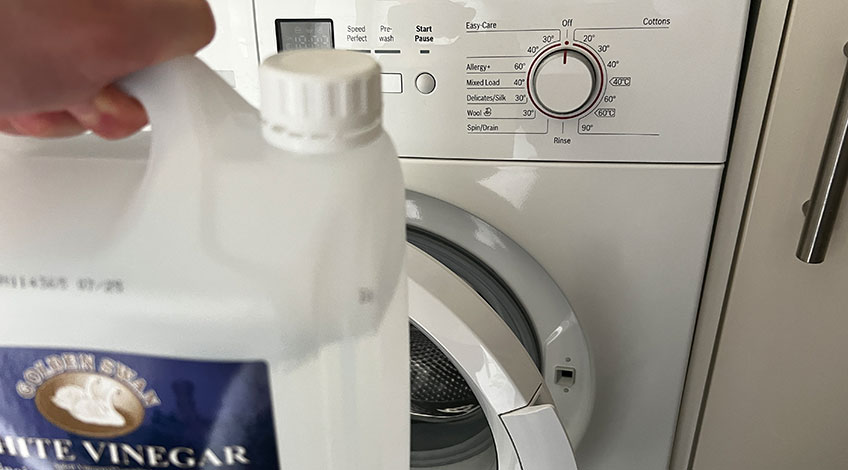
First, give them a thorough wash with your regular detergent. Add a cup of white vinegar to the rinse cycle: this helps neutralise odours without leaving any vinegar smell behind. The acidity breaks down the compounds that cause that musty smell.
If the smell persists after washing, try soaking the blankets in a solution of warm water and bicarbonate of soda for about an hour before washing again. Use about half a cup of bicarbonate of soda per bath of water. This natural deodoriser works wonders on stubborn smells.
For blankets that can’t be machine washed, hang them outside on a sunny, breezy day. Sunlight and fresh air are surprisingly effective at eliminating musty odours naturally. UV rays from the sun actually kill mould spores and bacteria that cause the smell.
Steam cleaning is another brilliant option for delicate blankets. You can hire a steam cleaner or even use a handheld garment steamer to treat the affected areas. The high temperature kills mould spores while refreshing the fabric.
Once you’ve got the smell out, make absolutely sure the blankets are completely dry before storing them again. And this time, use the proper storage methods we’ve covered to prevent the problem from coming back!
Store Your Blankets Smart, Not Hard
Keeping your blankets fresh and musty free isn’t complicated, it just requires a bit of know how and the right approach. Clean them properly before storage, choose breathable containers, pick a good storage location and add some natural moisture absorbers. That’s genuinely all it takes!
The best part? Once you’ve got your system sorted, it becomes second nature. You’ll never have to deal with musty smelling blankets again and your seasonal swaps will be so much easier.
Whether you’re working with loads of storage space or trying to make the most of a tiny flat, these tips will keep your blankets in perfect condition until you need them again. Your future self will thank you when you pull out perfectly fresh blankets next season!
Found these tips helpful? Share this article with your mates on Facebook who are always complaining about musty blankets!
SEE ALSO: The Kitchen Tool That’s Secretly Ruining Your Non Stick Pans
Also, follow us on Pinterest ...