The Hidden Spot Everyone Forgets To Clean (And It’s Probably Making Your Home Smell!)
You’ve scrubbed the worktops, hoovered the floors and taken the bins out but something still smells off. Even in the cleanest homes, lingering odours can creep in from surprising places.
And chances are, there’s one forgotten spot quietly collecting grime and grease… right above your head.
If your kitchen never seems to smell truly fresh, this could be the reason. Here’s the hidden area most people forget to clean, how it affects the way your home smells and what to do about it.
Why The Top Of Your Kitchen Cupboards Smells
If your kitchen has cabinets that don’t reach the ceiling, there’s a good chance the tops are collecting dust, grease and moisture from cooking. Over time, this build up turns into a sticky film that traps dirt, absorbs odours and even attracts pests.
Because it’s out of sight, the top of the cupboard is easy to forget but it’s often one of the grimiest parts of the kitchen.
Every time you cook without an extractor fan or open window, steam and airborne grease rise up and settle there.
Then dust sticks to it, and before long you’ve got a layer of smelly sludge that’s impossible to ignore once you notice it.
If your cupboards go all the way to the ceiling, you may not have this issue but it’s worth checking the tops of tall appliances like the fridge or microwave too.
How To Check If This Is The Source Of The Smell

To check if the top of your kitchen cupboards is causing the smell, simply grab a step stool or ladder and take a look above them.
You might spot a thick layer of dust, sticky patches where grease has settled or even crumbs and old food splatters clinging to the surface.
In some cases, there may be signs of mould, mildew or pest droppings, especially if the area hasn’t been cleaned in a long time.
Try wiping it with a piece of kitchen roll. If it comes away greasy, blackened or gives off an unpleasant odour, there’s a good chance you’ve found the source of that lingering smell.
How To Clean The Top Of Kitchen Cabinets Properly
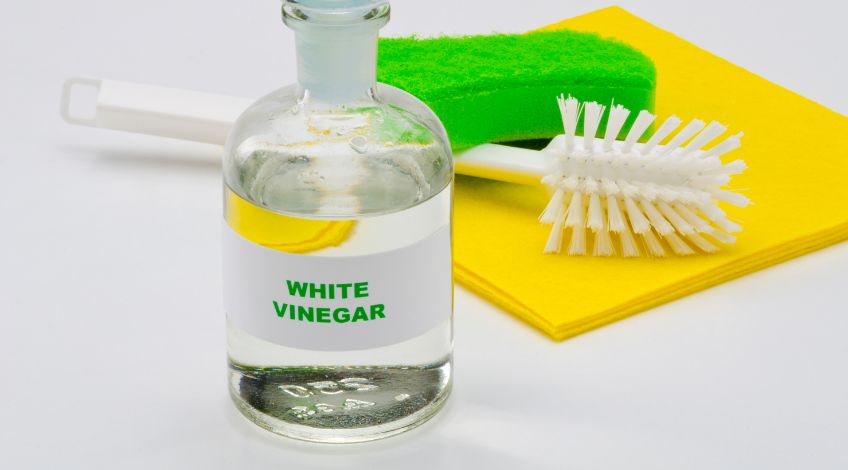
It only takes a few minutes and makes a huge difference. Here’s how to do it:
What you’ll need:
- Warm water
- Washing up liquid or white vinegar
- Microfibre cloth or sponge
- Optional: degreasing spray (for stubborn spots)
Steps:
- Dust first using a dry cloth to remove loose debris.
- Mix warm water and washing up liquid (or use white vinegar for a natural clean).
- Wipe the cupboard tops thoroughly, focusing on corners and edges.
- For really sticky grease, spray a degreaser, leave it for 2–3 minutes, then wipe again.
- Dry the area completely to prevent future mould or mustiness.
Once clean, you can line the tops with newspaper or greaseproof paper. Next time, just swap the paper instead of scrubbing.
Why This Smelly Spot Affects The Whole House
Strong smells don’t stay put. If the top of your kitchen cupboards is full of old grease and dust, the odour can spread every time the heating comes on or a breeze moves through the room.
It can also seep into soft furnishings nearby like curtains, tea towels or even your clothes especially in open plan homes.
Over time, the whole house can take on a faint, stale scent, no matter how often you mop or hoover.
Other Overlooked Smelly Areas In Homes
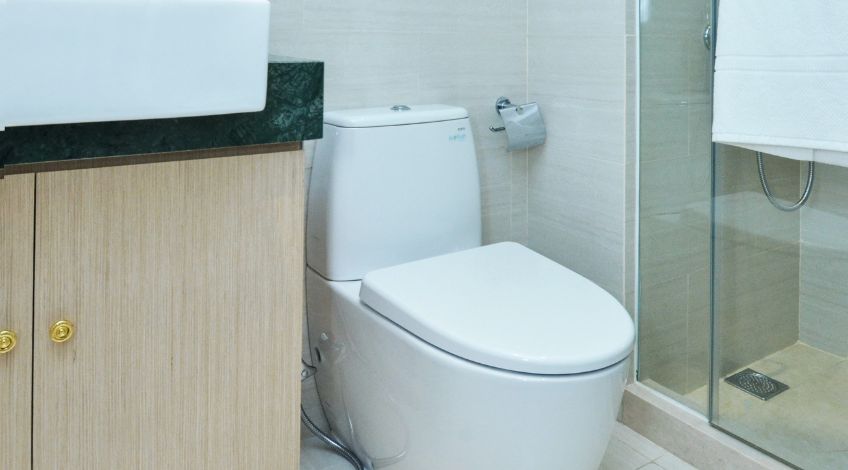
If cleaning the top of your kitchen cabinets doesn’t fully solve the problem, check these other commonly forgotten spots:
- Behind radiators
Dust and pet hair settle here and it’s often warm, making smells worse. - Underneath sofa cushions
Crumbs, spills and hidden food bits can rot over time. - Kitchen bin lid rim
Even if you empty the bin regularly, gunk under the lid can stink. - Door tracks or window sills
Mould, dead insects and dust can gather in small crevices. - Toilet brush holders
Easily missed and often the source of bathroom odours.
How To Keep Your Kitchen Smelling Fresh For Longer
Once you’ve tackled the hidden smells, it’s worth building a few simple habits into your weekly routine to keep your kitchen fresh.
Start by opening a window while cooking, even in colder months, to help let steam and strong food smells escape.
Boiling lemon slices or a splash of white vinegar on the hob is a great way to neutralise lingering odours naturally.
Make sure to wipe down splashbacks, cooker hoods and nearby walls where grease can settle, especially if you fry often.
Wash tea towels, sponges and cloths regularly, as these can trap smells surprisingly quickly.
Empty and rinse the food waste bin before it starts to pong and vacuum under units or appliances where crumbs and dust can build up unnoticed.
These small actions help prevent odours before they start and keep your kitchen feeling clean and fresh throughout the week.
Share These Cleaning Tips Before The Smell Gets Worse!
This one overlooked area could be the reason behind that lingering smell. Share these fast, low effort tips so others can freshen their homes and stay ahead of the hidden grime.
SEE ALSO: The Kitchen Tool That’s Secretly Ruining Your Non Stick Pans
Also, follow us on Pinterest ...