Think Your Laundry’s Clean? Laundry Stripping Will Prove You Wrong
If you’ve ever pulled a “clean” towel from the cupboard only to catch a whiff of that musty smell, or watched your child’s sports kit emerge from the washing machine still looking grey and dingy, you’re about to discover something that will completely change how you think about laundry.
Laundry stripping is the eye opening technique that reveals just how much hidden grime has been lurking in your supposedly clean linens all along. This isn’t just another cleaning trend: it’s a proper deep cleaning method that will have you questioning everything you thought you knew about getting clothes truly clean. Fair warning though, the murky brown water you’ll see might leave you slightly horrified about what’s been hiding in your favourite towels!
What Is Laundry Stripping?
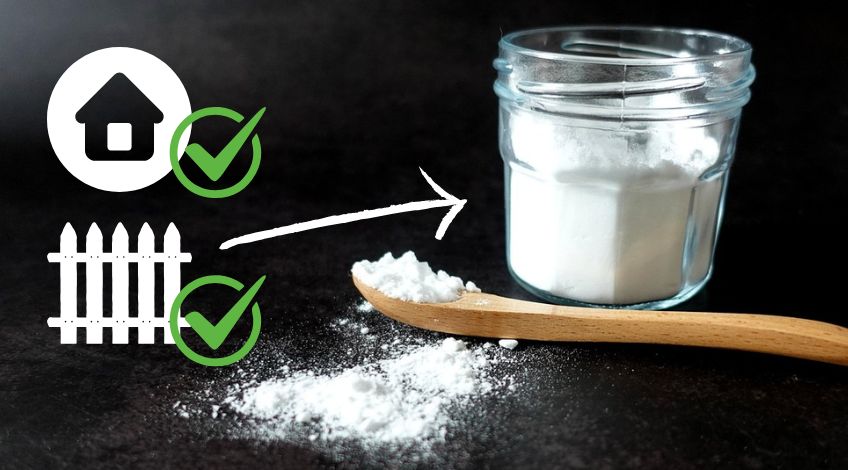
Laundry stripping is essentially a soaking method designed to deep clean your laundry in a way your regular washing machine simply can’t achieve. The process uses a powerful combination of Borax, washing soda, and laundry detergent to remove years of built up residue from fabric softener, hard water minerals, body oils, and even leftover detergent that’s been clinging to your fabrics.
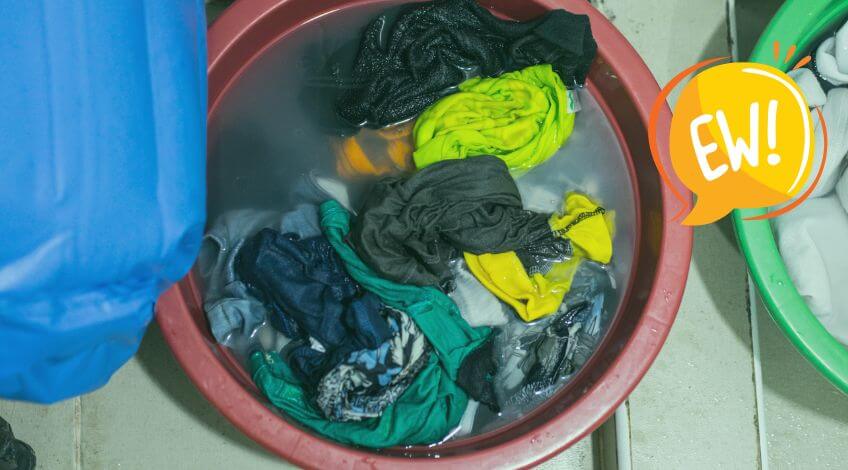
What makes this technique so oddly satisfying (and slightly stomach churning) is watching the soaking water transform from clear to a murky brown or grey colour. That discolouration? It’s all the gunk that’s been “stripped” away from your linens, proving that your washing machine has been doing a less than perfect job all along.
This method is particularly brilliant for families dealing with smelly towels that never seem to get properly fresh, children’s sports gear that retains that persistent sweaty odour, or baby clothes that need to be absolutely spotless. The deep cleaning action removes bacteria and buildup that regular washing cycles simply can’t tackle.
How To Strip Your Laundry Like A Pro
The beauty of laundry stripping lies in its simplicity. You don’t need expensive equipment or hard to find products, just a few basic household items and a bit of patience.
What You’ll Need
Essential Ingredients:
- Borax
- Washing soda (sodium carbonate)
- Laundry detergent (powder works best)
- Bathtub or large bucket
Optional But Helpful:
- Rubber gloves
- Wooden spoon or similar for stirring
Step 1: Create Your Stripping Solution
First, you’ll need a vessel large enough to accommodate the items you want to strip. Your bathtub is ideal for larger loads like towels and bedding, whilst a large bucket or washing up bowl works perfectly for smaller items like baby clothes or sports socks.
Fill your chosen container with the hottest water possible. Now for the magic formula: add one part Borax, one part washing soda, and two parts laundry detergent. For a standard bathtub, this translates to ¼ cup Borax, ¼ cup washing soda, and ½ cup detergent.
Gently stir the water until all the powders have completely dissolved. The water should feel slightly slippery to the touch, which indicates the solution is properly mixed and ready to work its magic.
Step 2: The Soaking Process
Add your clean laundry to the solution, making sure everything is completely submerged. This is crucial, any fabric sticking above the waterline won’t get the full stripping treatment. Give everything a gentle swish to ensure the solution penetrates all the fibres.
Now comes the waiting game: let everything soak for four to five hours, or until the water has cooled completely. During this time, return every hour or so to give the items a gentle stir and swish. This movement helps to loosen and release the trapped dirt and residue from deep within the fabric fibres.
Don’t be surprised if the water starts changing colour quite quickly. That murky brown or grey tinge is exactly what you want to see, it’s proof that the stripping process is working!
Step 3: The Final Rinse
Once your soaking time is complete, remove the laundry from the now disgustingly murky water. Take a moment to marvel at just how filthy that water has become, it’s genuinely shocking what comes out of supposedly clean items!
Drain the dirty water and give the bathtub a quick rinse. Now pop your stripped laundry into the washing machine for a rinse only cycle, no detergent needed. This final rinse removes any remaining stripping solution and leaves your fabrics feeling incredibly soft and genuinely clean.
Dry your laundry as you normally would, then prepare to be amazed by how fresh, soft, and absorbent everything feels!
When To Use Laundry Stripping (And When To Avoid It)
Laundry stripping works absolute wonders on certain items, but it’s not suitable for everything in your wardrobe. Understanding when and how to use this technique will help you get the best results whilst protecting your favourite garments.
Perfect Candidates For Stripping
Towels are perhaps the best items for laundry stripping, especially if they’ve lost their absorbency or developed that characteristic musty smell that lingers even after washing. Bath towels, hand towels, and tea towels all benefit enormously from this deep cleaning treatment.
Bedding is another excellent choice, particularly if your sheets have started looking a bit grey or dingy despite regular washing. The stripping process removes the buildup of body oils, dead skin cells, and detergent residue that can make even freshly laundered sheets feel less than fresh.
Children’s sports kit is where laundry stripping truly shines. Football shirts, rugby shorts, and training gear often retain odours and stains that regular washing can’t shift. The deep cleaning action removes the bacteria and sweat buildup that causes persistent smells.
Baby clothes and cloth nappies benefit hugely from occasional stripping, as it removes any detergent buildup that might irritate sensitive skin whilst ensuring everything is genuinely hygienic.
Items To Avoid
Coloured fabrics need careful consideration, as the stripping process can cause dyes to run or fade. If you’re determined to strip coloured items, test a small, hidden area first and consider separating colours carefully.
Delicate fabrics like lace, silk, embroidered items, or anything with decorative elements should be kept well away from the stripping process. The combination of hot water and strong cleaning agents can damage these special pieces.
Regular clothing generally doesn’t need stripping unless there’s a specific issue. The process is quite intensive and isn’t necessary for everyday garments that are getting properly clean in your regular wash.
Always check care labels before beginning the stripping process. Items that require cool water washing or gentle treatment aren’t suitable candidates for this hot water intensive method.
Why Your Washing Machine Isn’t Getting Everything Clean
Understanding why laundry stripping is so effective requires a bit of knowledge about what’s actually happening in your washing machine on a daily basis. Even the best washing machines have limitations that can lead to buildup over time.
- Detergent residue is one of the biggest culprits. Modern detergents are incredibly effective, but they can leave behind traces that accumulate over multiple washes. This buildup not only makes fabrics feel stiff and look dull, but it can also trap other particles and odours.
- Hard water minerals present another challenge, particularly in areas with high mineral content in the water supply. These minerals can bind to fabric fibres, creating a layer that prevents proper cleaning and makes towels feel scratchy and less absorbent.
- Fabric softener buildup might seem counterintuitive, but using too much fabric softener or using it too frequently can create a waxy coating on fabrics. This coating reduces absorbency in towels and can trap bacteria and odours.
- Body oils and dead skin cells penetrate deep into fabric fibres, particularly in items like bedding and towels that come into direct contact with skin. Regular washing can remove surface soil, but these deeper contaminants often remain embedded in the fabric.
The combination of these factors explains why items can emerge from the washing machine technically clean but still carrying traces of buildup that affect their appearance, feel, and smell.
Transform Your Laundry Routine Forever
Once you’ve experienced the shocking revelation of laundry stripping, you’ll never look at your washing machine the same way again.
Remember, this isn’t about replacing your normal laundry routine, it’s about enhancing it with an occasional deep clean that keeps your fabrics performing at their best. Most items only need stripping every few months, making it a manageable addition to your household maintenance routine!
Ready to discover what’s been hiding in your supposedly clean laundry? Share this article with anyone who’s ever complained about smelly towels or dingy looking bedding. Sometimes the most satisfying cleaning revelations are best shared with friends who’ll appreciate the shocking results as much as you do!
SEE ALSO: Can You Keep Refreezing Meat? The Answer Will Surprise You!
Also, follow us on Pinterest ...