Is Your Washing Machine Drawer Full Of Gunk? Here’s The Right Way To Clean It
If you’re someone who runs load after load of laundry, you’ve probably noticed something grim: that detergent drawer in your washing machine is absolutely caked with slimy, crusty residue. It’s not just unpleasant to look at, it’s actually affecting how well your clothes get cleaned.
That build up isn’t just sitting there looking nasty: it’s harbouring bacteria, causing your detergent to work less effectively, and potentially leaving marks on your freshly washed clothes. But here’s the good news: cleaning that drawer is simpler than you think, and doing it regularly will transform your laundry routine!
Why Your Detergent Drawer Gets So Disgusting
Every time you pour liquid detergent or fabric softener into that drawer, a tiny bit stays behind. This residue mixes with water, dust and minerals from your tap water to create the perfect environment for mould and bacteria to thrive. The drawer stays damp between washes, which makes things even worse.
If you’re doing multiple loads every day (hello, families with kids or anyone with particularly messy hobbies), that build up happens faster than you’d imagine. Before you know it, you’ve got a sticky, smelly mess that’s definitely not helping your laundry situation.
The worst part? That gunk can actually block the water flow, meaning your detergent isn’t getting properly dispensed into your wash. So you’re essentially wasting product and your clothes aren’t getting as clean as they should be. Frustrating, right?
How To Clean Your Washing Machine Detergent Drawer Properly
Right, let’s sort this out once and for all. Here’s exactly how to get that drawer sparkling clean again.
Remove The Drawer Completely
First things first: you need to get that drawer out of the machine. Most detergent drawers have a release button or tab that you press when pulling the drawer forward. Check your washing machine’s manual if you’re not sure, but typically you’ll find a small button or lever in the centre of the drawer.
Pull it out completely and take it to your sink or bathtub. This is going to get messy, so don’t try to clean it when it’s still in the machine!
Soak It In Hot Water And White Vinegar
Fill your sink or a large basin with hot water (as hot as you can get from the tap) and add about 250ml of white vinegar. Pop the drawer in and let it soak for at least 30 minutes. For really stubborn build up, leave it for an hour or even overnight.
The hot water loosens the gunk and the vinegar’s acidic properties break down detergent residue and kill bacteria. This combination is brilliant because it’s effective but not harsh, you don’t need any scary chemicals for this job.
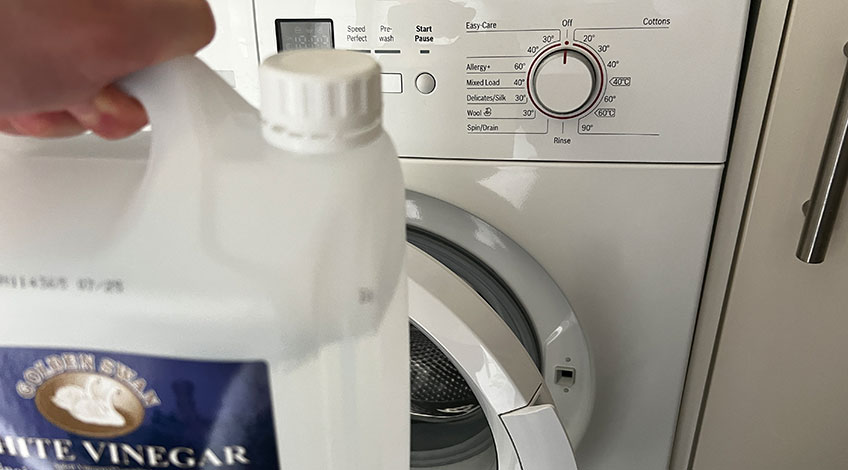
As the drawer is soaking, you’ll probably notice bits of gunk starting to float off. That’s exactly what you want to see!
Scrub Away The Remaining Residue
After soaking, grab an old toothbrush or a small cleaning brush and get scrubbing. Pay special attention to all those little compartments and corners where residue loves to hide.
For those really stubborn bits that won’t budge, make a paste with bicarbonate of soda and a bit of water. Apply it to the problem areas and scrub in circular motions. The gentle abrasiveness of the bicarbonate of soda will shift even the most stubborn gunk without scratching the plastic.
Don’t forget the siphon caps (those little blue or white plastic bits that often sit in the fabric softener compartment). These get absolutely filthy and are often overlooked. Pull them out and give them a proper scrub too.
Clean The Drawer Housing
Here’s something most people forget: the slot where the drawer sits gets just as gunky as the drawer itself! Now that your drawer is out and soaking, use a damp cloth or sponge to wipe down the inside of the housing.
You might need to use that toothbrush again to get into the water jets and small crevices. Spray some white vinegar directly into the housing and let it sit for a few minutes before wiping it clean.
A handy trick here is to use a pipe cleaner or an old mascara wand (cleaned thoroughly first, obviously) to reach into those narrow water inlet holes. You’d be amazed at what comes out!
Rinse And Dry Thoroughly
Once everything is scrubbed clean, rinse the drawer under running water to remove any remaining vinegar, bicarbonate of soda, or loosened gunk. Make sure all the compartments are completely clear.
Here’s the crucial bit that many people skip: dry everything thoroughly before putting it back. Use a clean towel to dry the drawer, then leave it out for about 30 minutes to air dry completely. Wipe down the housing inside the machine as well.
Putting a wet drawer back into a damp housing is just asking for mould to return quickly. Taking a few extra minutes to ensure everything is bone dry will keep your drawer cleaner for much longer.
Keeping Your Detergent Drawer Clean Between Deep Cleans
Now that you’ve done all that work to get your drawer sparkling, let’s make sure it stays that way! Here are some simple habits that will prevent that gunk from building up again quite so quickly.
Leave The Drawer Open After Each Wash
This is probably the easiest prevention tip of all. After you’ve finished your laundry for the day, pull the drawer open slightly and leave it that way. This allows air to circulate and helps everything dry out properly between uses.
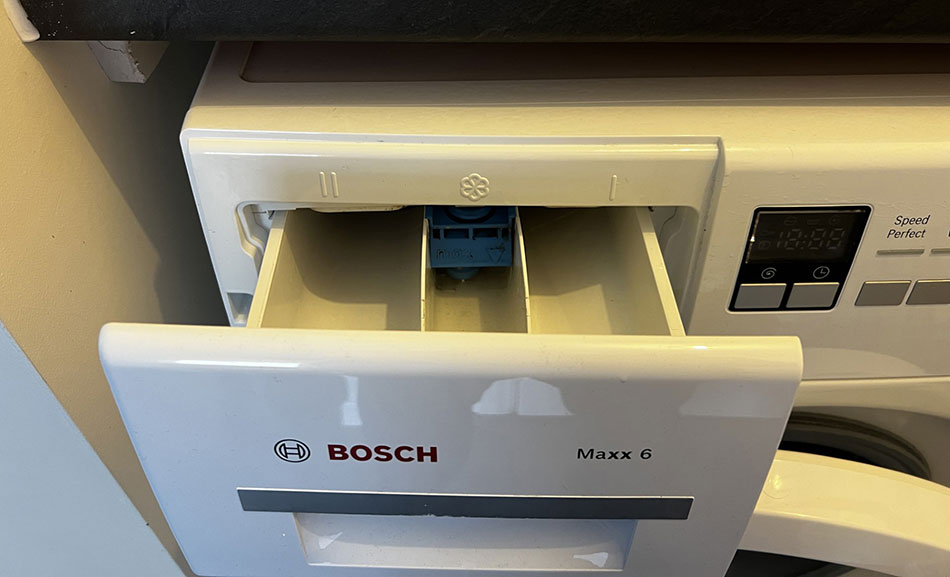
Mould and bacteria need moisture to thrive, so keeping things dry is your best defence. It takes literally two seconds and makes a massive difference.
Wipe It Down Weekly
Once a week, take a damp cloth and give the drawer a quick wipe. This removes any fresh residue before it has a chance to harden and become a problem. If you do this regularly, you’ll barely need to do those intensive deep cleans.
Think of it like wiping down your kitchen counters: a quick daily clean is much easier than scrubbing off weeks of built up mess.
Use The Right Amount Of Detergent
Are you guilty of thinking more detergent means cleaner clothes? You’re not alone, but it’s actually making things worse! Using too much detergent is one of the main reasons for that slimy build up.
Modern detergents are concentrated, which means you need less than you think. Check the bottle’s instructions and measure properly. Not only will this reduce drawer gunk, but you’ll also save money on detergent and your clothes will actually rinse cleaner.
Consider Switching To Pods Or Dosing Balls
If you’re constantly battling with drawer build up, washing machine pods might be your answer. They go straight into the drum, which means they bypass the drawer entirely. No contact with the drawer means no residue left behind!
Another option is using a dosing ball for liquid detergent. You fill the ball with your liquid detergent and toss it directly into the drum with your clothes. This works brilliantly because, again, you’re not using the drawer at all.
Both methods will dramatically reduce how often you need to deep clean that drawer. Plus, pods and dosing balls help you use the exact right amount of detergent every time, no guessing or over pouring.
Run A Maintenance Wash Monthly
Once a month, run your washing machine empty on the hottest cycle with just white vinegar (no detergent). Use about 500ml poured directly into the drum. This cleans out the entire machine, including any residue that might be lurking in pipes and around the drawer housing.
Some modern machines even have a specific drum clean or maintenance cycle, use it if you’ve got it!
Signs Your Detergent Drawer Needs Immediate Attention
Sometimes that drawer gets so bad that it needs sorting immediately. Here are the warning signs that you shouldn’t ignore:
If you notice black spots or a fuzzy texture, that’s mould. This needs dealing with straight away because those spores can transfer to your clothes and potentially cause health issues, especially if anyone in your household has allergies or respiratory problems.
When you spot white crusty deposits, that’s limescale from hard water mixing with detergent residue. This can actually block the water flow and stop your detergent from dispensing properly.
If there’s a musty or sour smell coming from your machine, even when it’s not running, the drawer is often the source. That smell will transfer to your clothes, which defeats the entire point of doing laundry!
Any of these signs mean it’s time to stop what you’re doing and give that drawer a proper clean. Your clothes (and your nose) will thank you!
What About Really Stubborn Stains And Build Up?
Sometimes, despite your best efforts, you’ll encounter a build up that just won’t shift. Don’t panic, here are some solutions for the really tough cases.
For severe limescale, try soaking the drawer in pure white vinegar overnight. The extended contact time gives the acid more opportunity to break down those mineral deposits. You can also use a commercial limescale remover, just make sure to rinse extremely thoroughly afterwards.
If you’ve got black mould that won’t budge with vinegar and scrubbing, you might need to use a diluted bleach solution. Mix one part bleach with four parts water, soak for 30 minutes, then scrub and rinse very thoroughly. Only do this in a well ventilated area and never mix bleach with other cleaning products!
For particularly stubborn residue in small crevices, dental floss or a wooden cocktail stick can work wonders. Gently scrape along the edges and corners where your brush can’t quite reach.
Your Washing Machine Will Work Better Than Ever
Keeping that detergent drawer clean isn’t just about aesthetics (though it’s certainly nicer to look at a sparkling drawer than a gunky one). It’s about making sure your washing machine works as efficiently as possible and that your clothes come out properly clean.
Regular maintenance takes just a few minutes, but it saves you from those frustrating moments when your favourite shirt comes out of the wash still looking grubby or smelling musty. Plus, you’ll use less detergent and potentially extend the life of your machine, saving money in the long run.
So next time you’re loading up the washing machine, take a quick peek at that drawer. If it’s looking a bit worse for wear, you now know exactly what to do about it. Your future self (and your clothes) will definitely appreciate the effort!
Found this helpful? Share it with your friends on Facebook who are always complaining about their laundry!
SEE ALSO: Why You Should Never Flush These 5 Everyday Items
Also, follow us on Pinterest ...