Why You Should Never Flush These 5 Everyday Items
Flushing something down the loo might seem like the quickest way to get rid of it, but doing so could be setting you up for plumbing problems, clogged pipes and even fines if you’re causing blockages outside your home.
In the UK, water companies spend millions each year clearing so called fatbergs and blockages made up of things that never should have been flushed in the first place.
If it’s not pee, poo or paper, it shouldn’t go down the loo. That’s the message from almost every UK water provider and it’s more serious than most people think.
Here are five everyday items you should never flush, no matter how small or harmless they might seem.
1. Wet Wipes Cause Massive Blockages
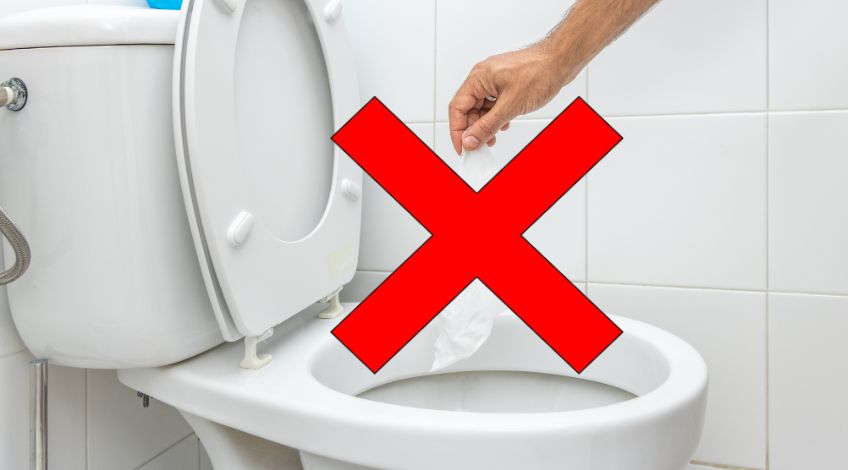
Even if the packaging says “flushable”, wet wipes are one of the worst offenders when it comes to clogged pipes in UK homes.
They don’t break down in water like toilet paper does. Instead, they clump together and mix with fat, grease and other waste in the sewer system to form massive blockages, better known as fatbergs.
UK water companies like Thames Water and Anglian Water have repeatedly warned the public that most “flushable” wipes are not actually safe for your plumbing.
The safest option? Bin them, don’t flush them even if they’re labelled eco-friendly.
2. Cotton Pads And Buds Don’t Break Down
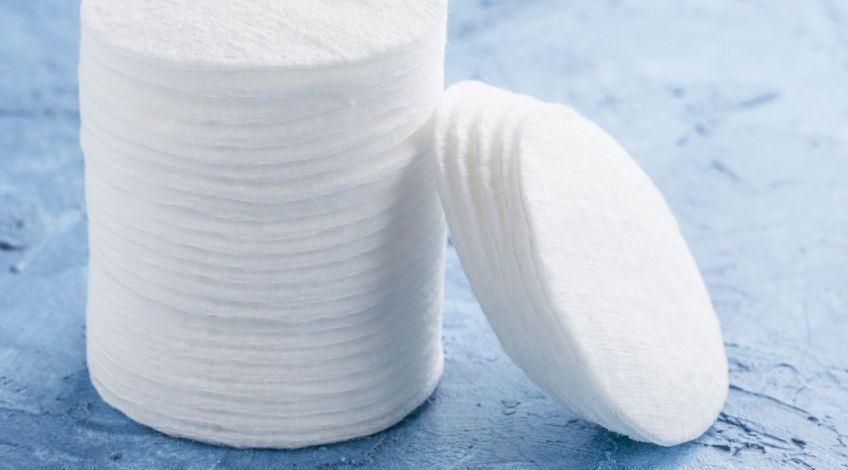
Cotton wool, makeup pads and cotton buds might seem soft and harmless, but they can cause real damage once flushed.
Cotton doesn’t dissolve like toilet tissue. Instead, it expands when wet, which can clog your pipes and damage your plumbing over time.
Cotton buds, in particular, often end up in waterways and on beaches, harming marine life and polluting the environment.
Always throw these items in the bin or switch to reusable versions where possible.
3. Hair Builds Up Like Rope In Your Pipes
It’s tempting to clear your brush or razor and flush the hair away but this is another major cause of blockages.
Hair doesn’t break down in water. Instead, it tangles and clumps together, forming rope like masses that catch onto other waste and create hard to shift clogs.
Whether it’s beard trimmings, hair from the plughole or cuttings from a trim, always bin it instead. It’s safer for your pipes and much better for your drains in the long run.
4. Grease And Cooking Oil Turn Into Fatbergs
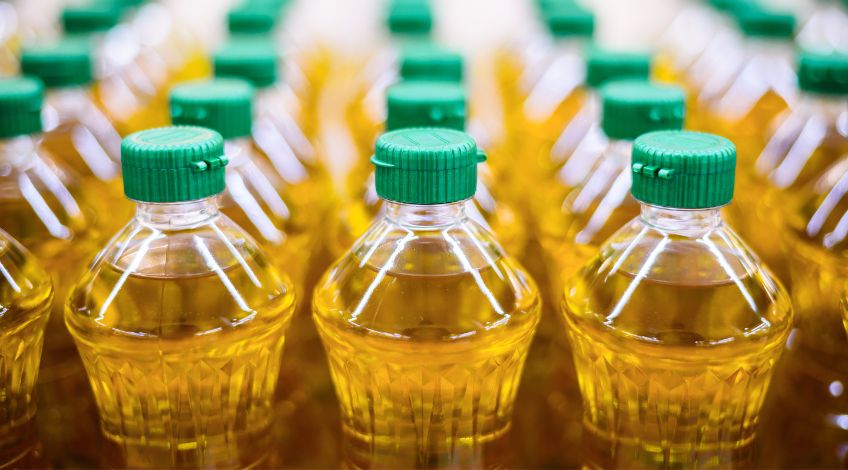
Pouring leftover oil or fat down the sink or toilet is a major no-no. As it cools, cooking fat hardens and sticks to the inside of your pipes, narrowing the passage and eventually causing blockages.
When it combines with things like wipes or food scraps, it can lead to massive fatbergs in the main sewer system.
Instead, pour cooled oil into an empty container and throw it away with your general waste. Or check if your local council offers cooking oil recycling, many now do.
5. Medication Contaminates Water Systems
Old pills or liquid medicine should never be flushed. Flushing medication doesn’t break it down. It simply enters the water system.
This can pollute rivers, harm wildlife and disrupt ecosystems.
The NHS and local pharmacies in the UK offer safe disposal for unused or expired medication. Just return your unused meds to your local pharmacy, they’ll handle the rest, no questions asked.
What Happens When You Flush The Wrong Things?
Flushing the wrong items might not cause a problem right away but over time, they build up. You could face:
- Blocked toilets and slow drains
- Costly plumbing repairs
- Bad smells around your home
- Sewer overflows into gardens or streets
- Fines if the problem spreads to public drains
And on a wider scale, flushing wrongly can contribute to environmental damage. Fatbergs, plastic pollution and water contamination are all made worse by what we put down the loo.
Simple Rules To Protect Your Pipes
The best way to avoid plumbing problems is to follow a simple habit at home.
Only flush the three things your pipes can handle: pee, poo and toilet paper. Everything else should go in the bin.
Wet wipes, cotton pads, dental floss and sanitary products may seem small, but they don’t break down like loo roll and can build up in your pipes over time.
For extra protection, use sink strainers to catch hair and food bits before they go down the plughole.
These small changes can save you from costly repairs and help keep the UK’s sewer systems flowing properly.
Let Others Know About These Common Flushing Mistakes!
These tips are a must-read for anyone who wants to avoid blocked pipes, costly repairs and environmental damage. Share on social media to help others learn what should never go down the loo.
SEE ALSO: If your toilet starts to whistle, you need to do this immediately
Also, follow us on Pinterest ...